SHINING A LIGHT ON THE PRACTICAL ASPECTS OF LIGTING DESIGN

From practice to theory: Tobias Link appointed lecturer for Interior Works/Light at Trier University of Applied Sciences

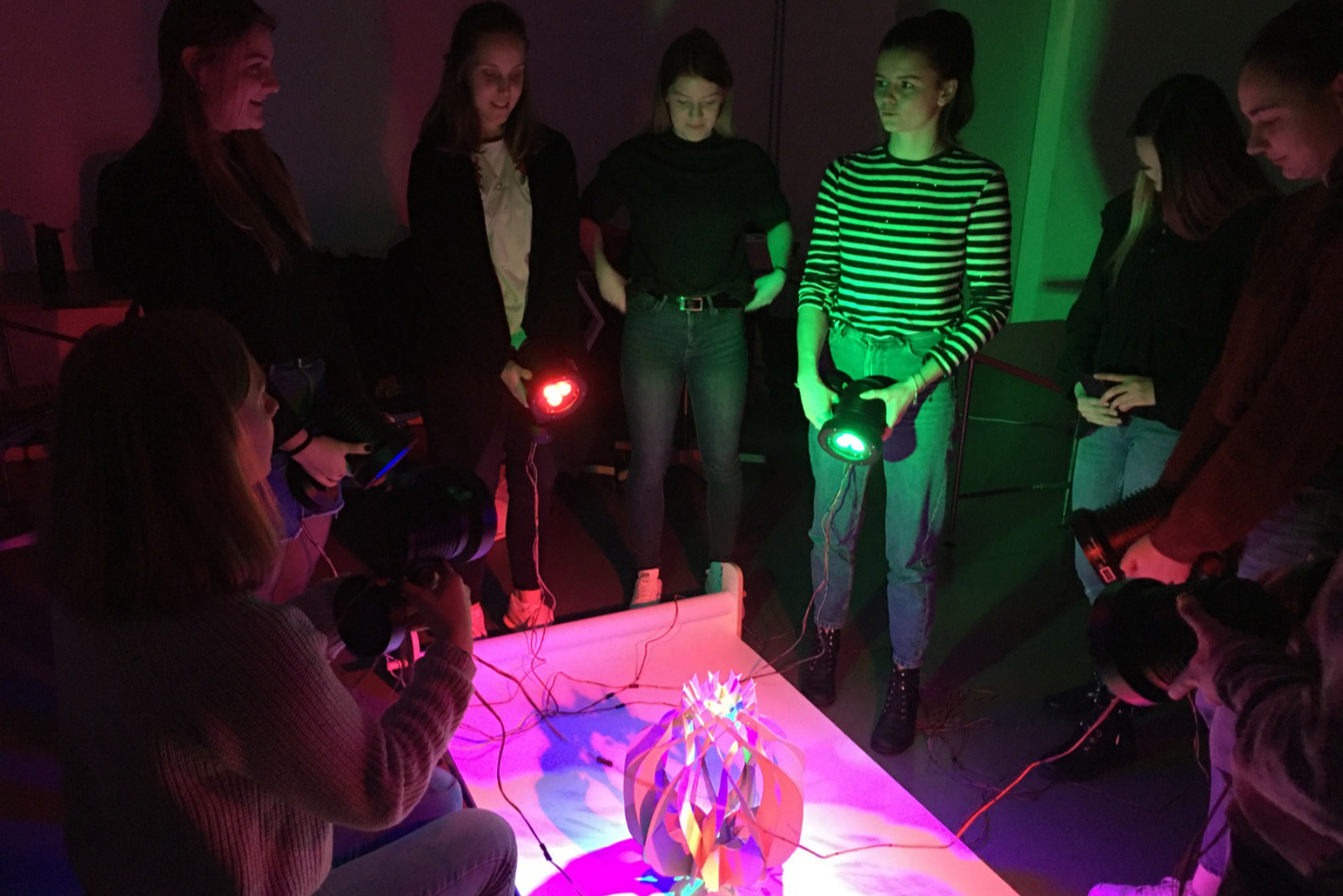
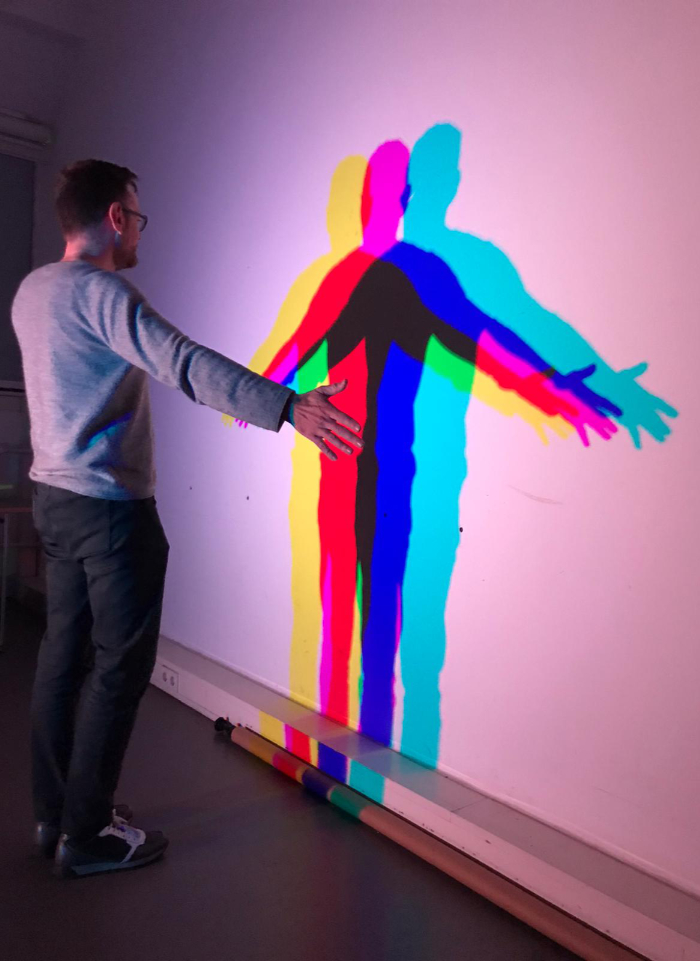
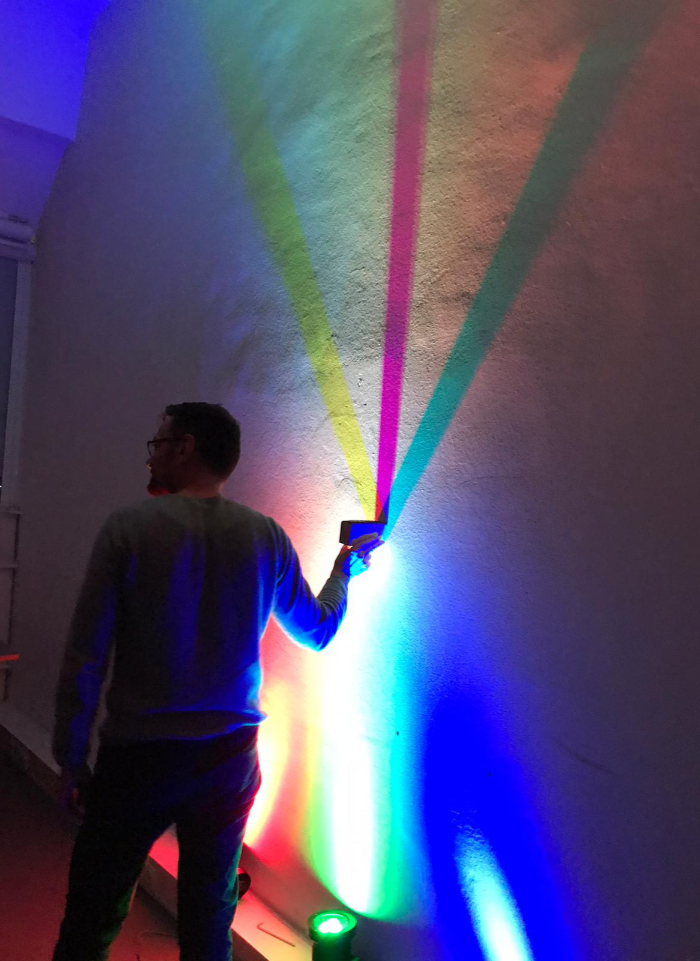
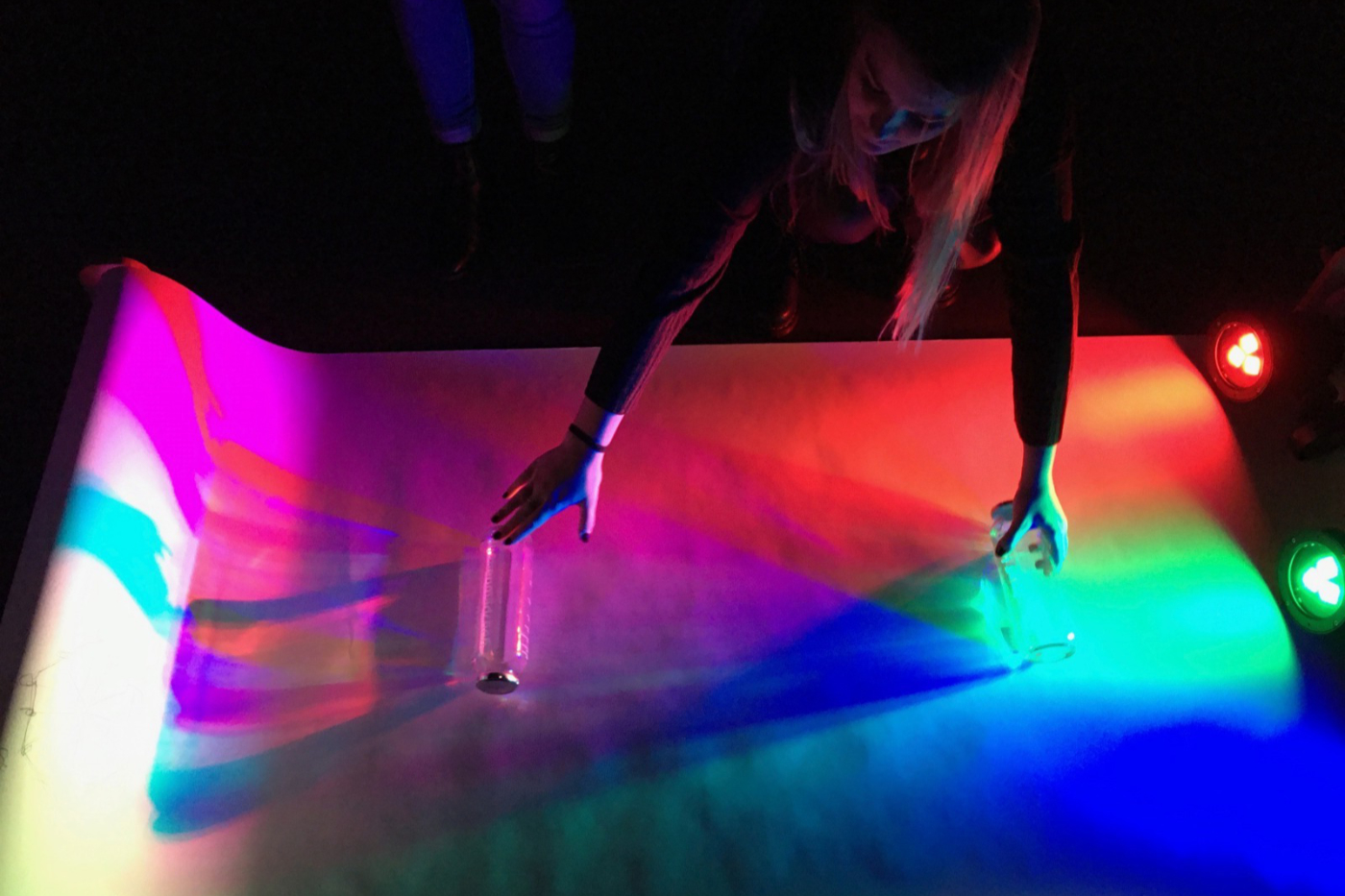
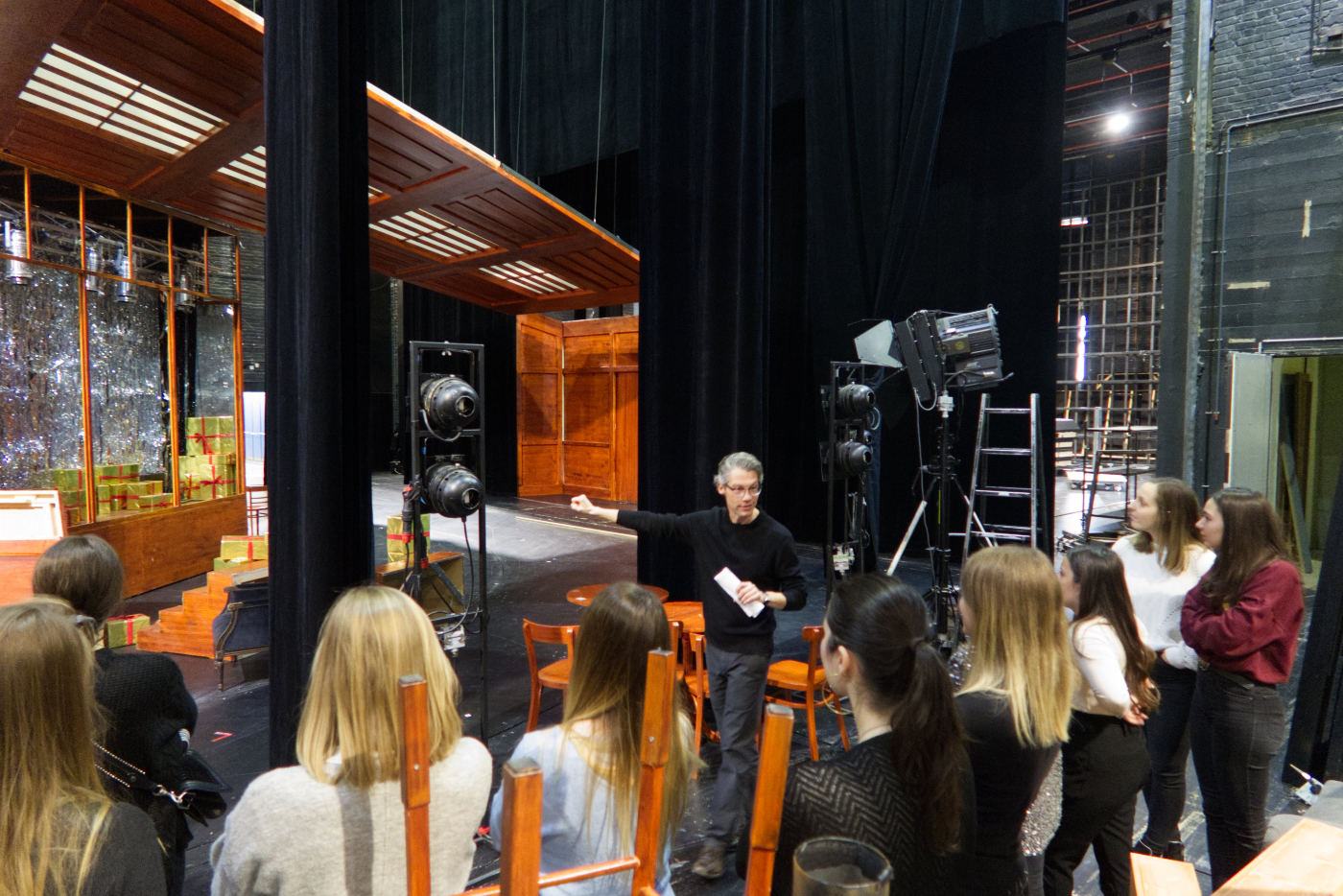
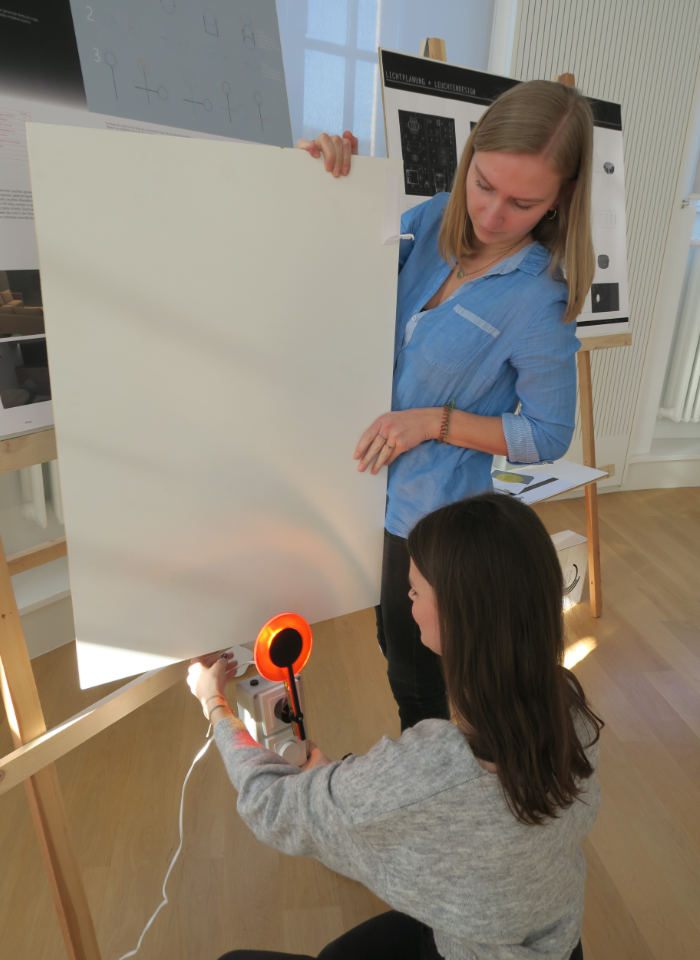
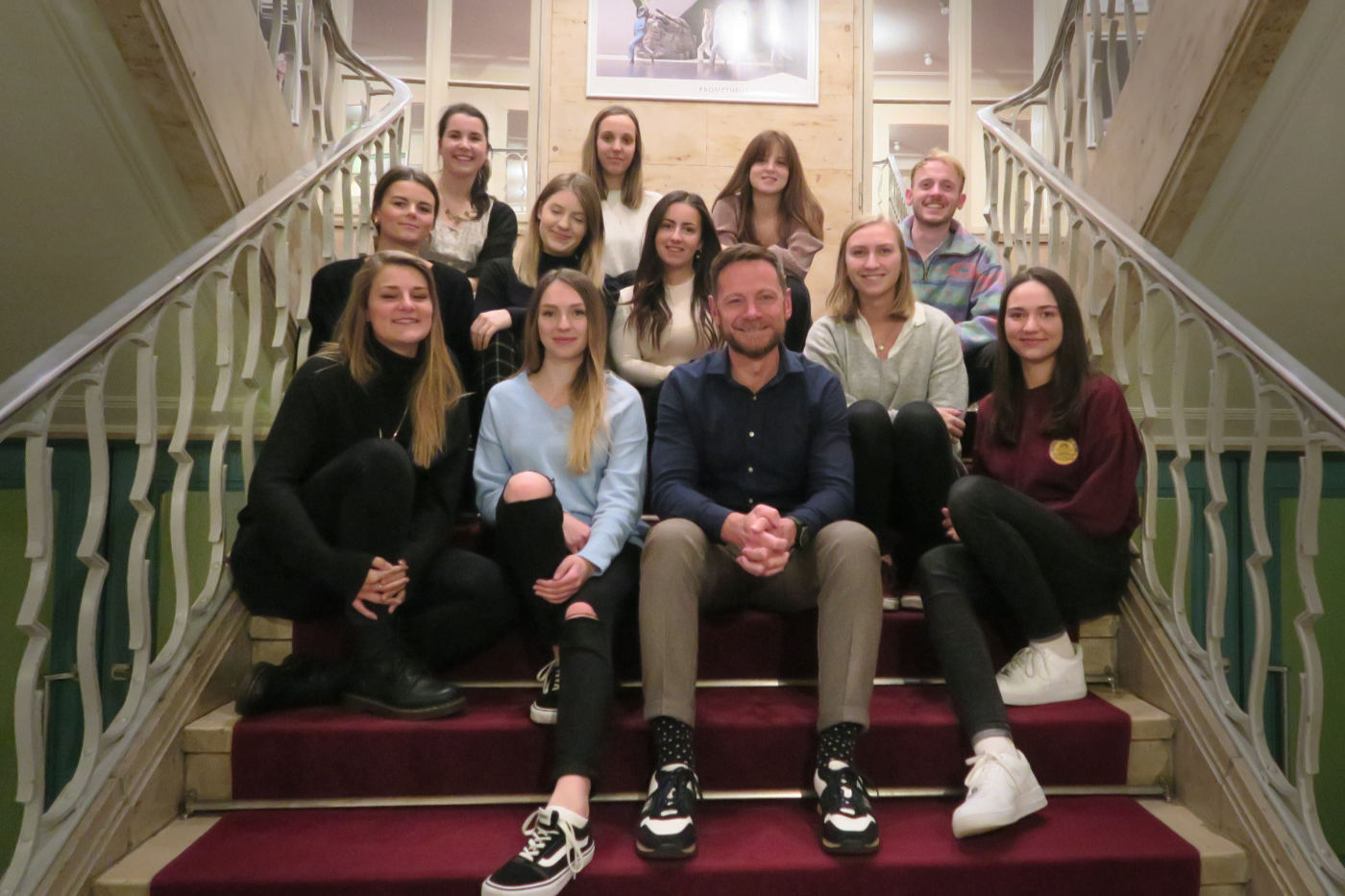
In the 2019/2020 winter semester, Tobias Link taught fifth-semester students at the faculty of interior design at the Trier University of Applied Sciences Design Campus. Along with learning the theory, students were able to experience the medium of light first-hand during field trips and workshops.

TEACHING THEORY USING ACTUAL PRACTICE

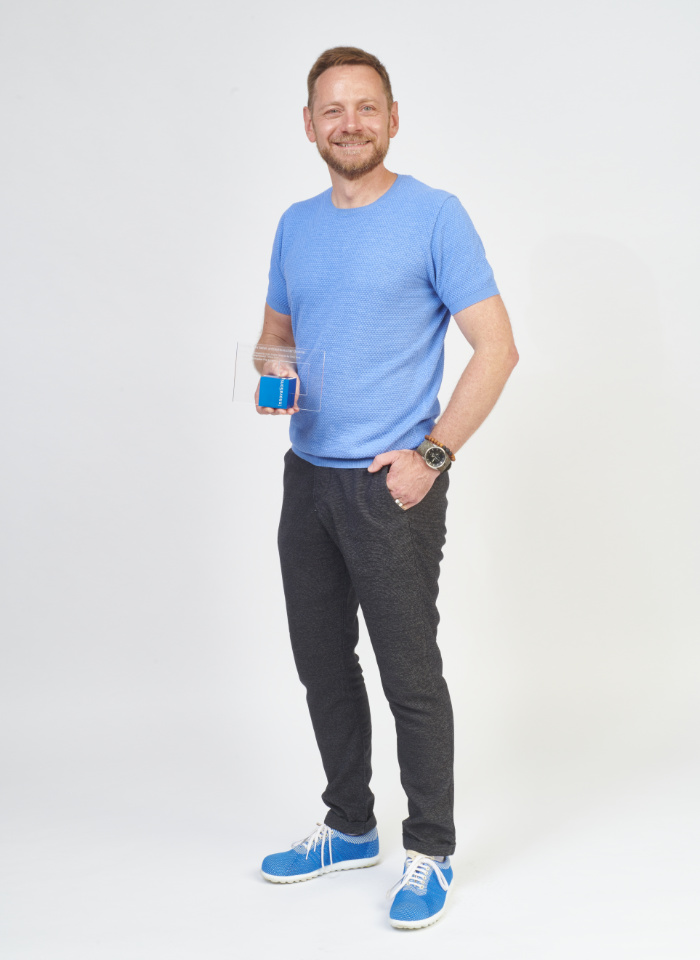
In 1991, Tobias Link founded Lighting Design Studio Tobias Link together with Oliver Link. He has accumulated expertise from the many years he has spent working as a lighting specifier, luminaire designer and developer of control systems. As a lecturer he wanted to get across to students in a tangible way how light works and how it influences people. His message: if you know what good lighting is, then you can also put it into effect in a project for the client so that it functions successfully and is aesthetically appealing.

EXPERIENCING LIGHT IN ACTION ON FIELD TRIPS

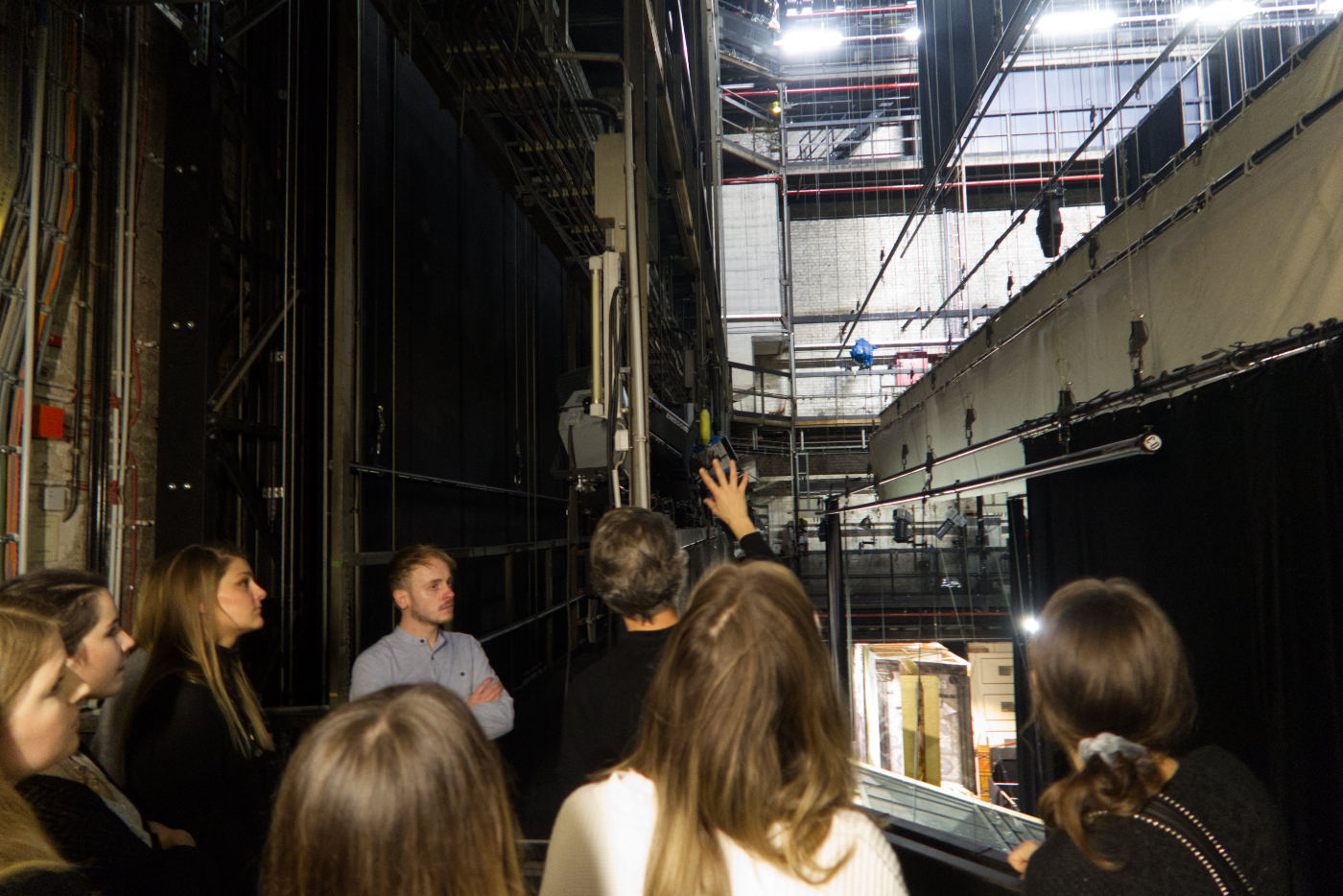
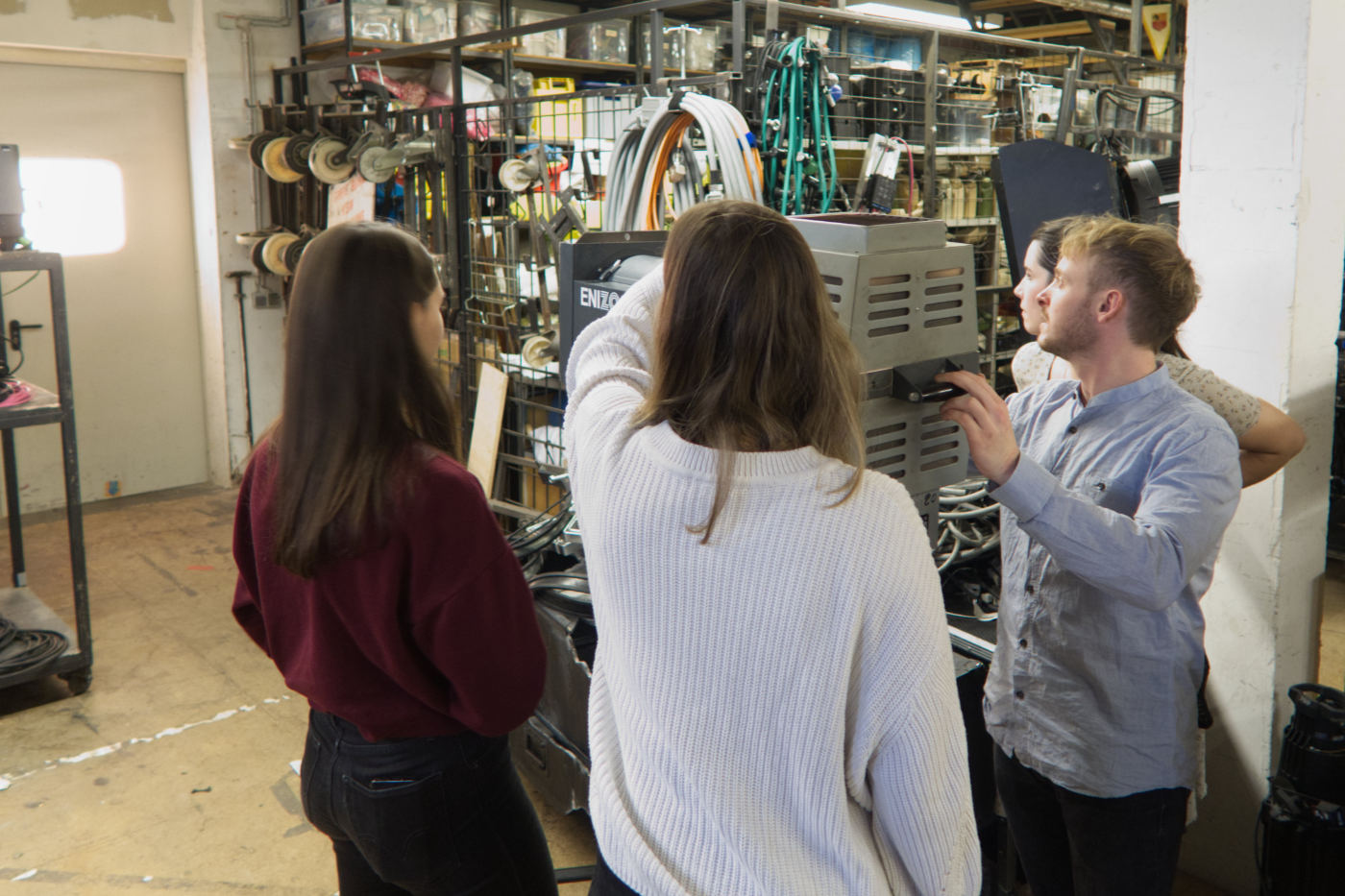
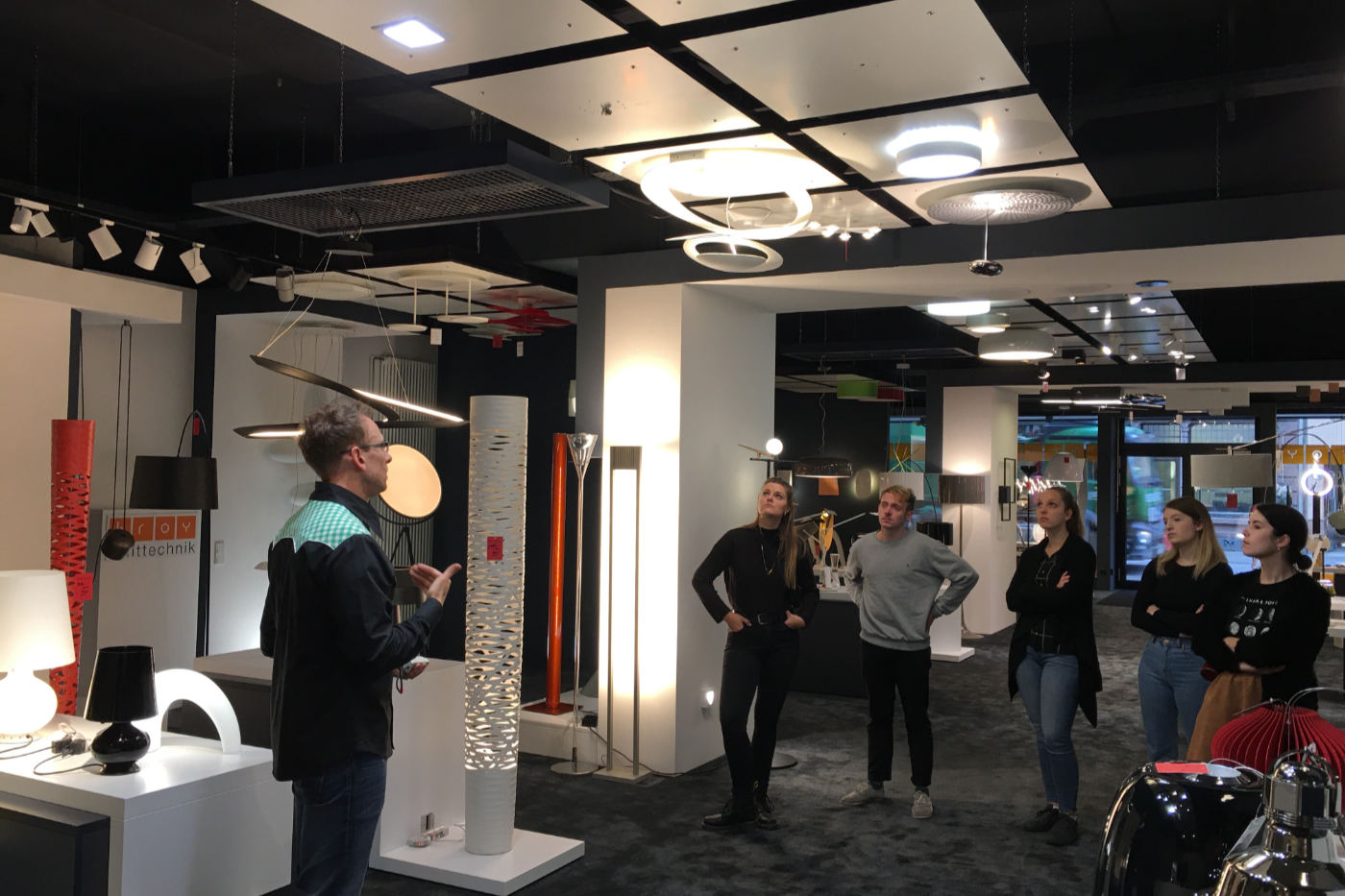
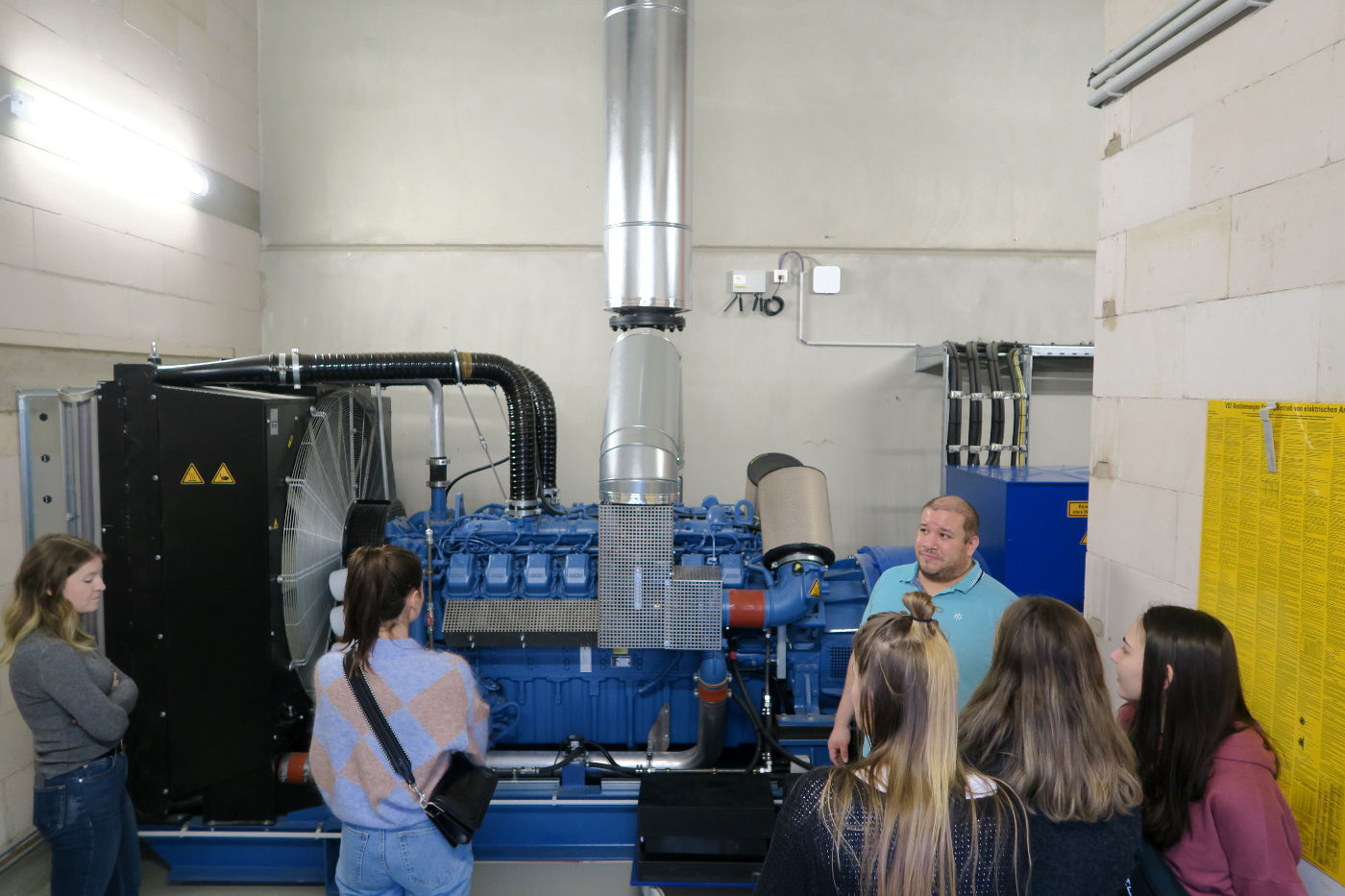
Tobias Link shared his profound knowledge of the subject by way of experiments and workshops. His curriculum for the short semester also included three field trips. At Broy Lichttechnik in Trier, students had an opportunity to slip into the role of the specifier and find out about contemporary lighting design and the current standards of technology. The visit to the Saarland State Theatre in Saarbrucken took in the artistic aspects, of how to use light to create mood and which illuminants to use for this. The visit to Möbel Martin in Saarbrucken provided students with greater appreciation for a large-scale project realised by Lichtplanungsbüro Tobias Link, where a biodynamic lighting concept was implemented in accordance with the Human Centric Lighting (HCL) principle. Here, the topic explored was that of lighting controls and directing light within various ceiling systems.

LIGHT – LUMINAIRE - PLANNING: WHEN IDEAS TAKE CONCRETE FORM

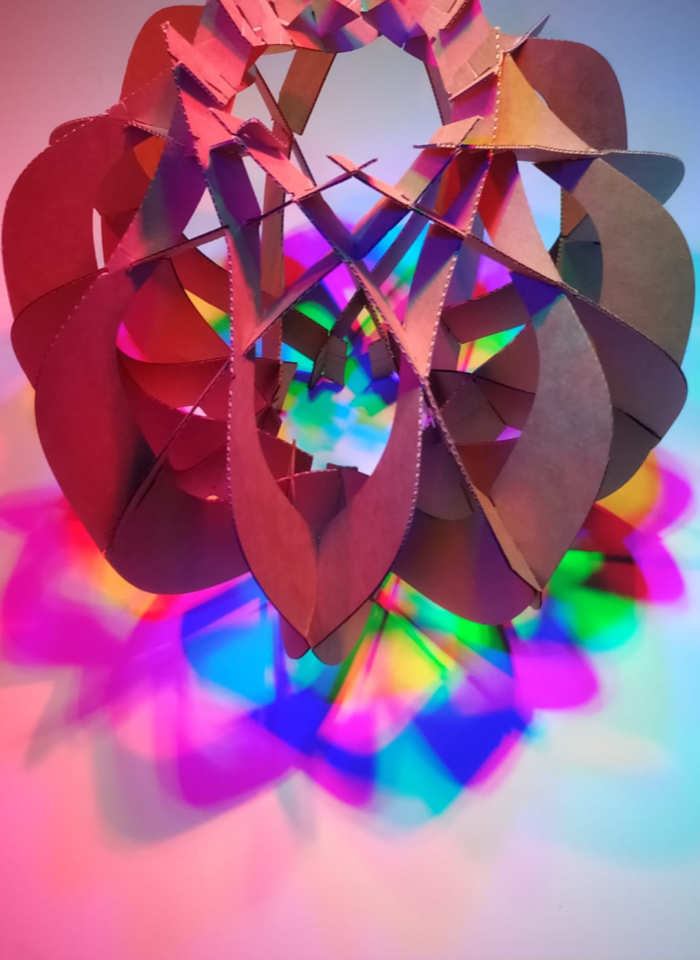
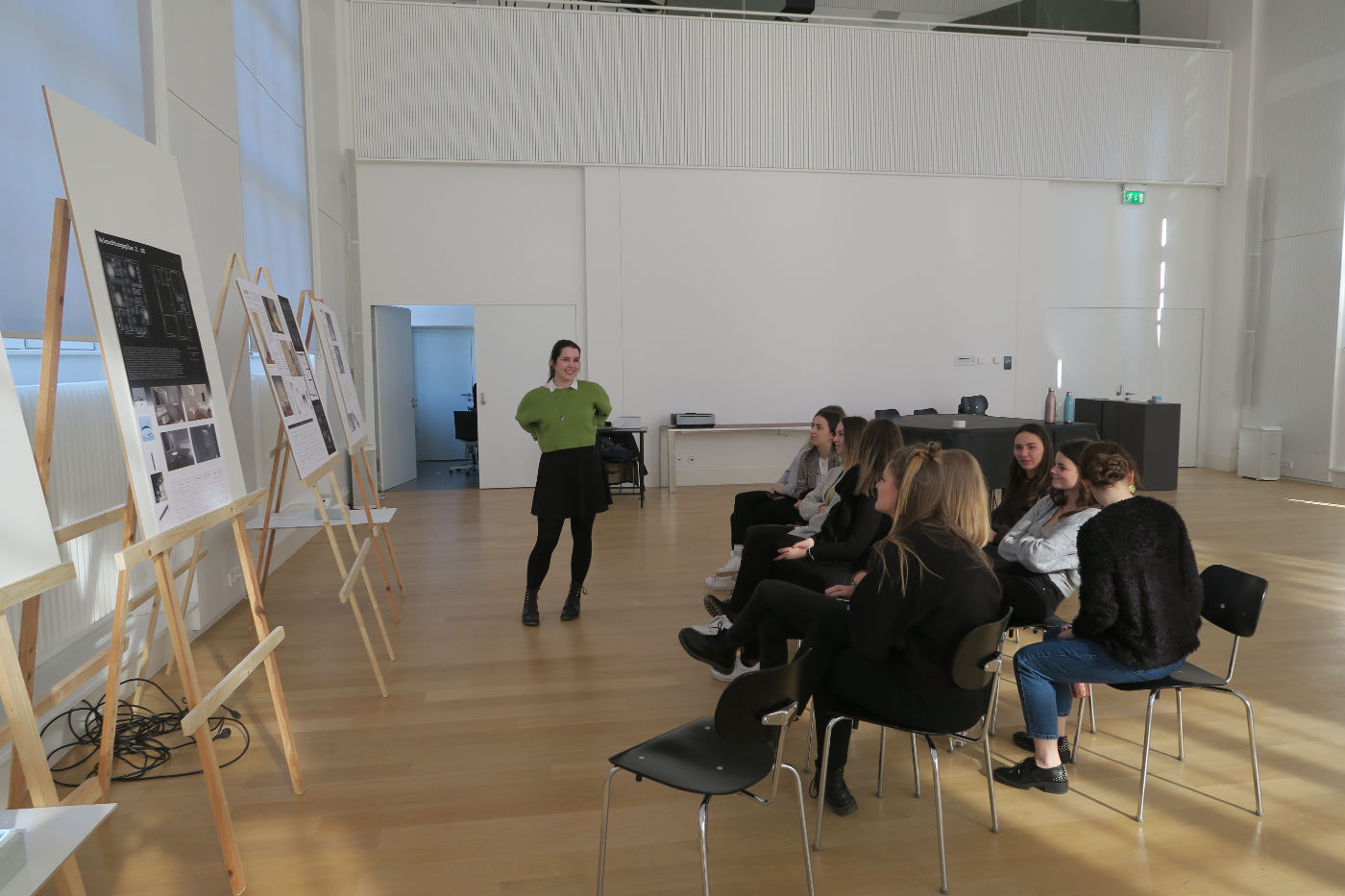
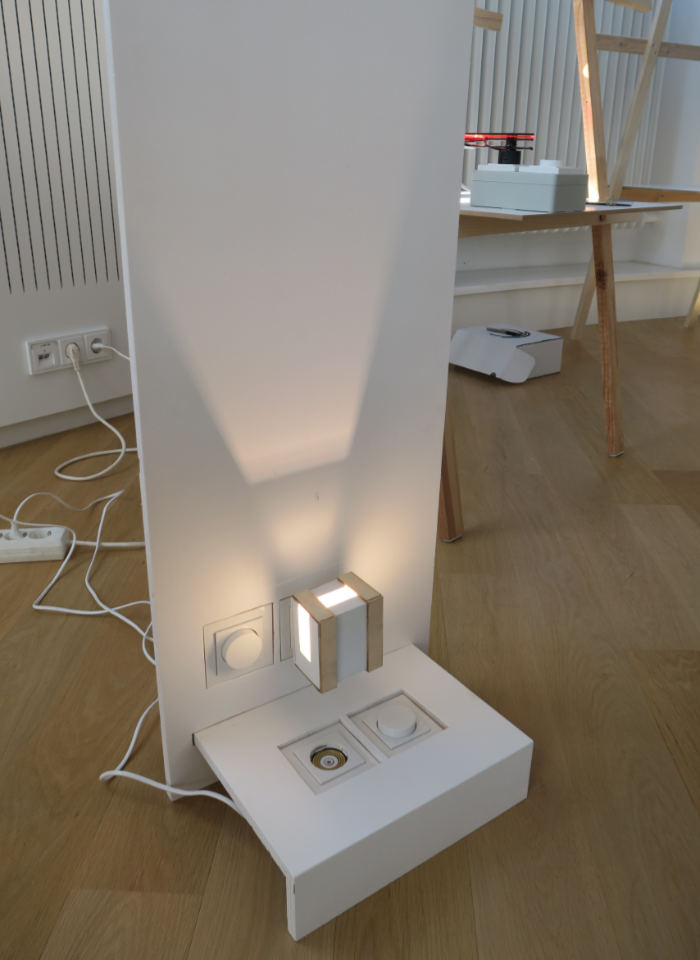
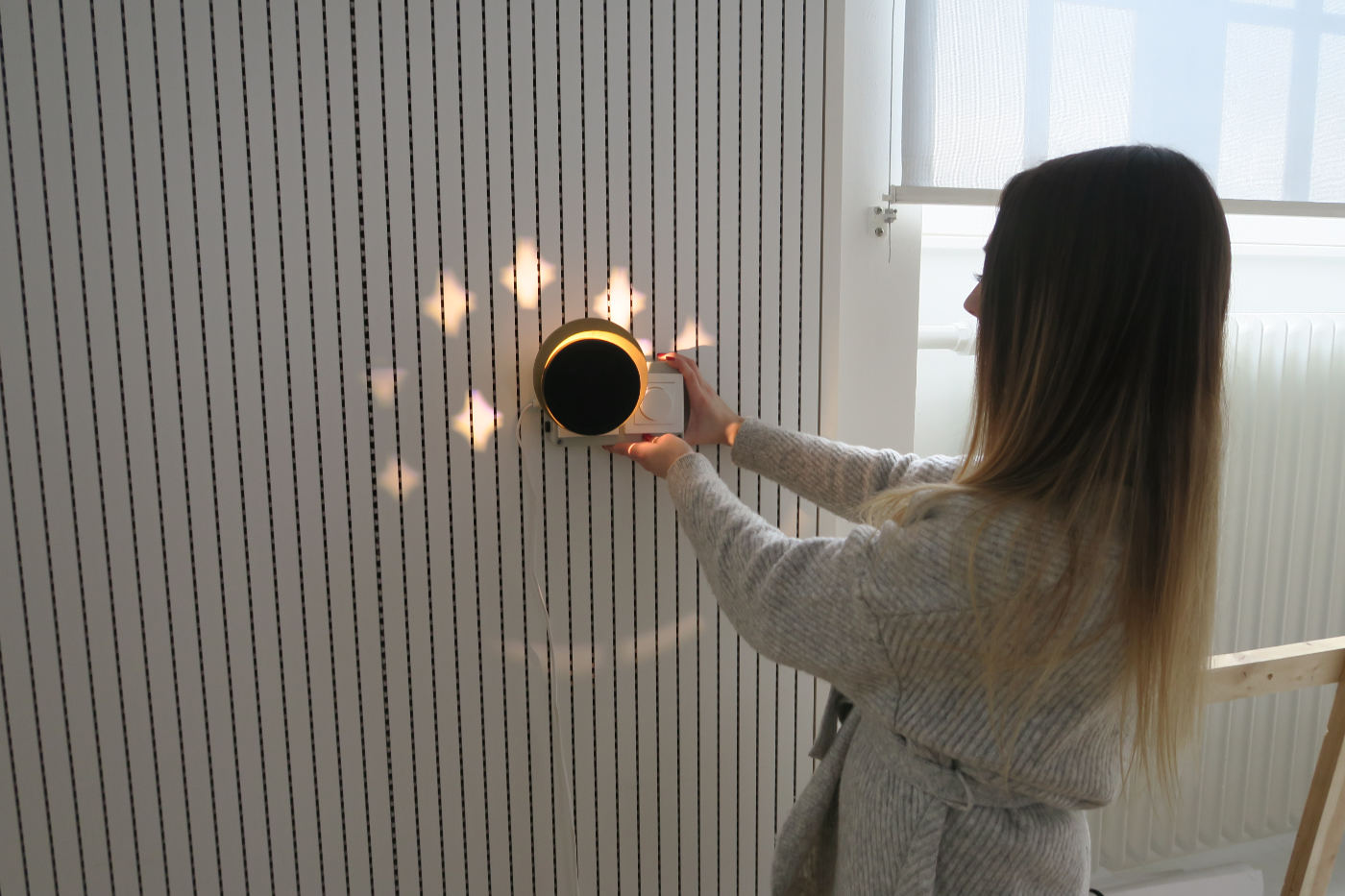
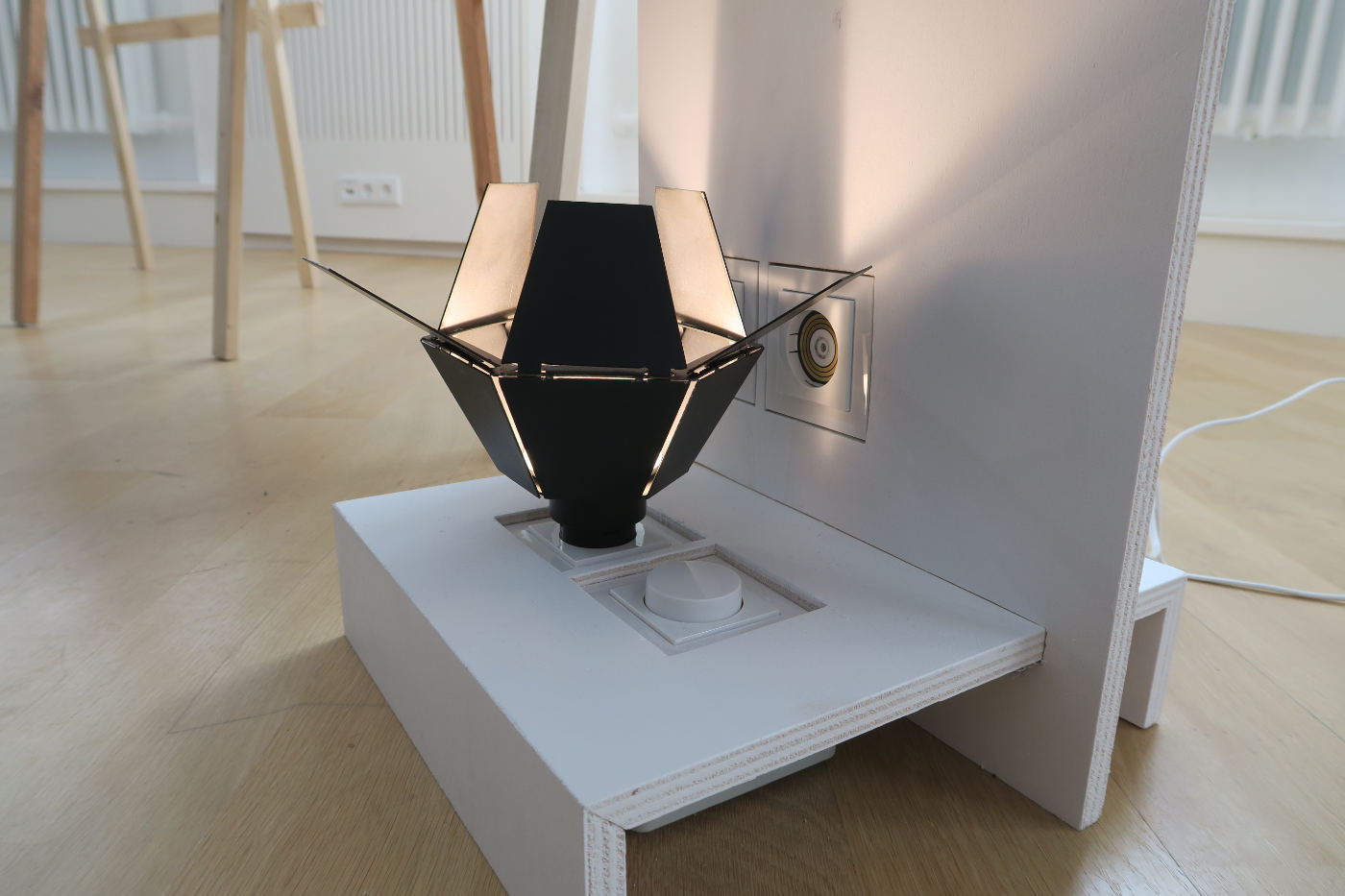
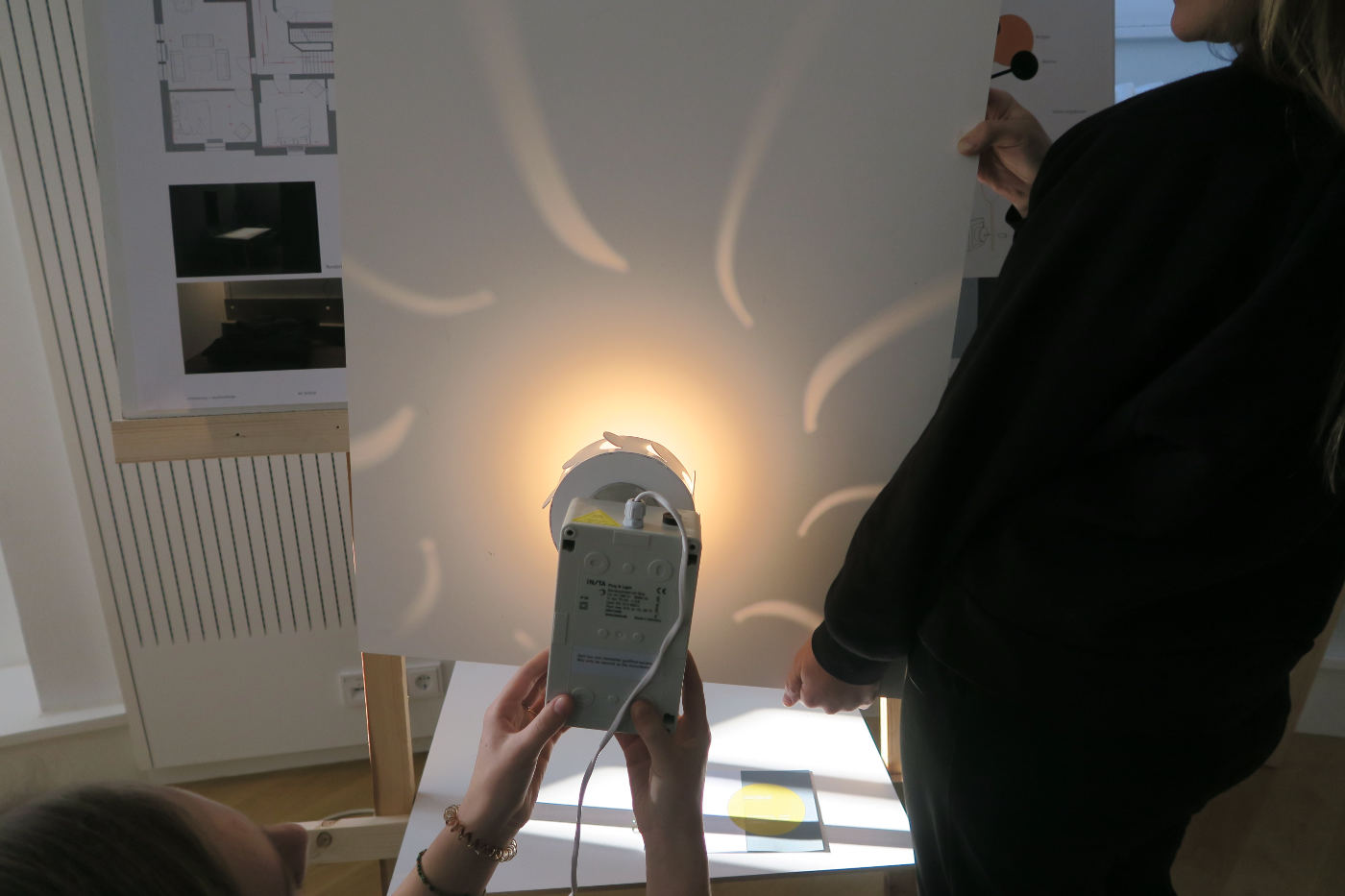
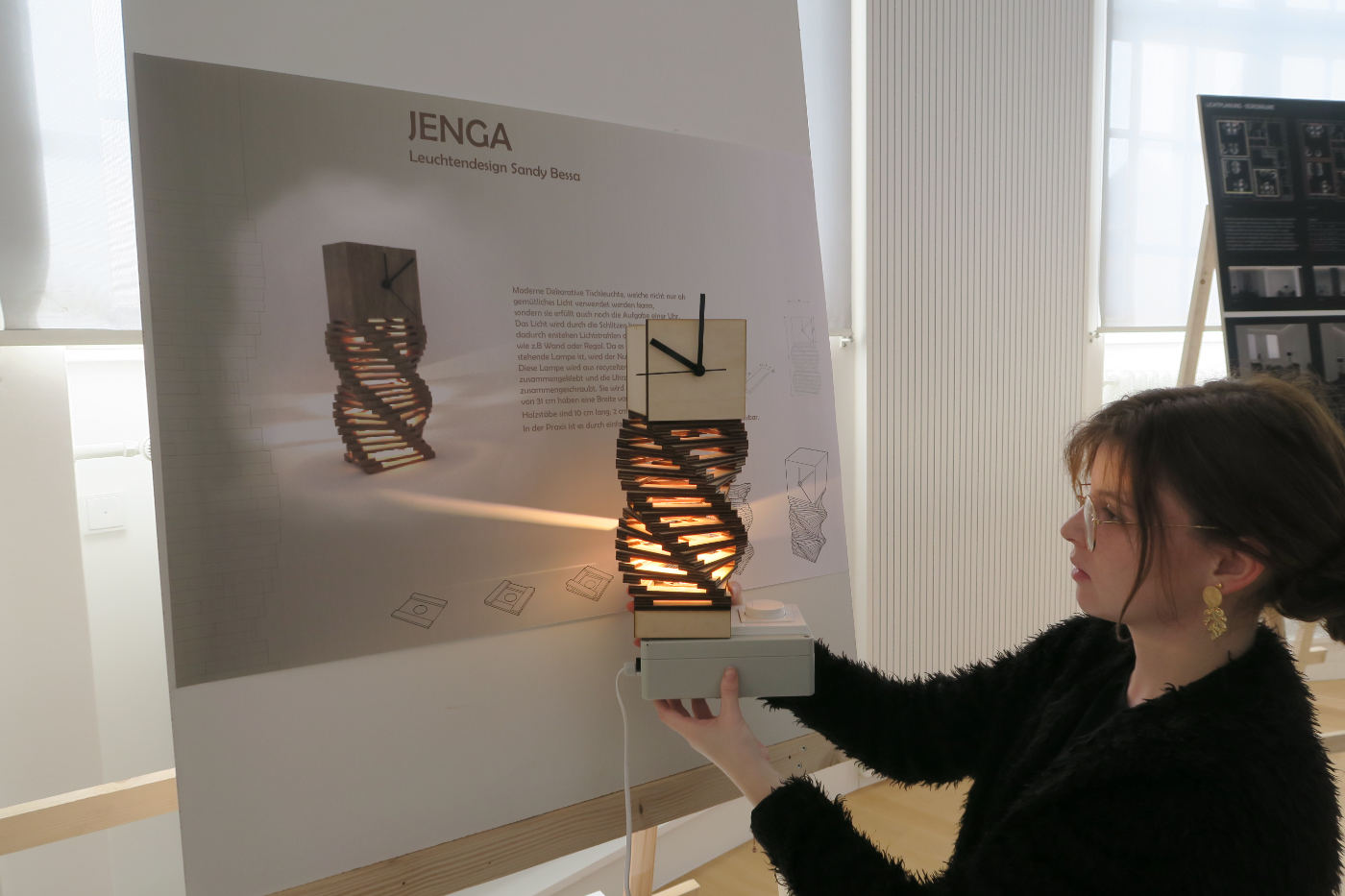
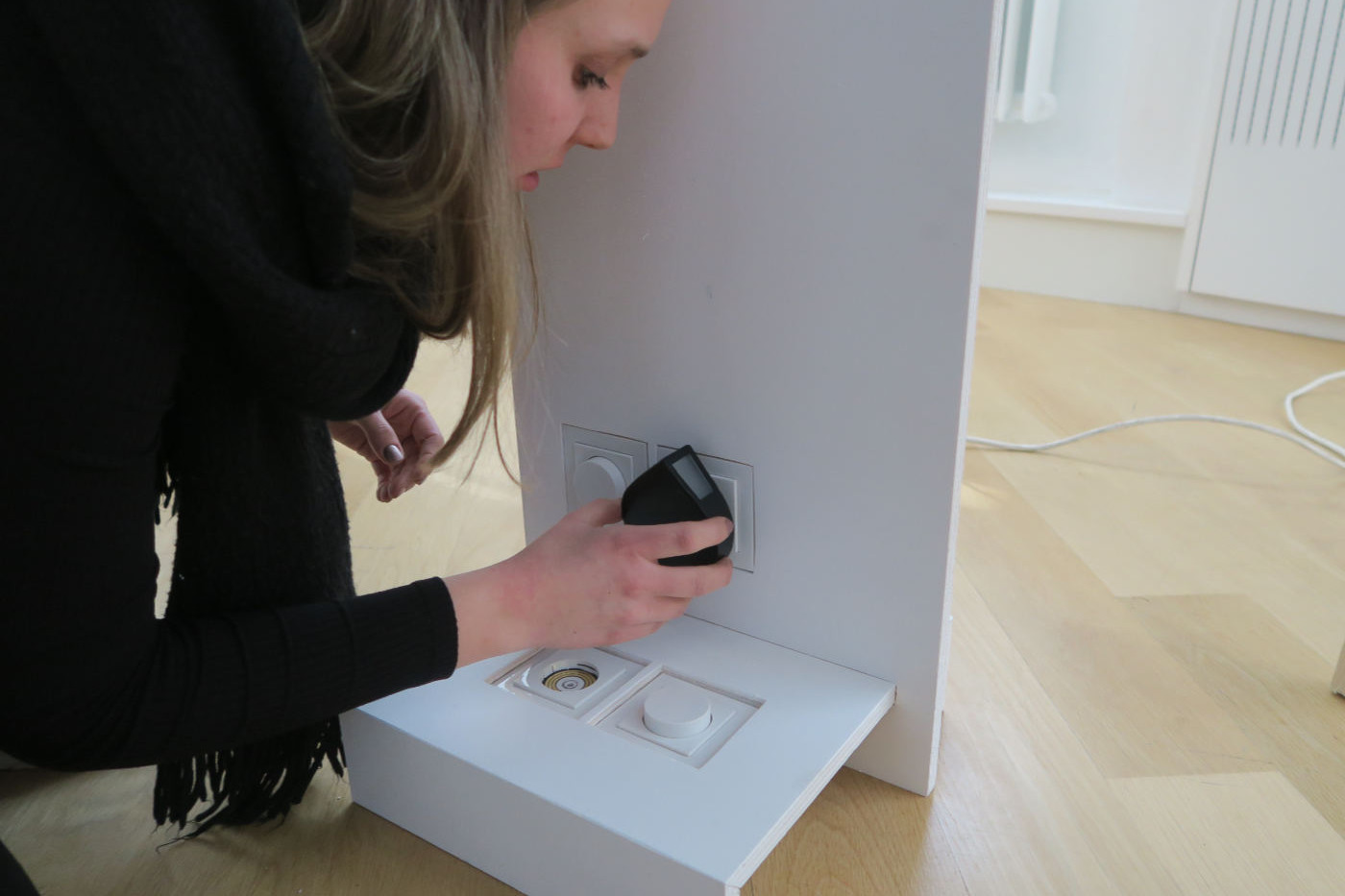
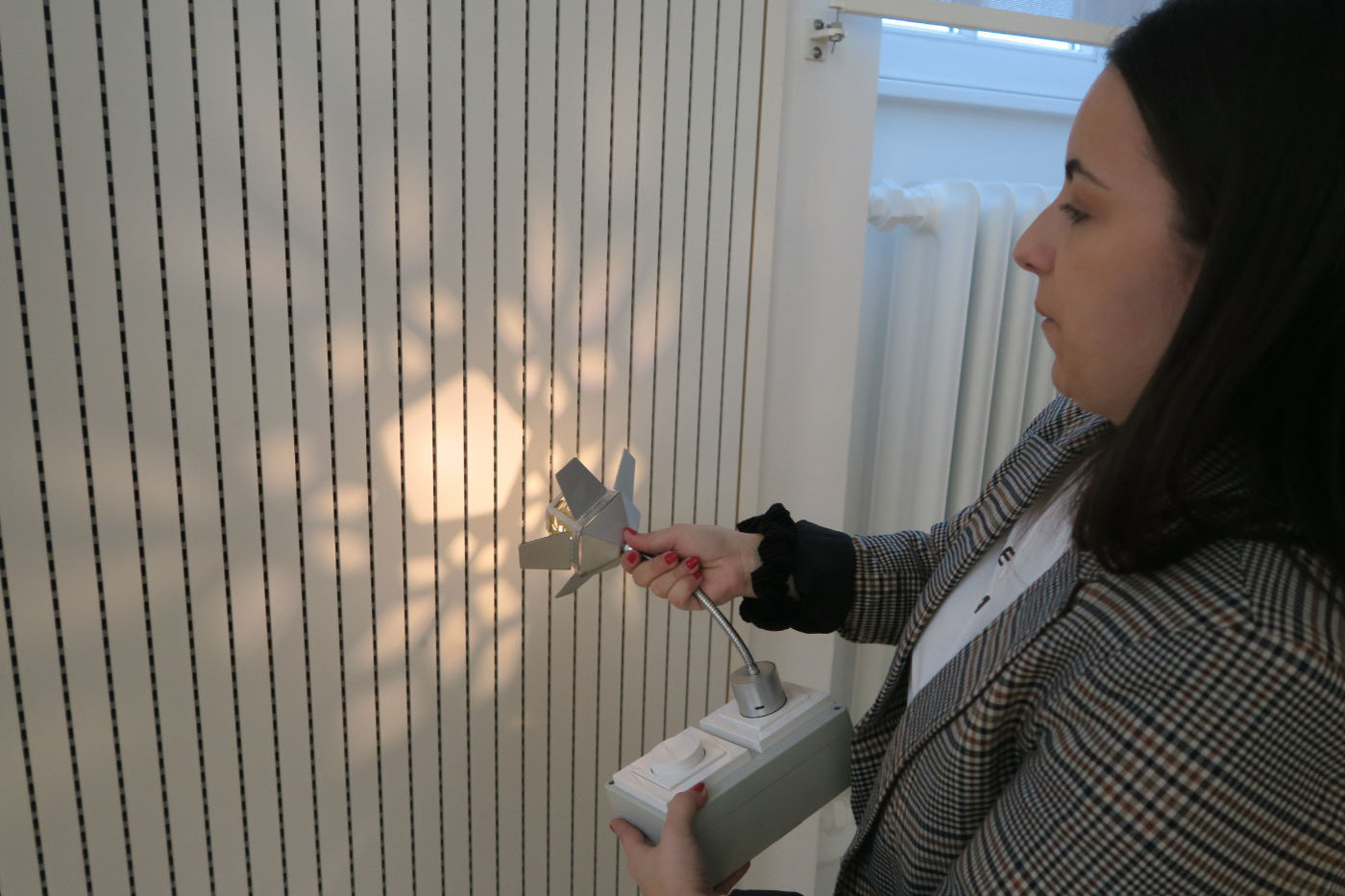
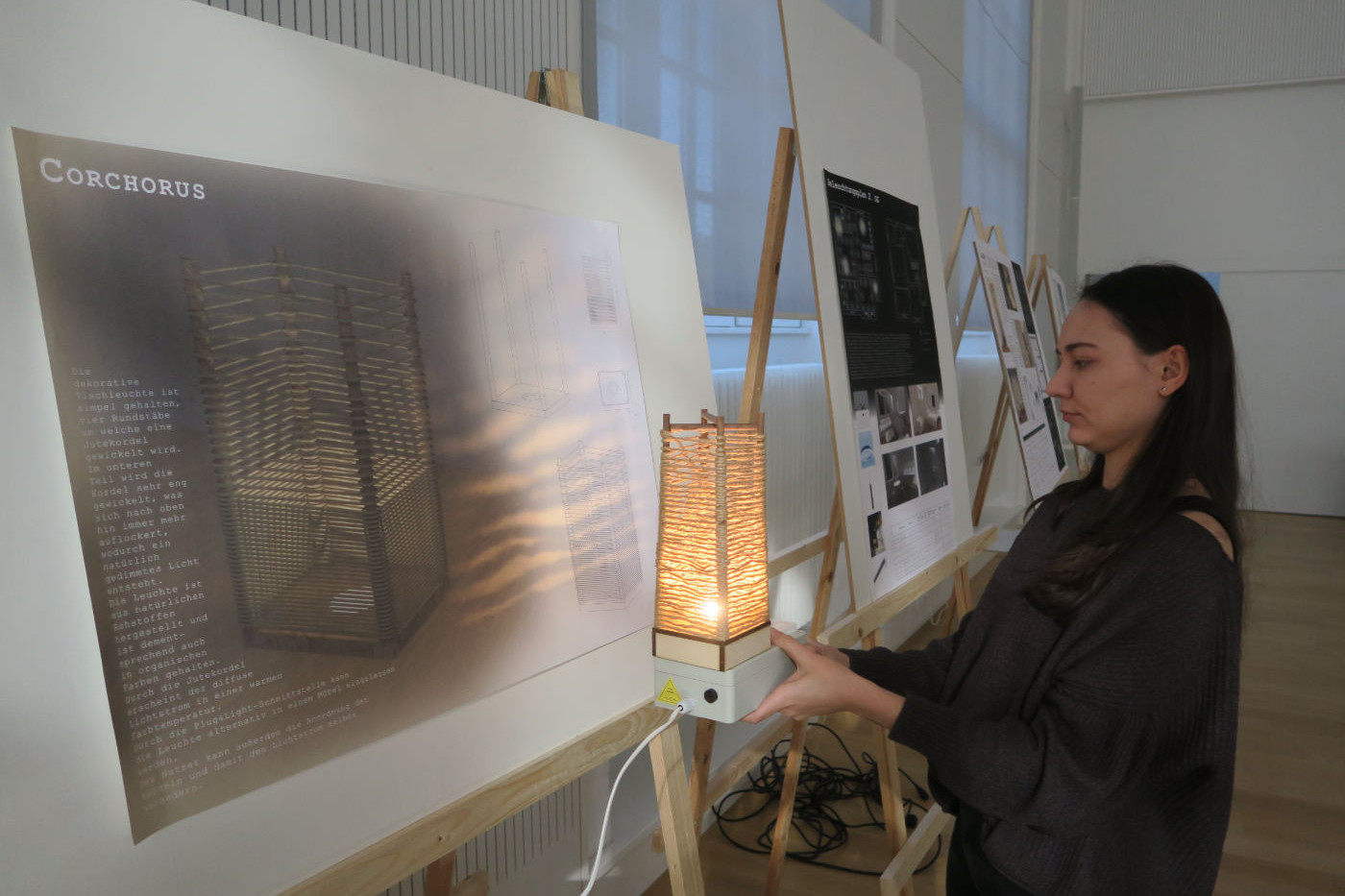
These intensive practical aspects constituted an entirely new approach for students and met with an extremely positive response. Students’ final papers proved that they had no difficulty in putting what they had learned into practice. The ten prospective interior designers had to design a luminaire and also draw up a lighting concept for a floor plan for a living and working space. Designing a luminaire involved developing a light attachment for the Plug & Light socket from Insta Lighting, who provided the modules. Students used the university’s own workshops to build their prototypes. At the end of the semester, they presented their work in the form of drawings, 3D models and storyboards. Students will be submitting their luminaire designs as part of the “LUXI - Der Licht-Preis” design competition run by the Licht journal in 2020.

Students’ reactions: “We’ve learned an incredible amount; that’s something we realise whenever we talk to students who are farther on in their courses. “We learned so much in the course, we’ve never explored subjects in such depth. Before this, we’d never had anything to do with Light Distribution Curves, for example.“

Tobias Link’s reaction: “I’m delighted that after just one semester they have all gained an understanding of the subject area. They are familiar with the terminology and they’re well informed about LED technology. That’s huge progress.”

Many thanks to iGuzzini and Insta Lighting for their friendly support!
THE PARK AS A DESIGNED STAGE

The lighting for the Merzig city park focuses on the subtle interplay of light and shadow

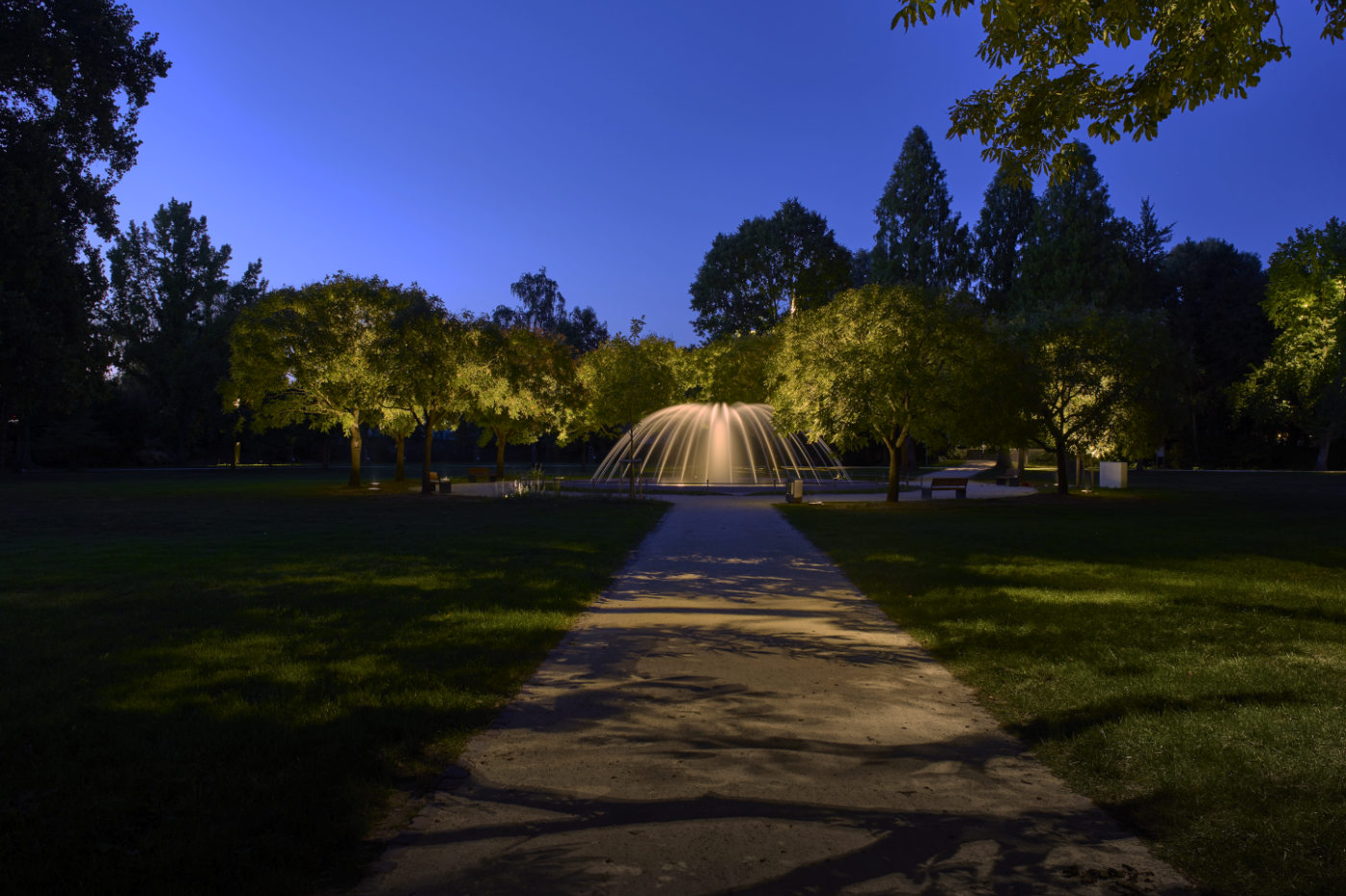
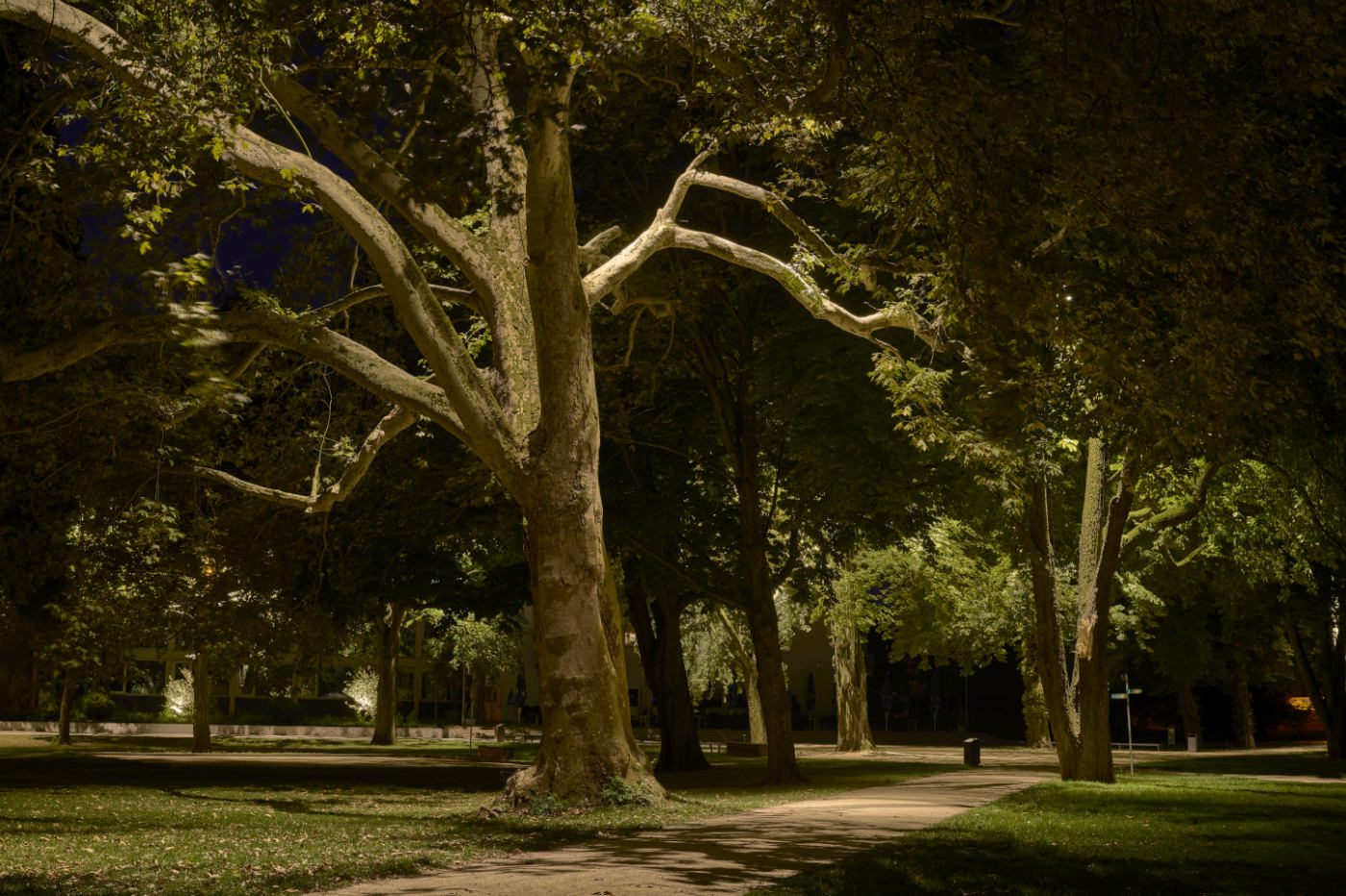
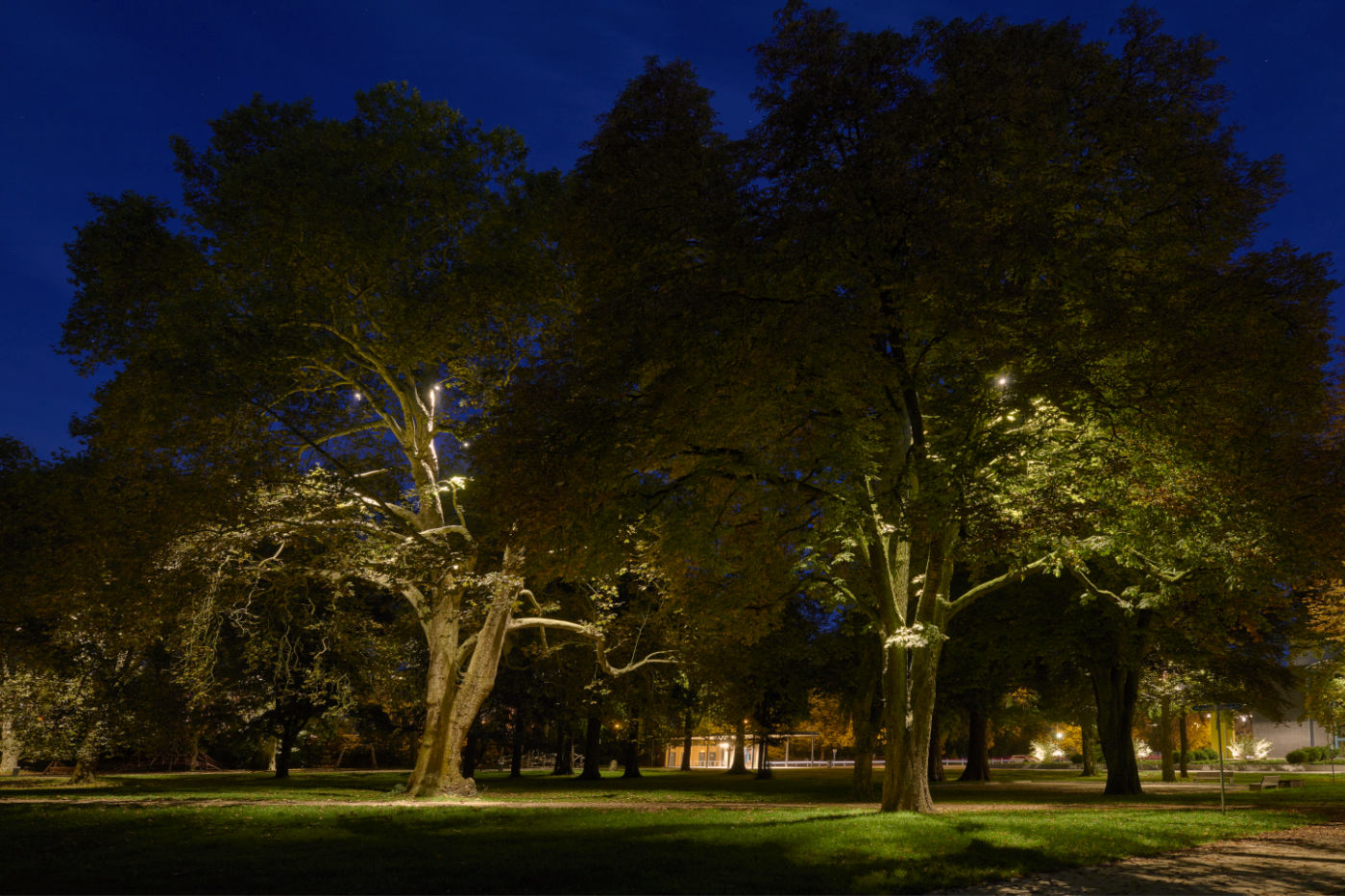
As part of the redevelopment of the city park in Merzig, Saarland, a new lighting concept has been realised that allows the wide variety of trees and plants to be experienced even in the dark.

GREEN OASIS

Merzig municipal park is used by residents and visitors to the town as a place for relaxation and recreation. Its location is central for the town centre, the civic hall and the river Saar. The park is characterised by a wide range of mature trees, some of which are decades old. In order to make this green space more attractive, the town planners commissioned a facelift of the park. The lighting concept plays a key role in this.

LUXURIANT VEGETATION

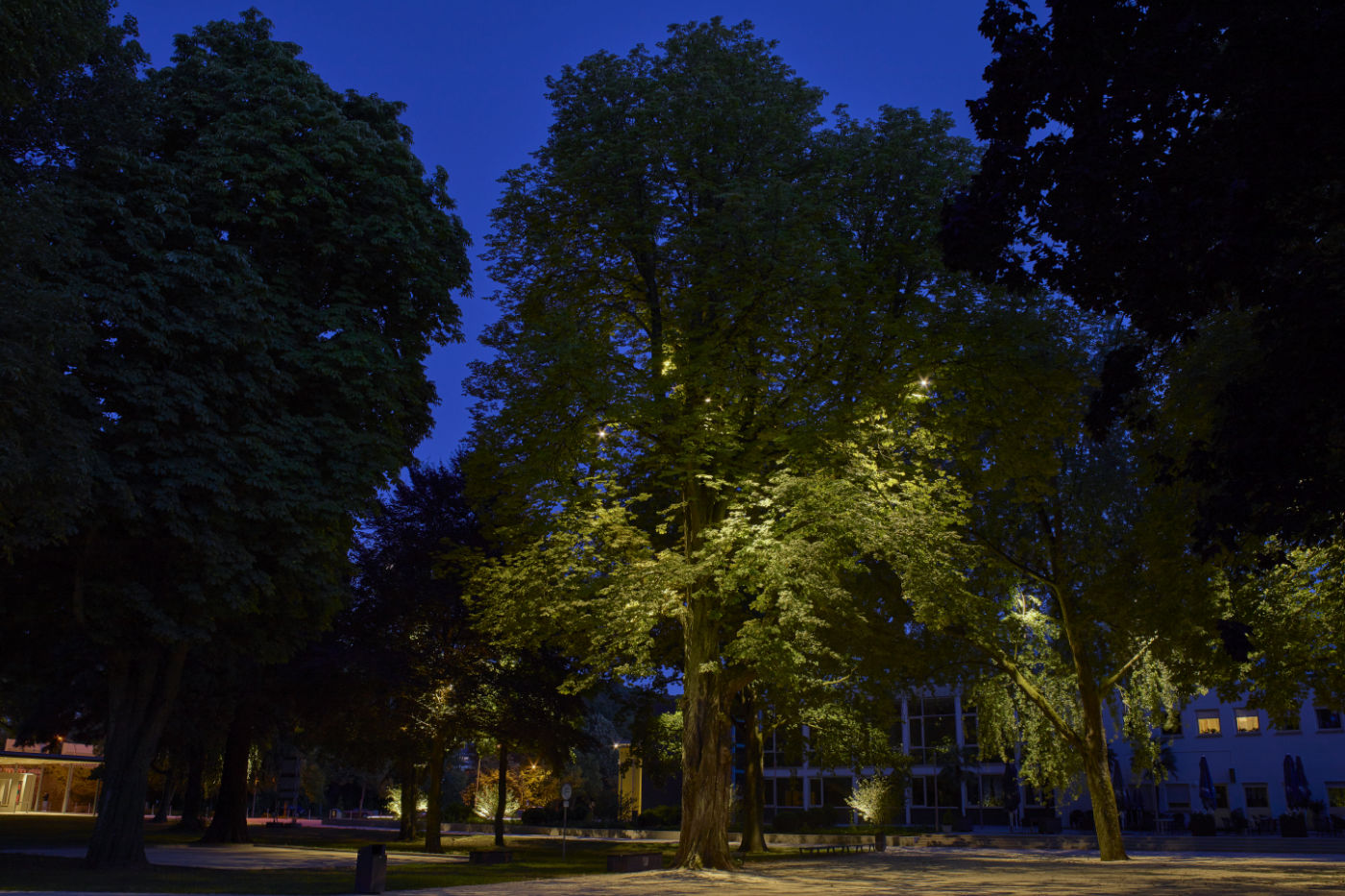
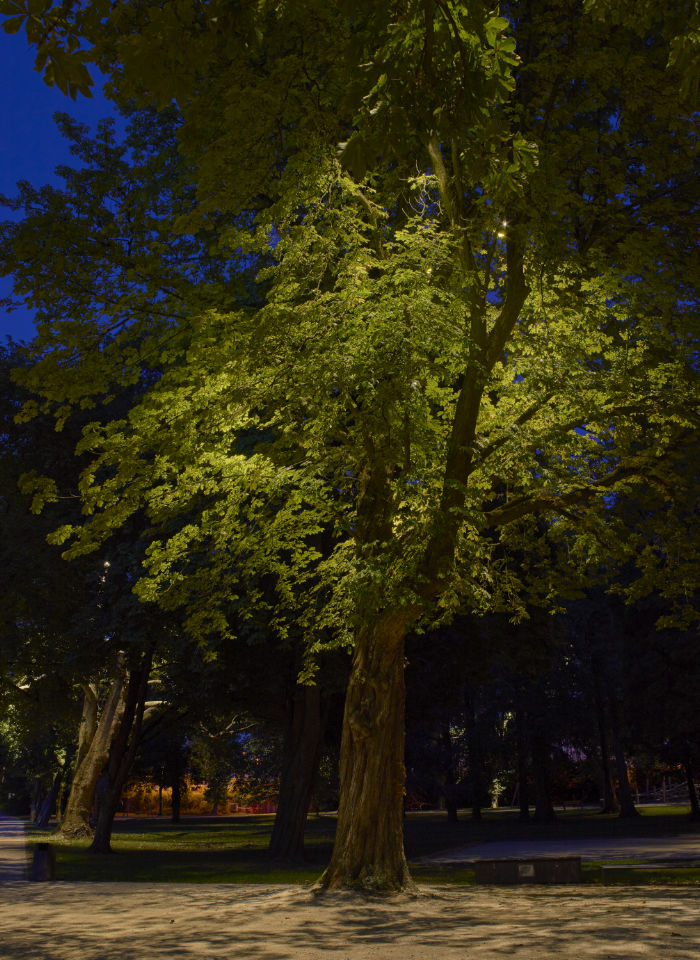
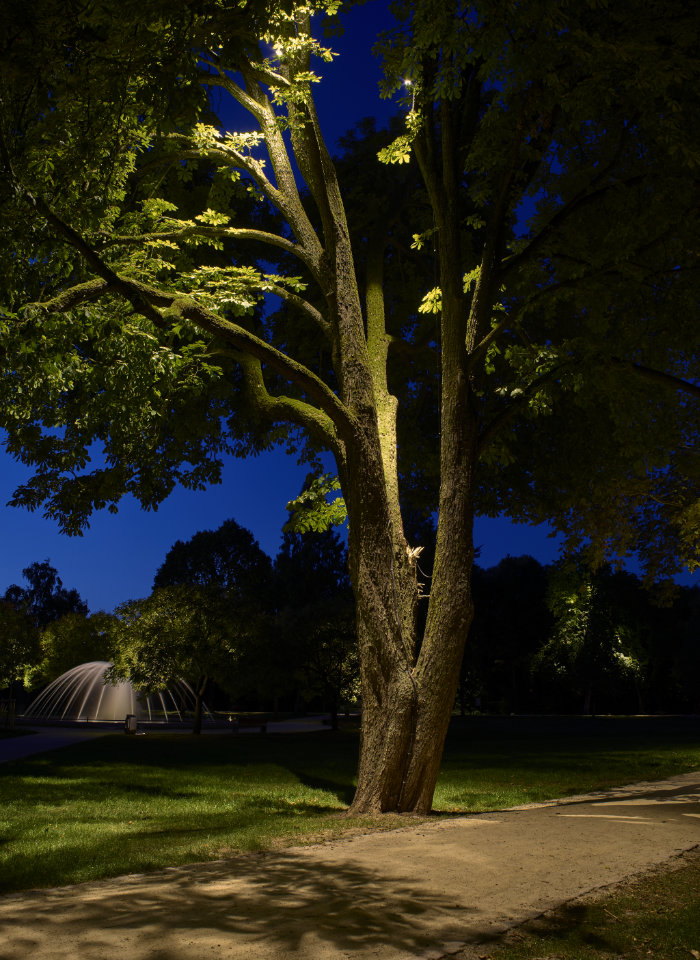
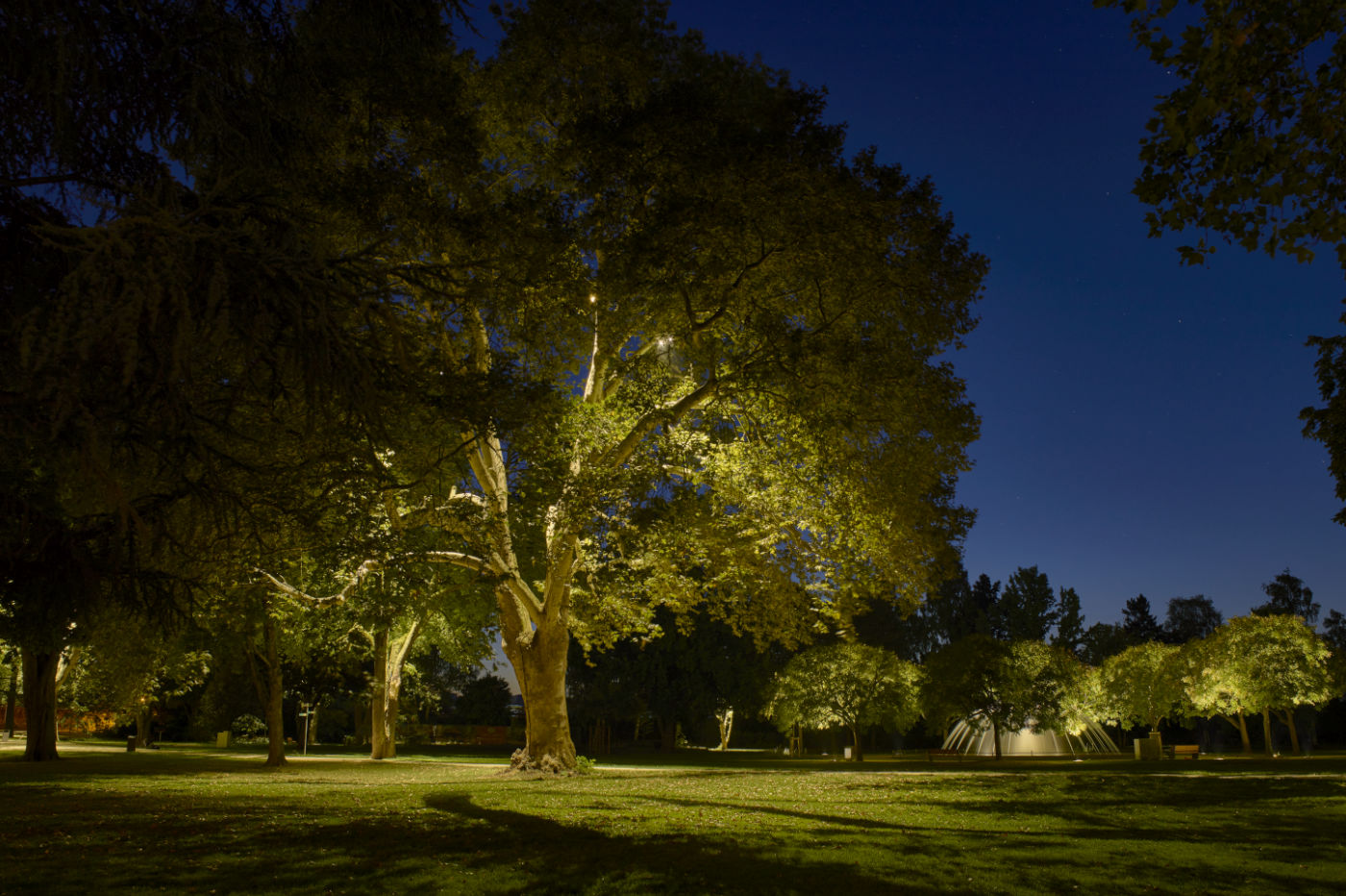
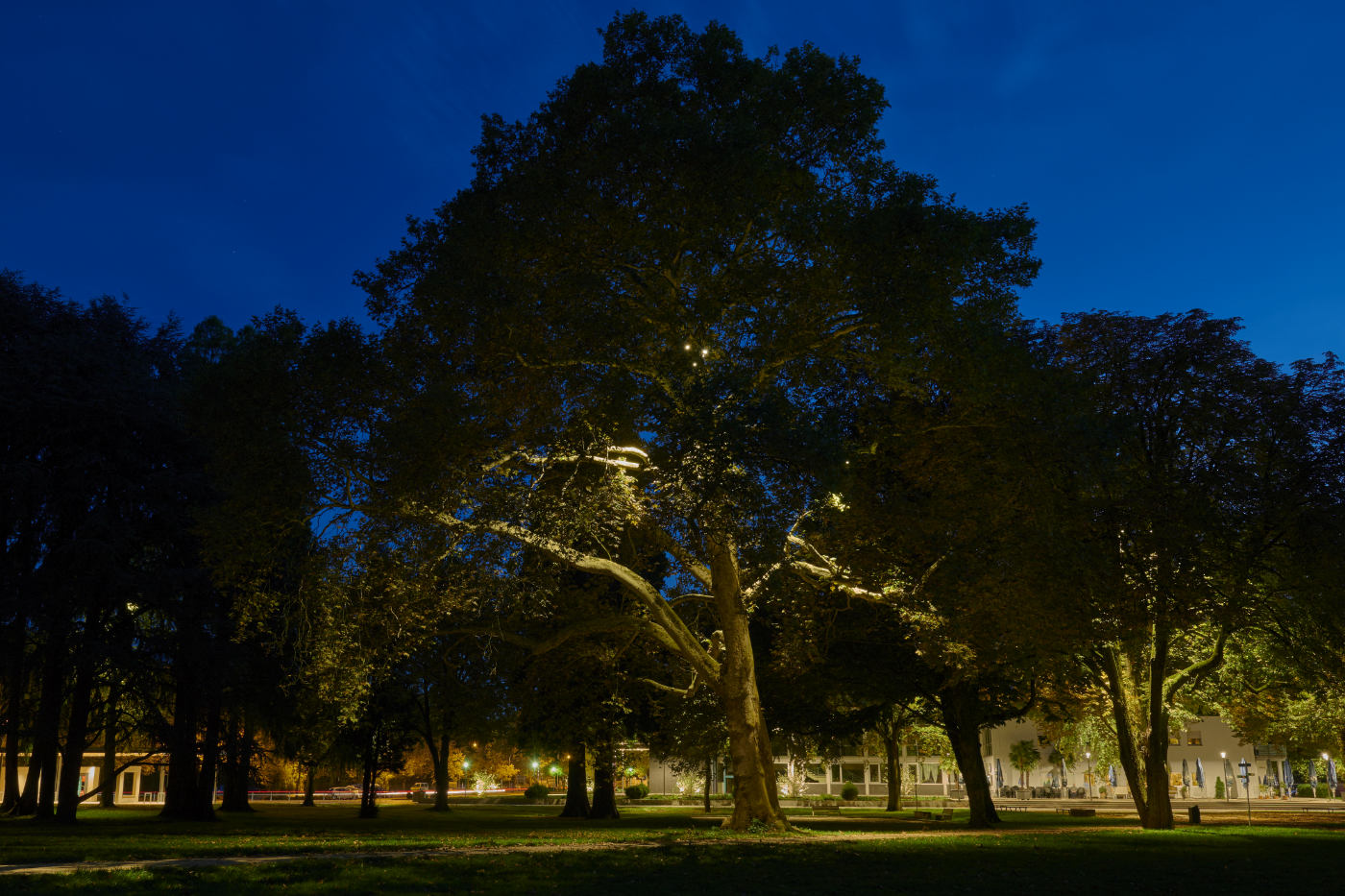
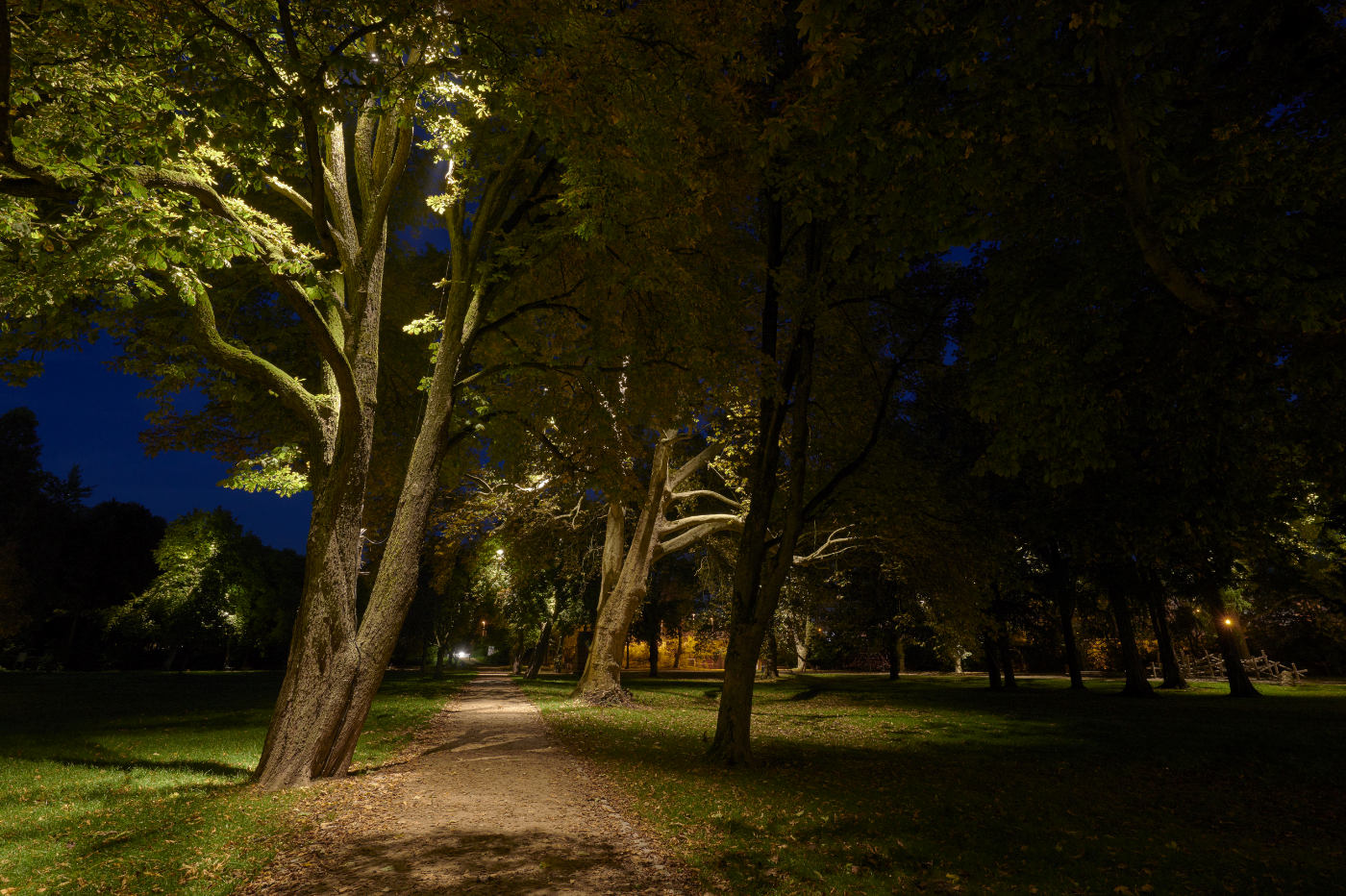
The underlying concept for the lighting design is to pick out individual trees and groups of trees, accentuating their form and beauty. The park overall has been planned similarly to that of a stage in a theatre. The protagonists are the trees, which radiate light from the inside, without the luminaires themselves being visible.

NATURAL EFFECTS

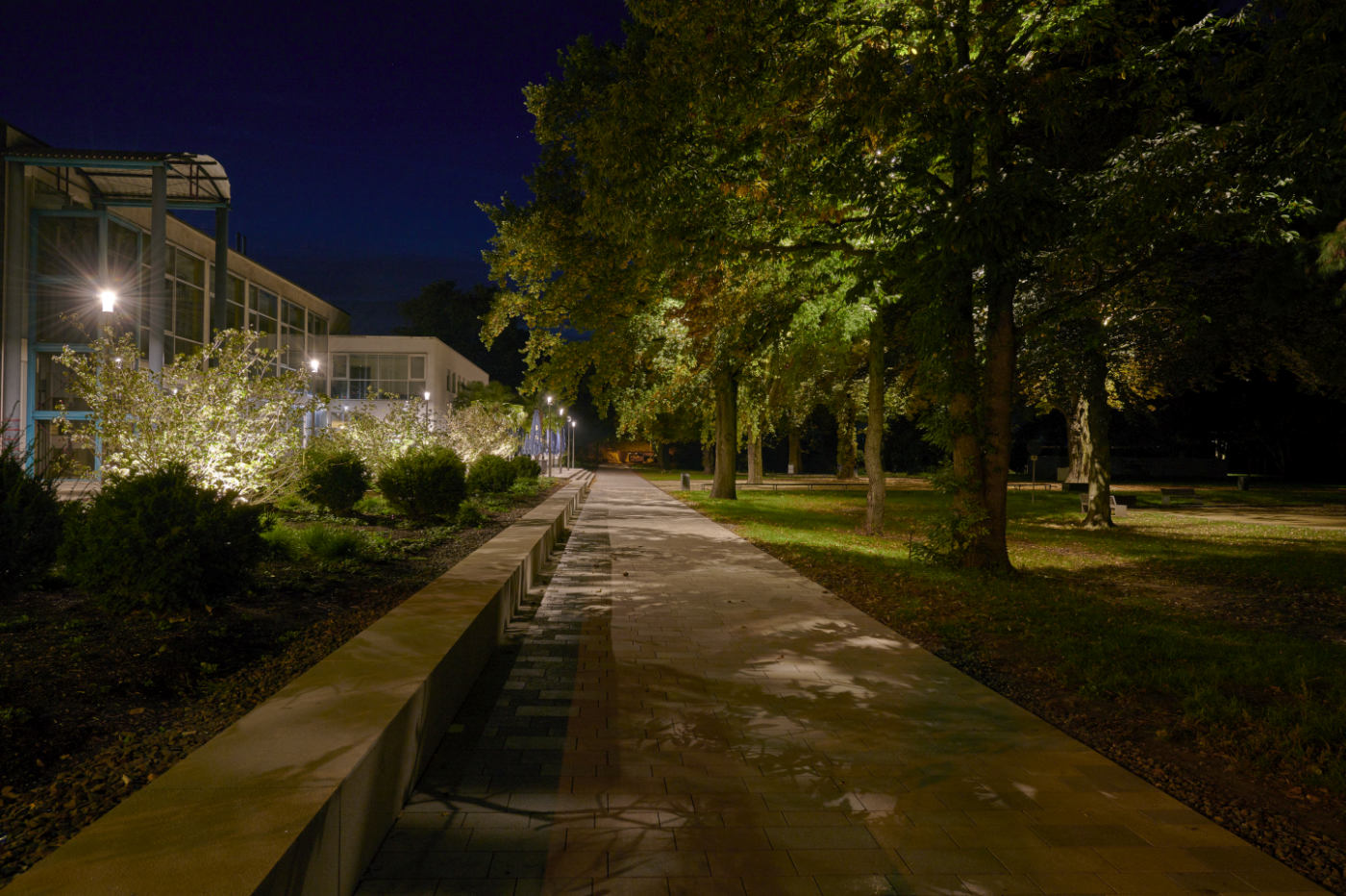
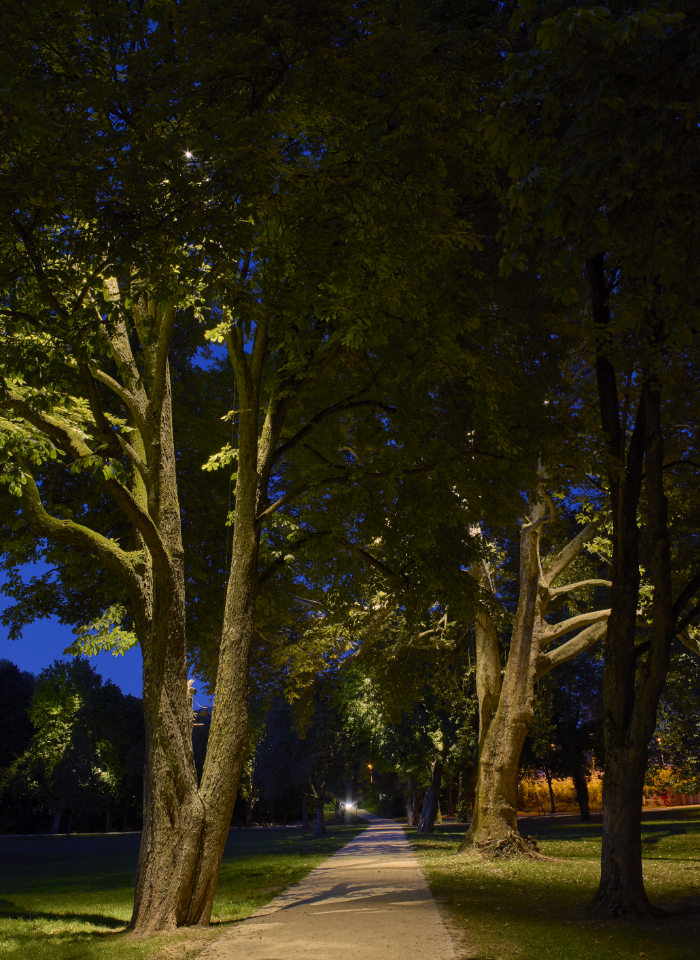
People are influenced by the sun and the moon that give rise to poetic images of light and shade. Just as in nature, in Merzig park the light comes from above and is projected straight down. The luminaires are mounted in the trees, as high as 30 metres up. They cast both distinct and blurred outlines of the branches and leaves onto the ground. This atmospheric impression is achieved by using three different beam angles with just a single model of luminaire.

LIGHTING SCREENPLAY

Each tree is individual, one of many solo performers on the ‘park stage’. After consulting with the landscape gardeners, it was decided how to distribute the luminaires. Ultimately, priority was given to adjusting each individual luminaire on site, using cherry pickers to install them. The beams of light have been configured in such a way that the paths are washed with glare-free 3000 K light. A few uplights are used to pick out low-growing plants.

SUPPORTING SIDESHOWS

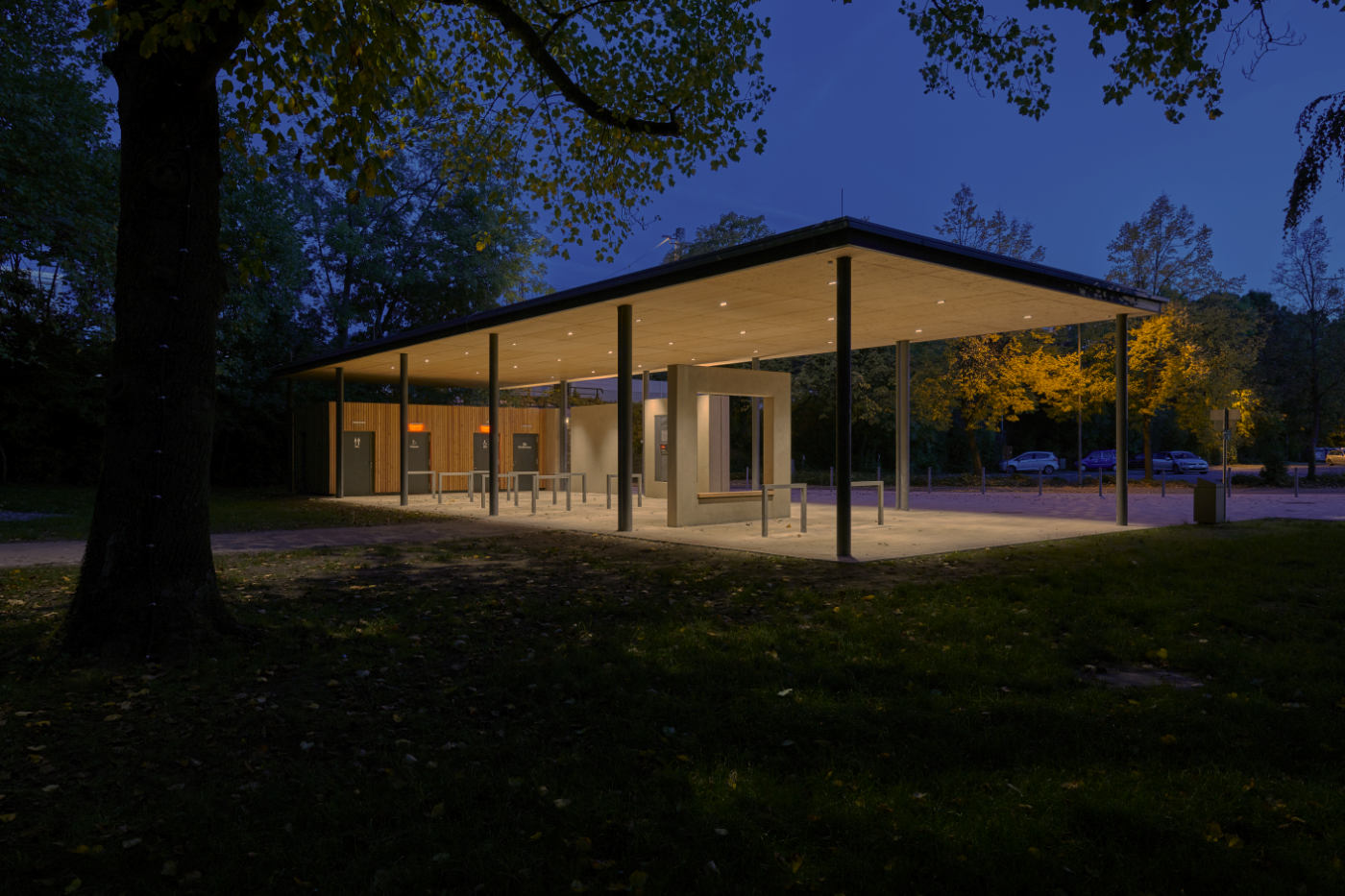
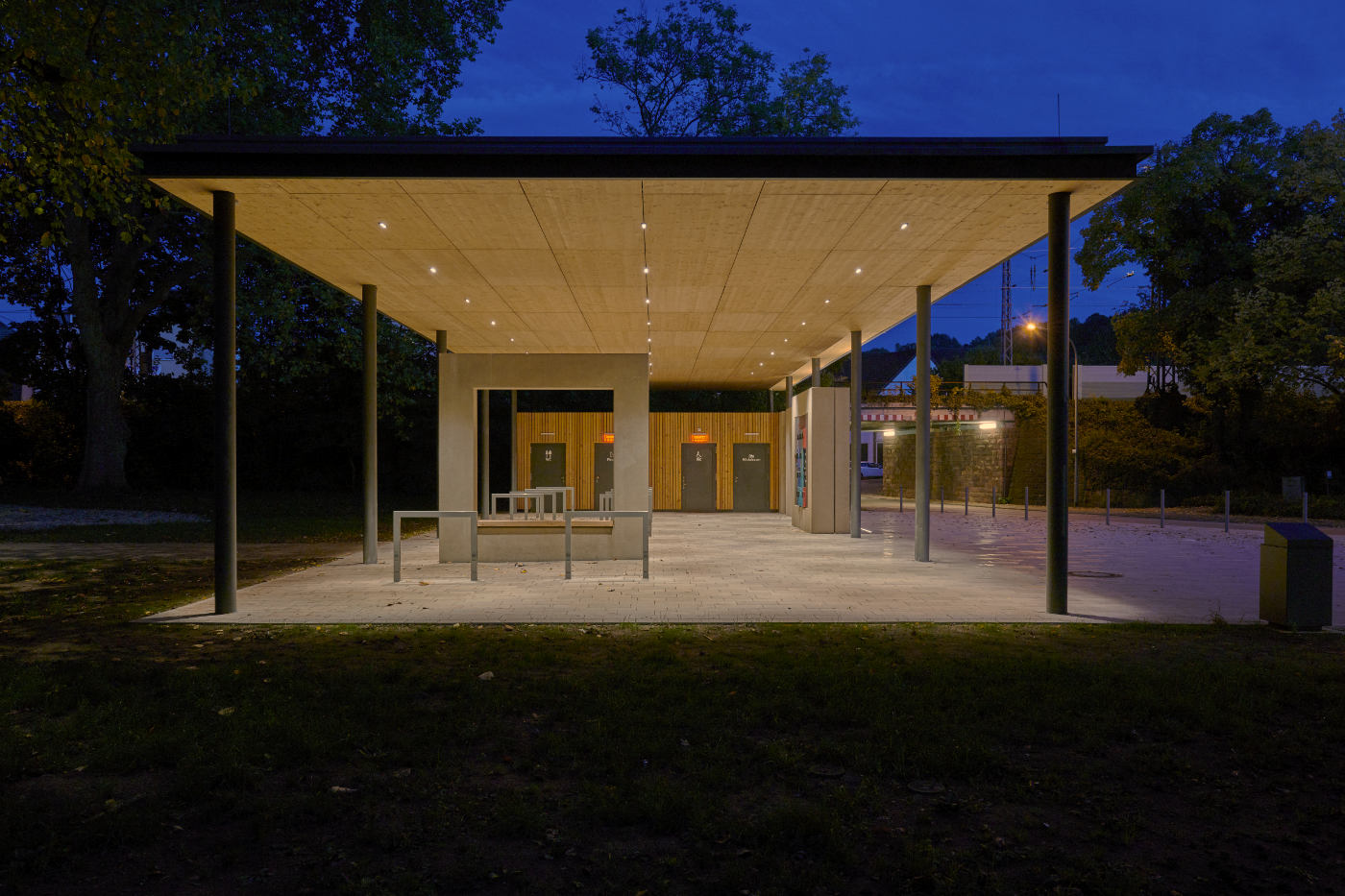
A multi-use pavilion was designed as an entranceway to the park. Downlights have been integrated unobtrusively into the pavilion ceiling and provide uniform wall washing. New lighting masts (mounting height of 4.50 m) now illuminate the approach and reveal the immediate surroundings of the civic hall. In-ground, recessed linear luminaires trace the outlines of the architecture and highlight the benches. Lighting for the natural salt spring will follow once restoration work has been completed.

HARMONIOUS COMPOSITION

As visitors enter Merzig municipal park, there is welcoming light to guide them and provide a sense of safety and tranquillity at any time of day or night. The natural balance of light and shade, brightness and dark is retained.

Photos: Tom Gundelwein

THE RIGHT LIGHT FOR BETTER SHOPPING

Natural light dictates the lighting at Möbel Martin in Saarbrücken

Back in 2015, during refurbishment of Möbel Martin in Kaiserslautern, dynamic controls for natural light were introduced successfully in a furniture and furnishings store. So when a new branch opened in Saarbrücken in 2019, an improved version of the modular lighting system was used.

Holistic approach to lighting design in the newly constructed premises

We were able to coordinate plans for the lighting concept for Möbel Martin in Saarbrücken with the architect from the outset. The dynamic controls for natural light were to be installed using a modular LED lighting system as in Kaiserslautern.

Artificial light and influx of natural light

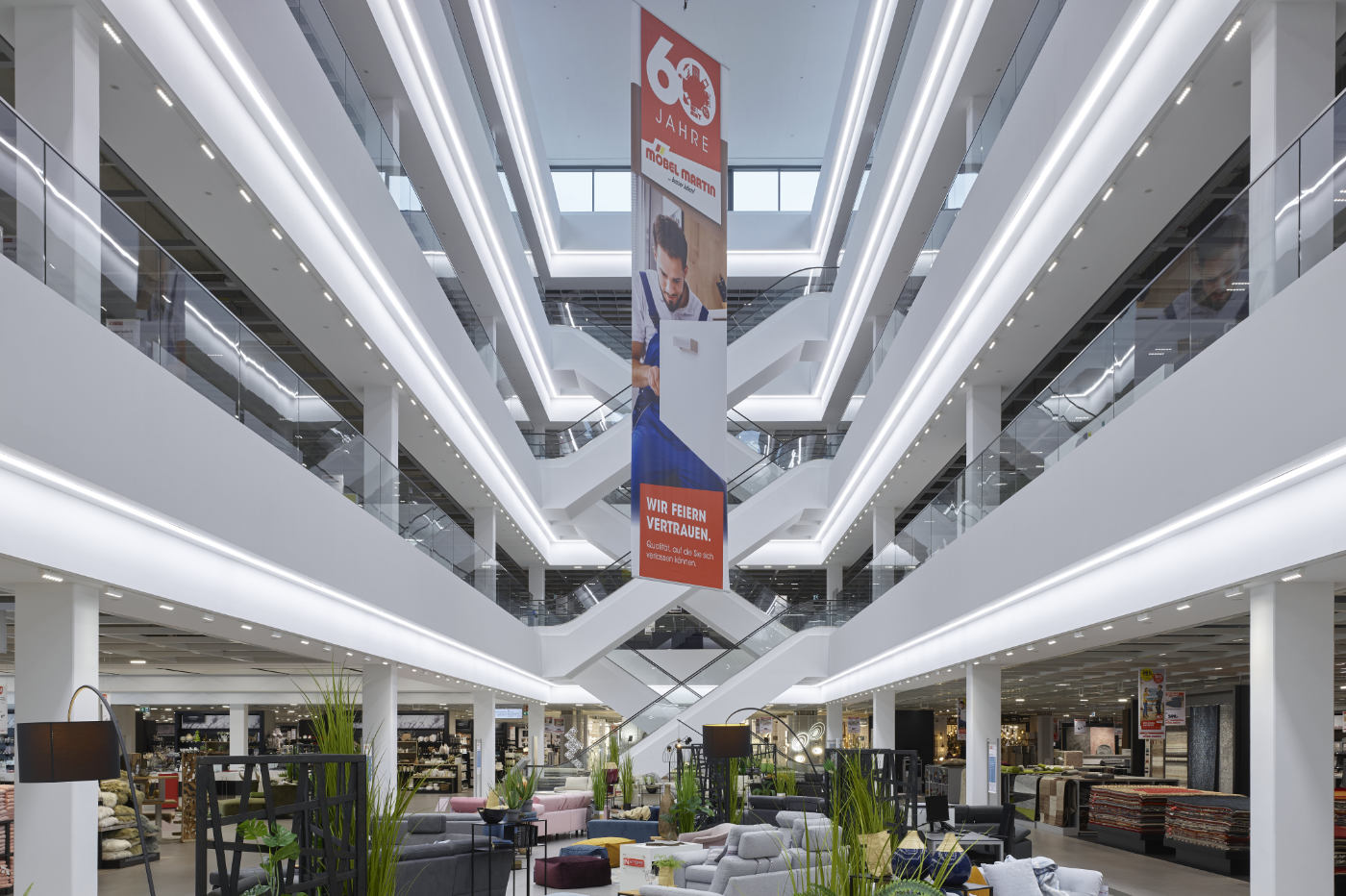
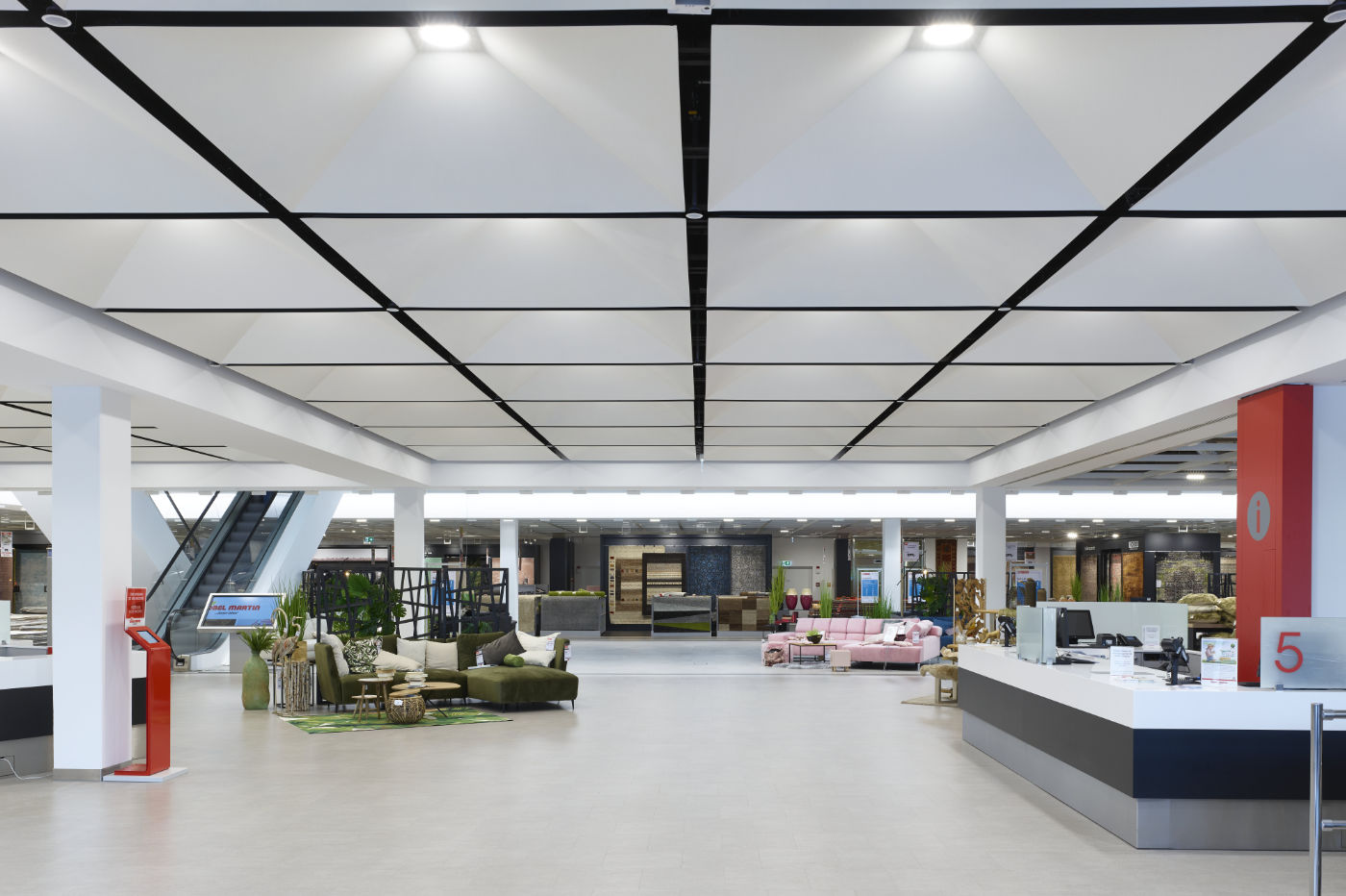
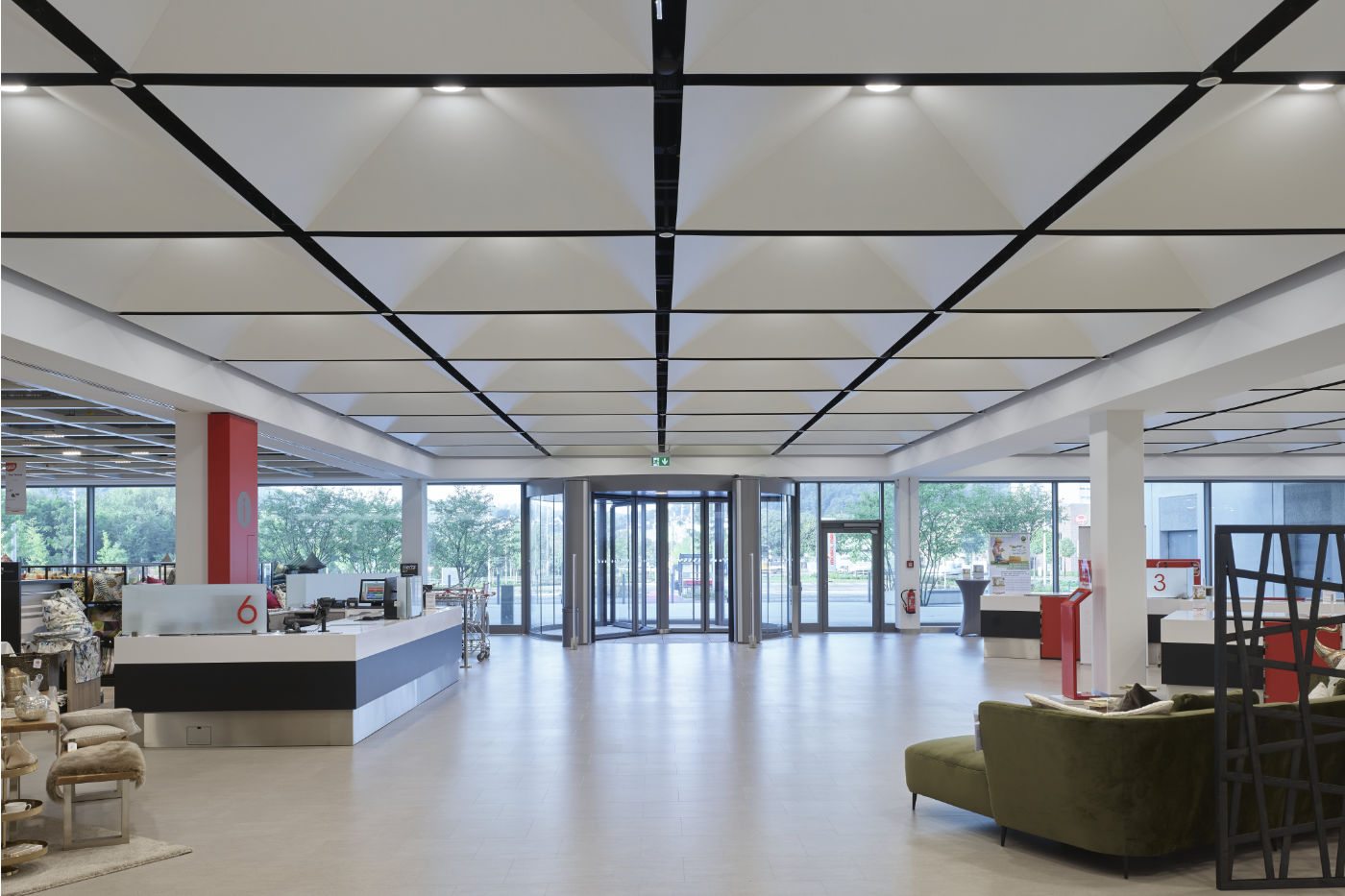
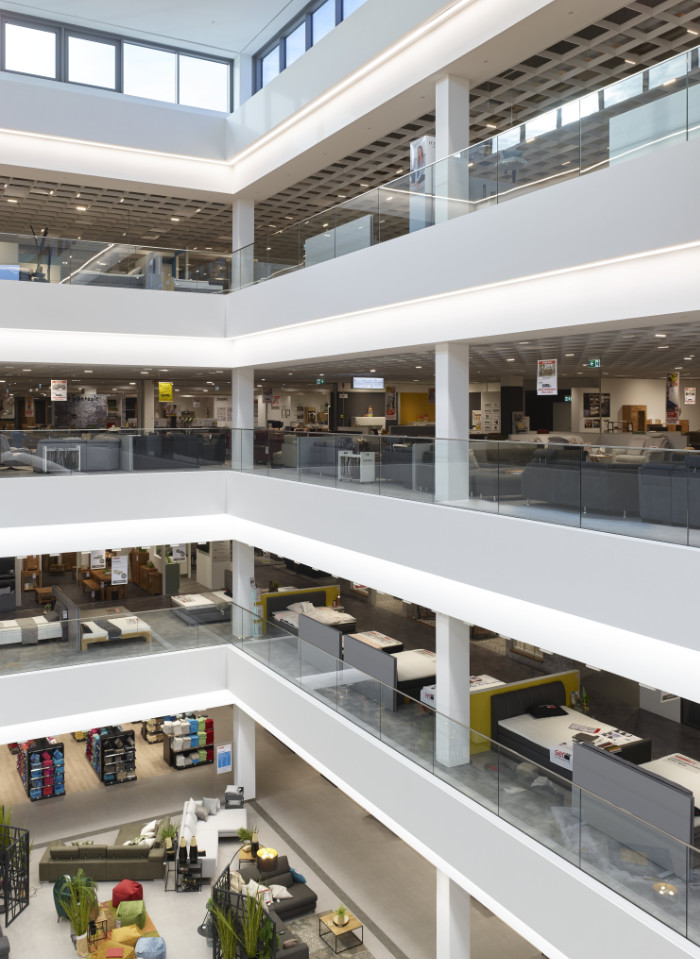
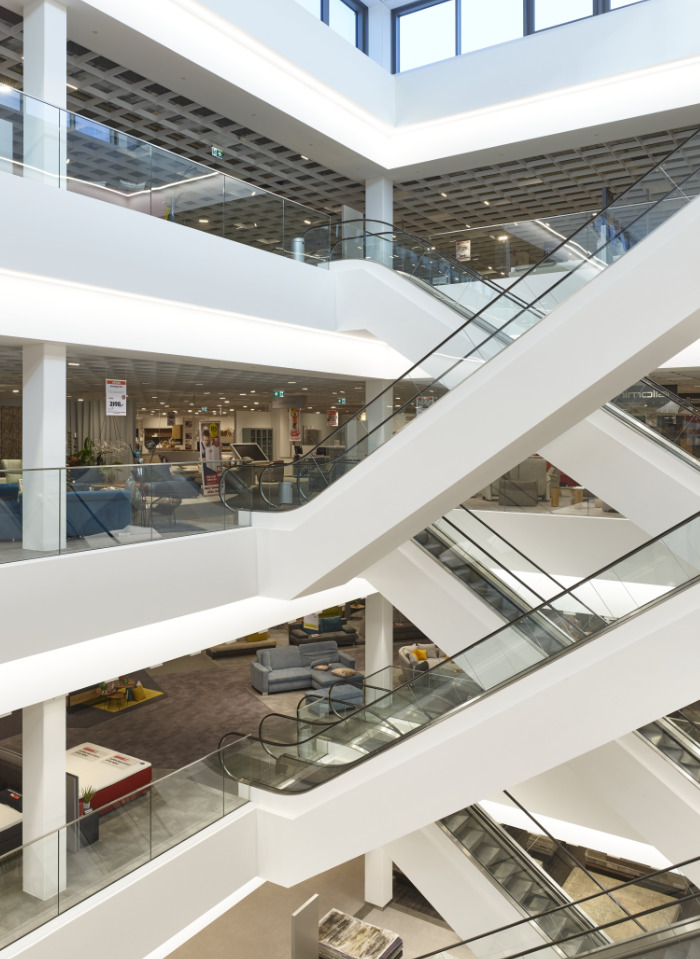
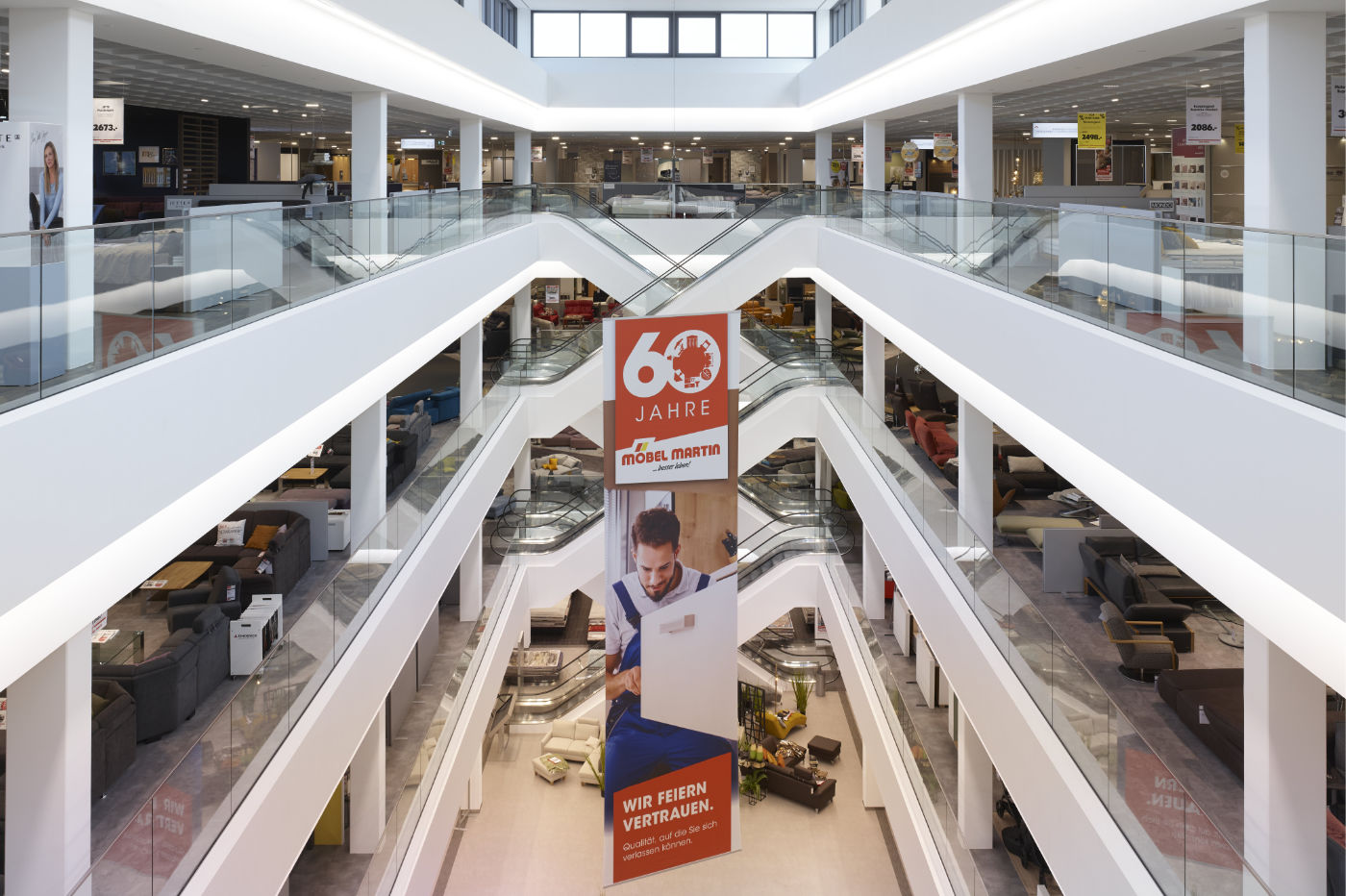
The architecture of the four-storey building is characterised by its high atrium, generous glass surfaces in the entrance area and a clerestory. Calculating incidence of natural light over the year was fundamental in planning for artificial light. A threshold meter mounted on the roof measures illuminance and colour temperature in four directions and transmits the data to the lighting controls.

Bespoke funnel-shaped ceiling in the atrium

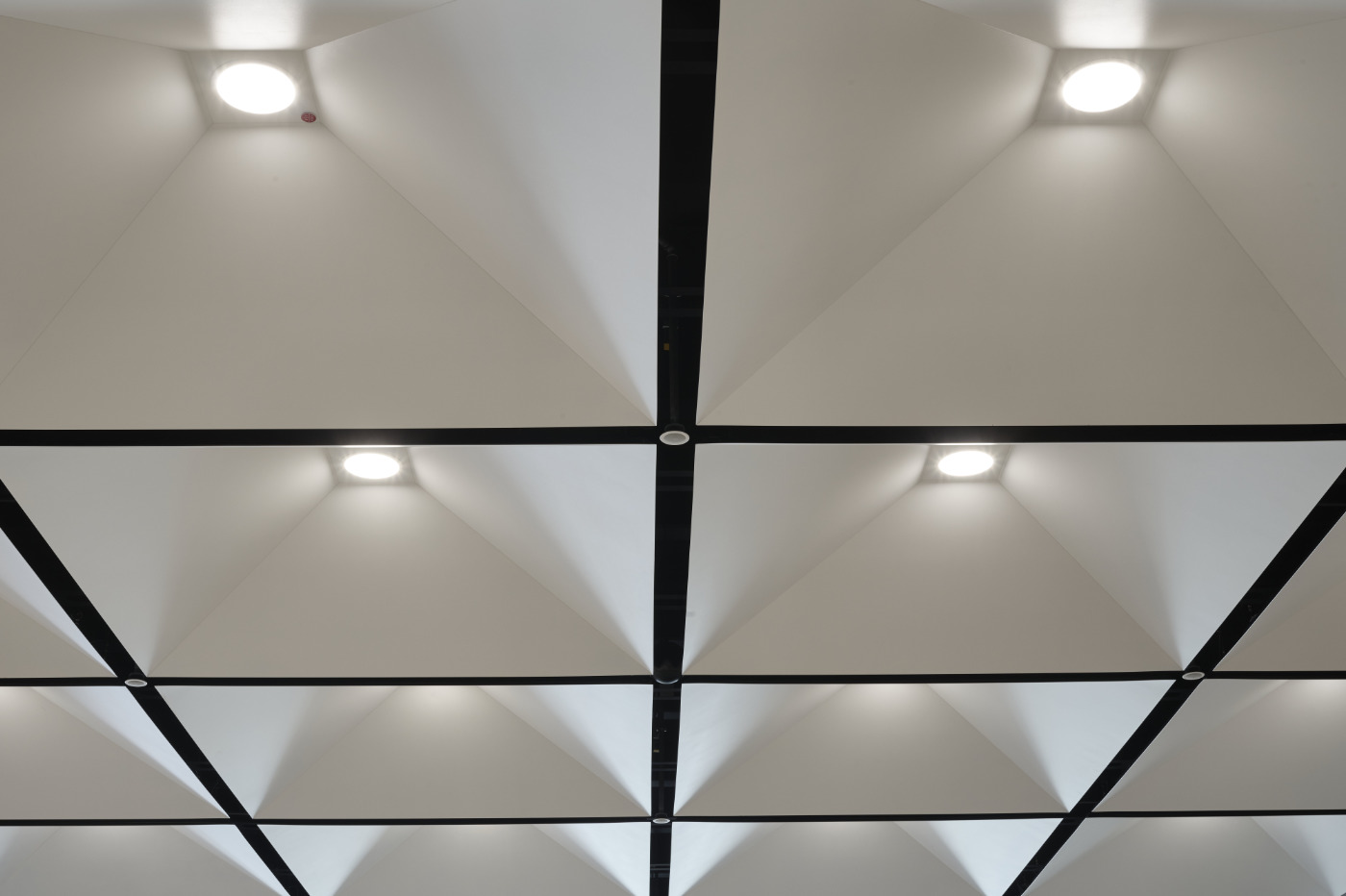
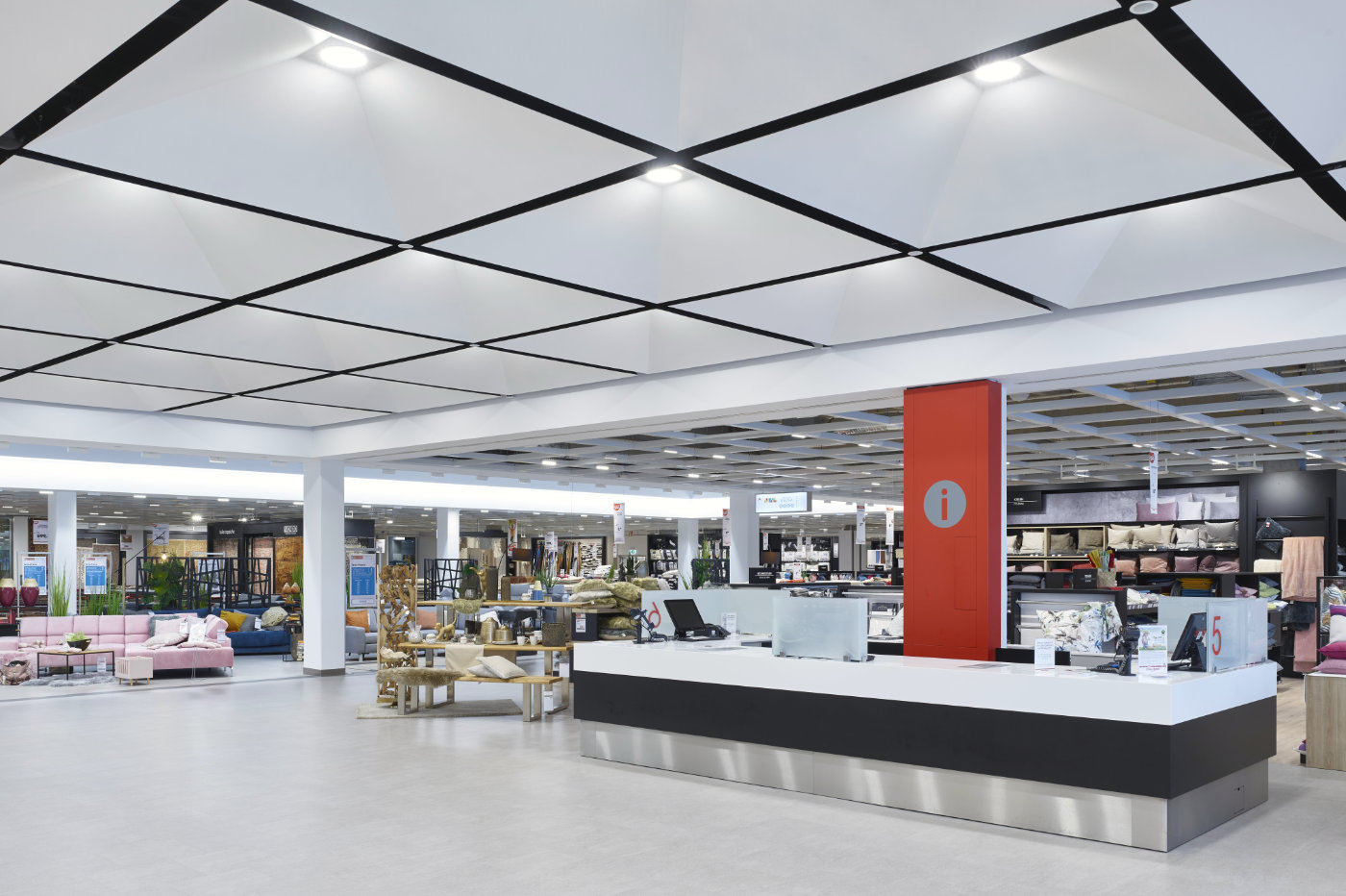
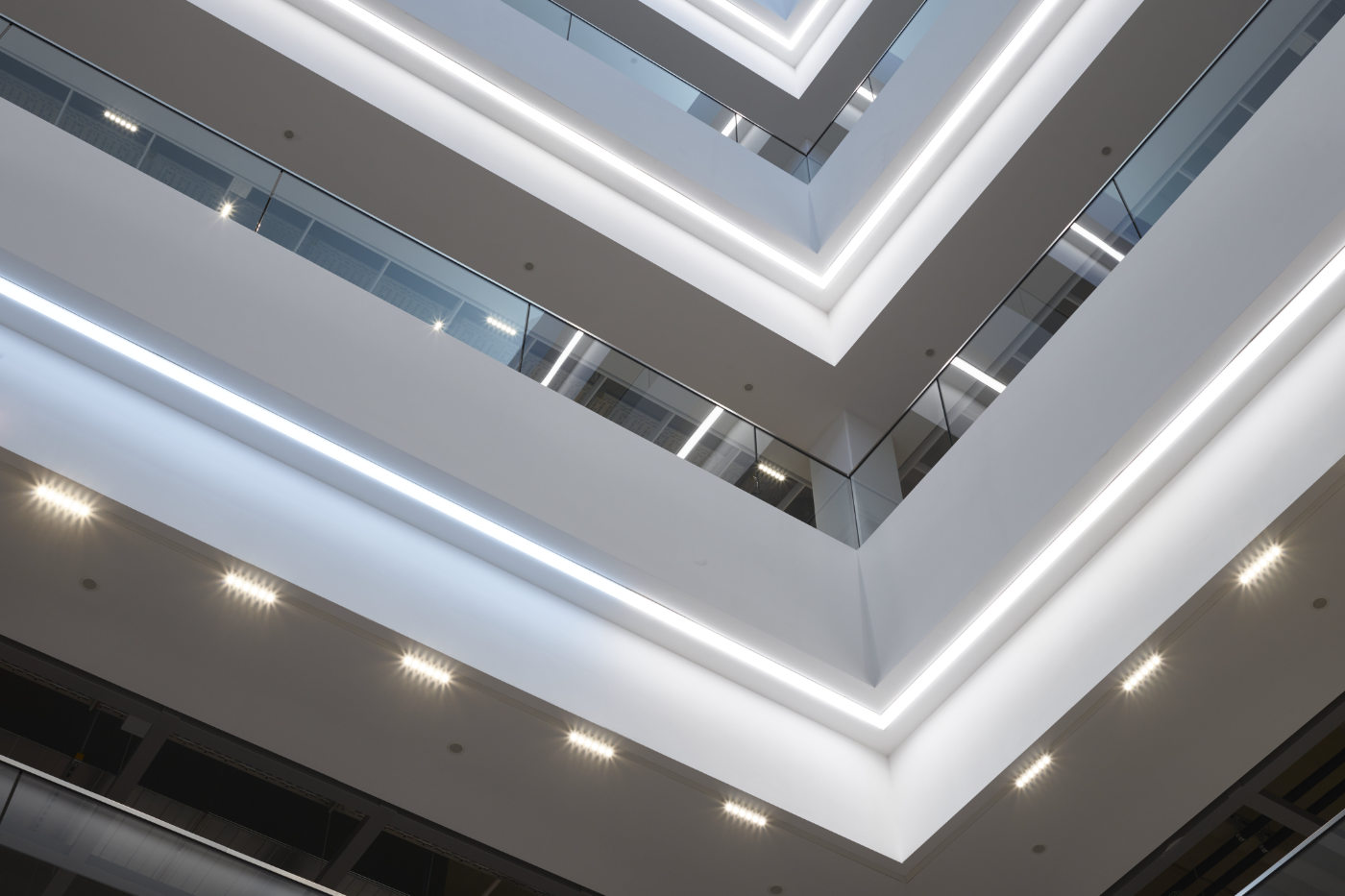
The entrance area is illuminated by funnel-shaped, pendant luminaires; they continue the linear nature of the architecture. Built-in day/night LED lamps adjust to the time of day using a tunable white lighting system; their radial Fresnel lens system delivers brilliant, diffuse light. In the atrium, bands of light on each floor accentuate the vertical lines. The blue component of the light is increased slightly towards the top in order to reinforce the impression of the sky.

Biodynamic light in the sales area

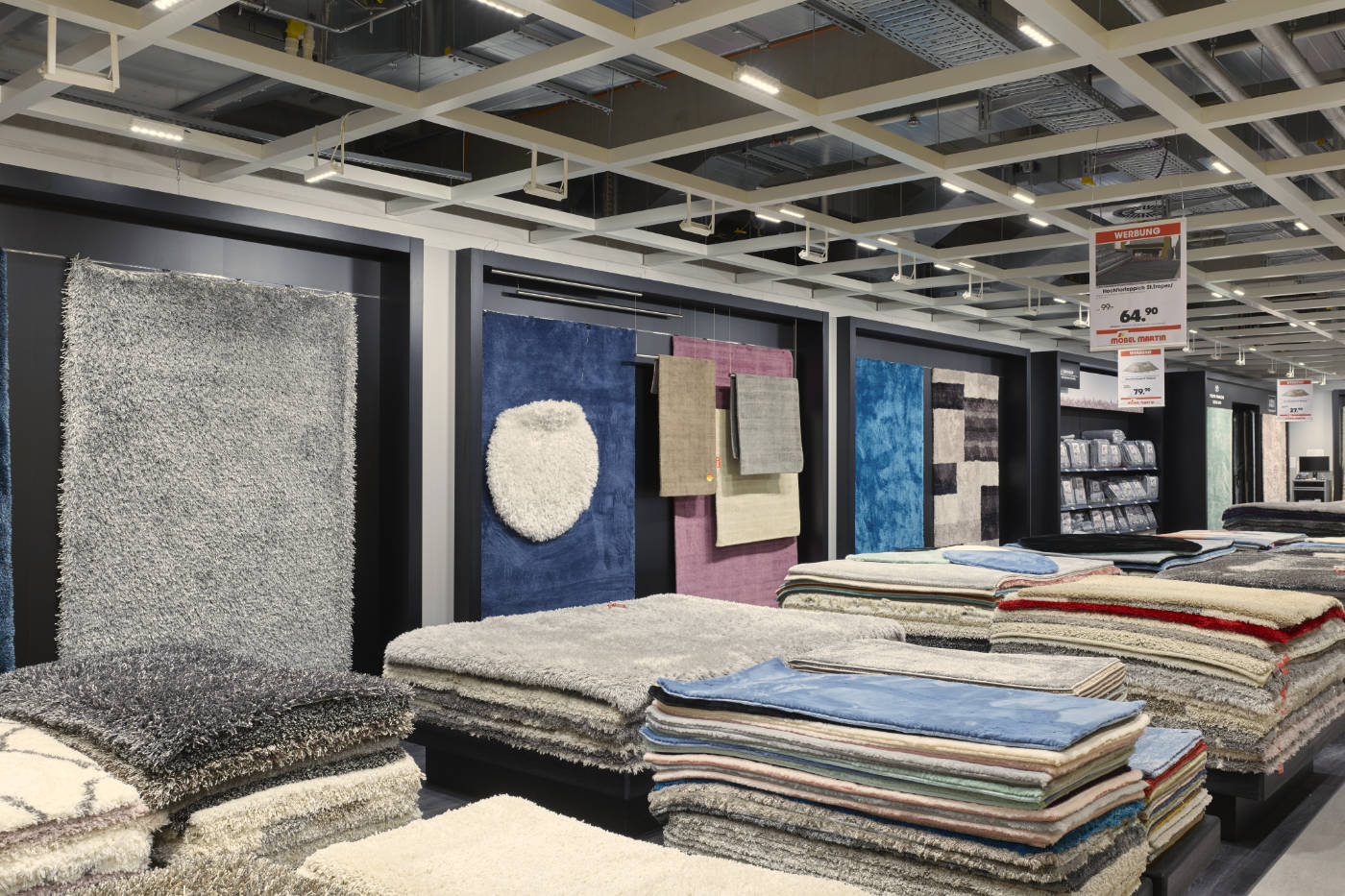
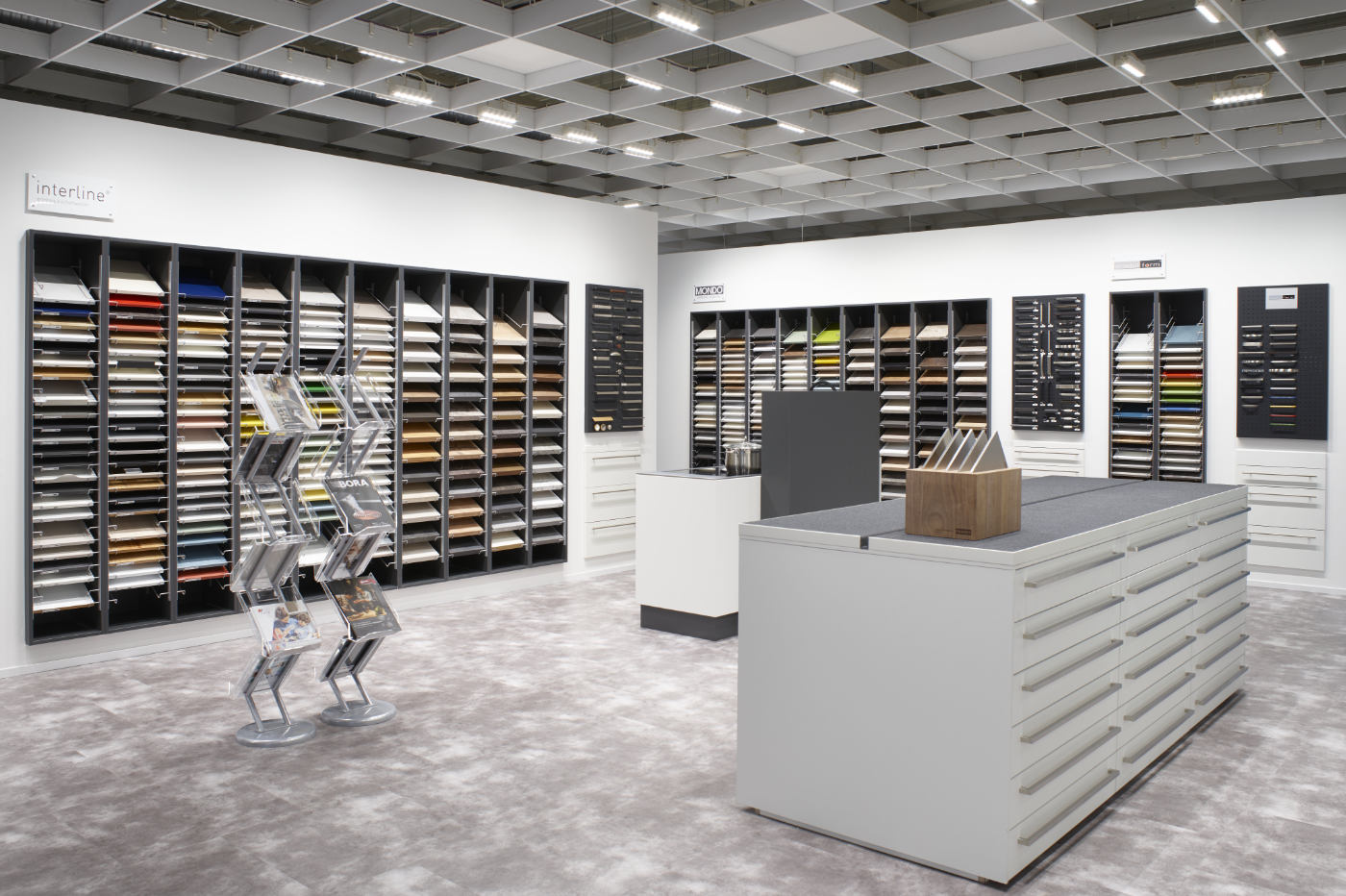
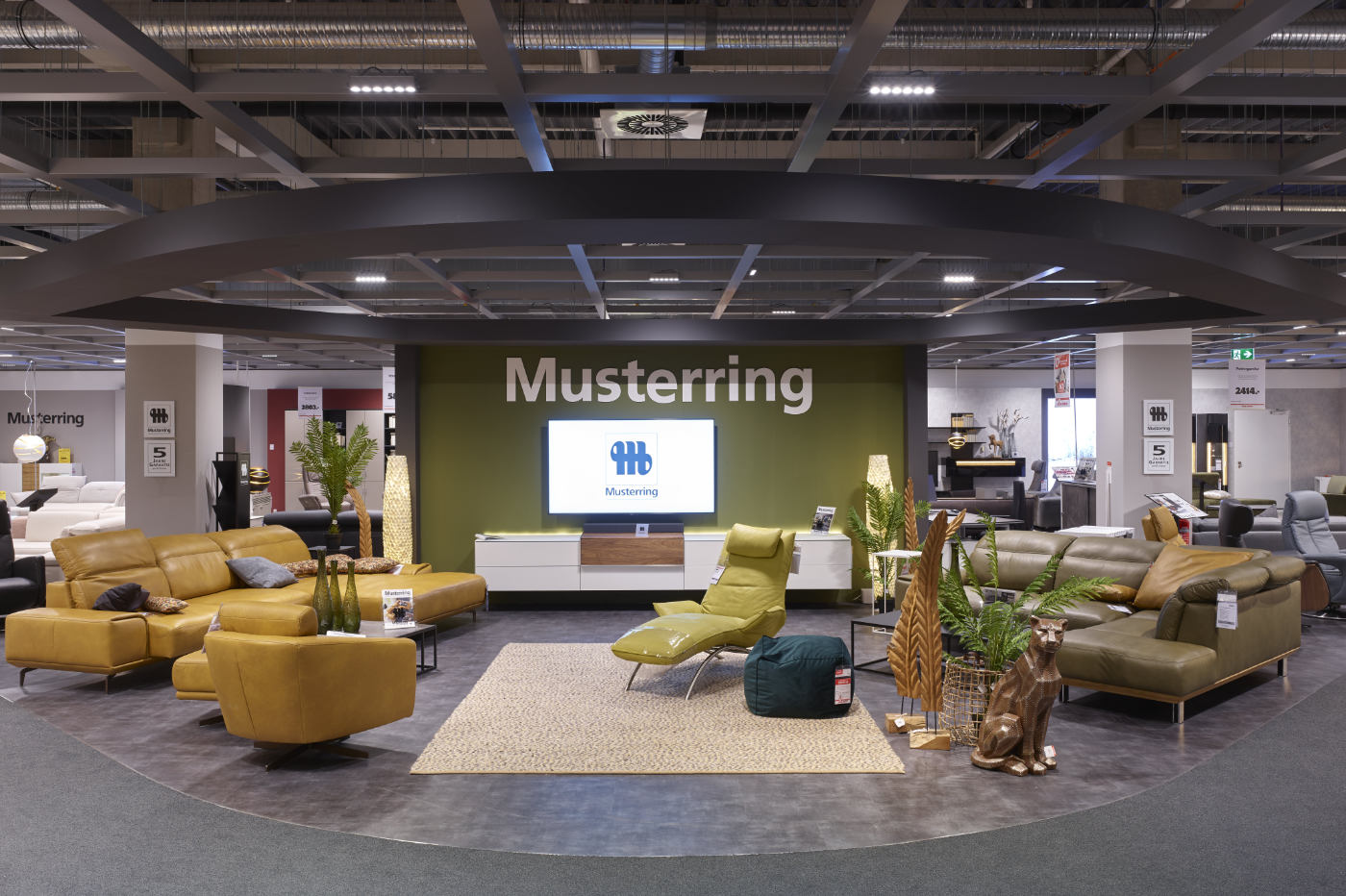
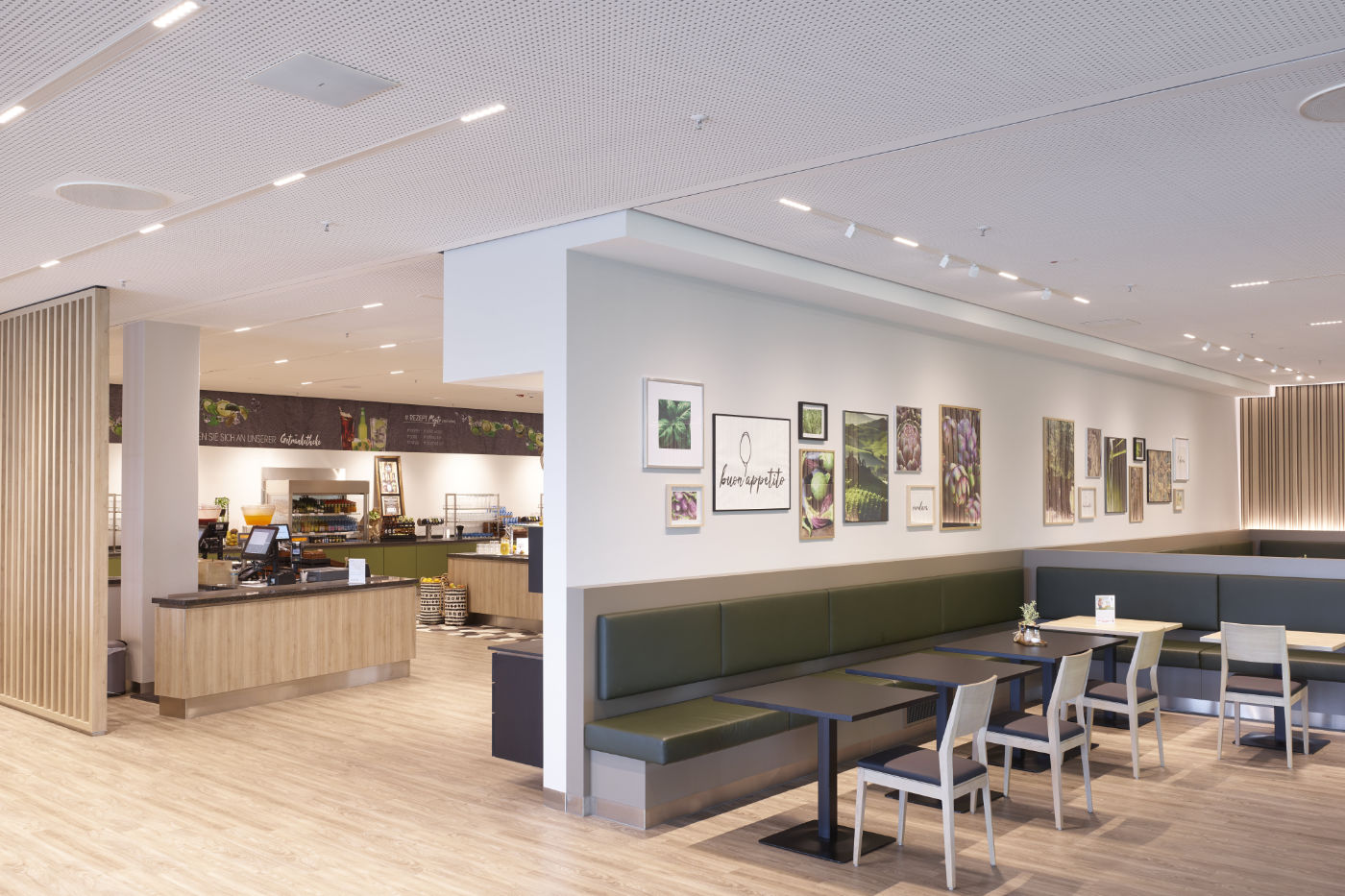
The showroom area is illuminated by a modular LED system, comparable with that installed in Möbel Martin in Kaiserslautern. Narrow and wide-beam collimators are used; various brackets have been chosen to be compatible with the ceiling structure. Two variable colour temperatures (2700 and 5000 K) create a natural atmosphere, which adjusts to the natural light and supports circadian rhythms in line with the principles of Human Centric Lighting (HCL). A high colour rendering rate enables customers to survey the range of products under lifelike conditions.

Tempting catering menus

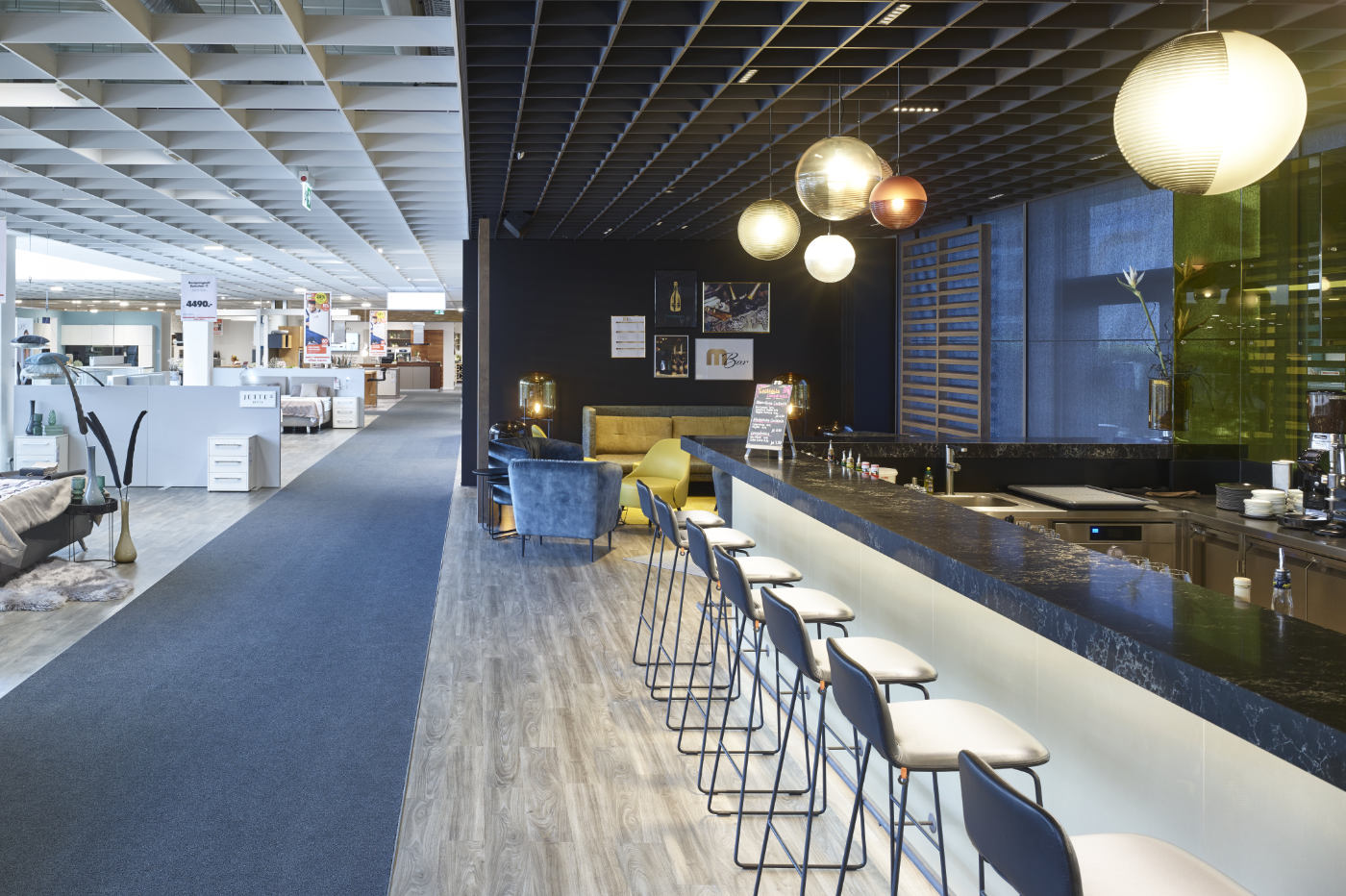
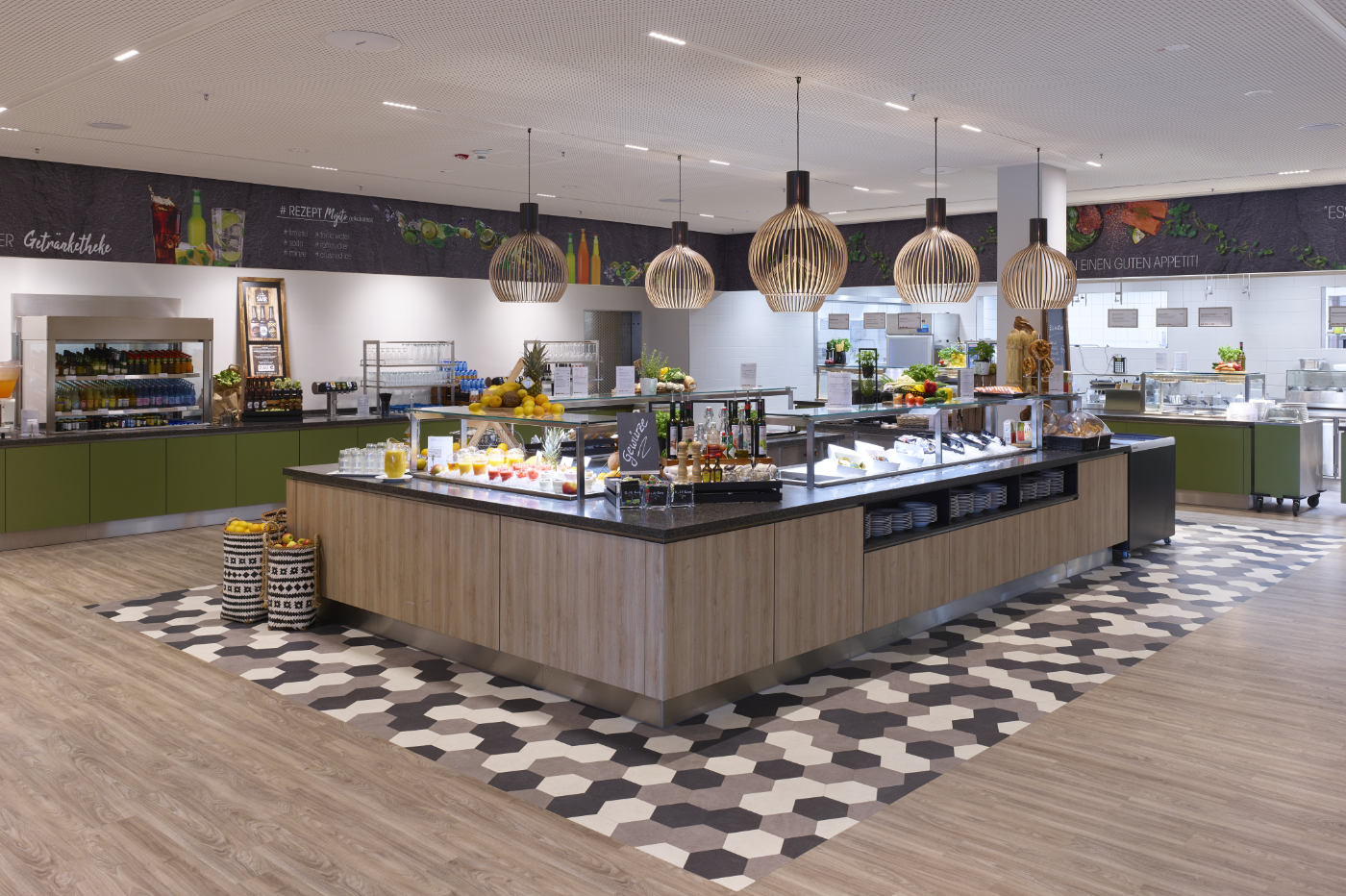
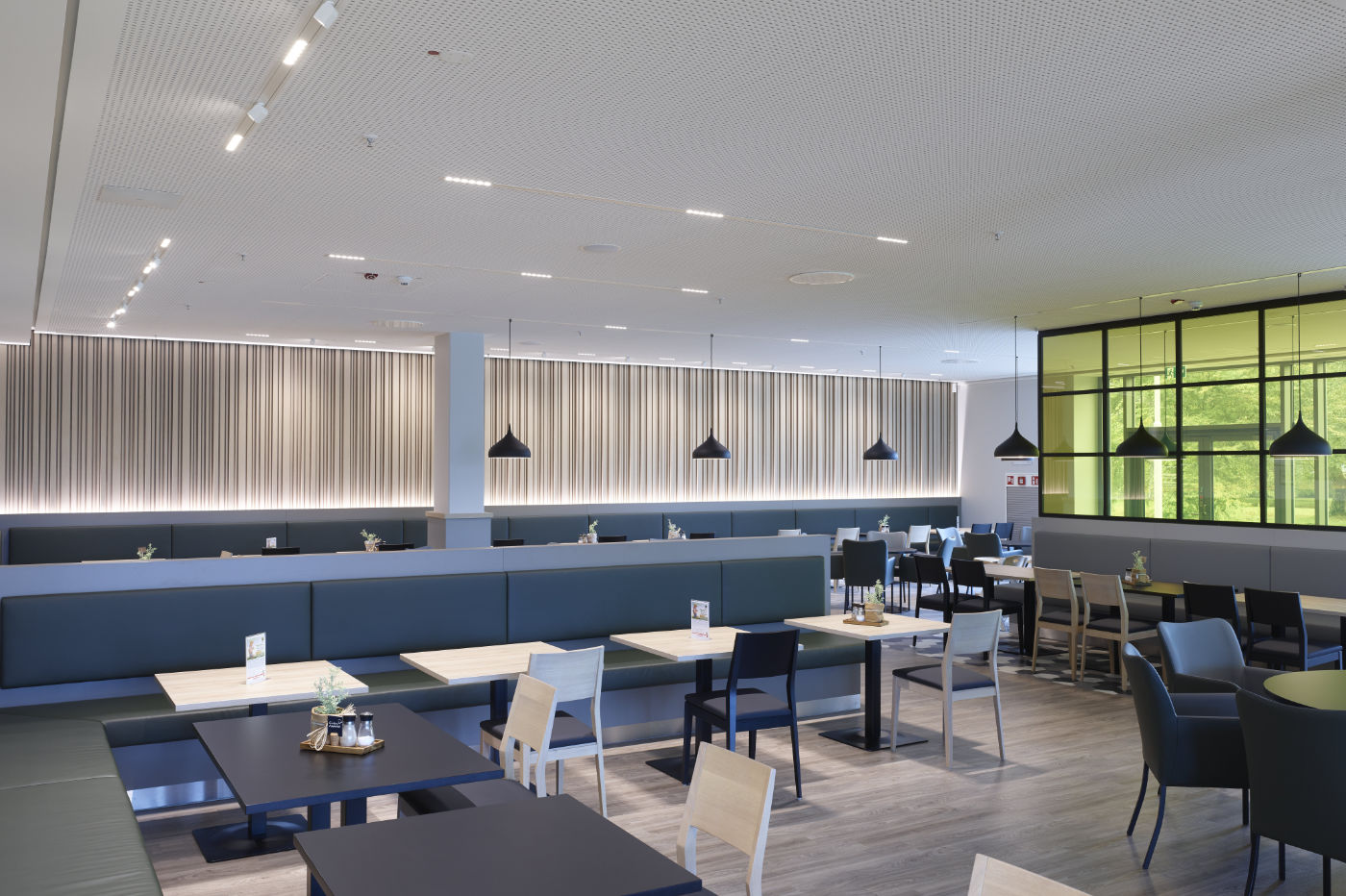
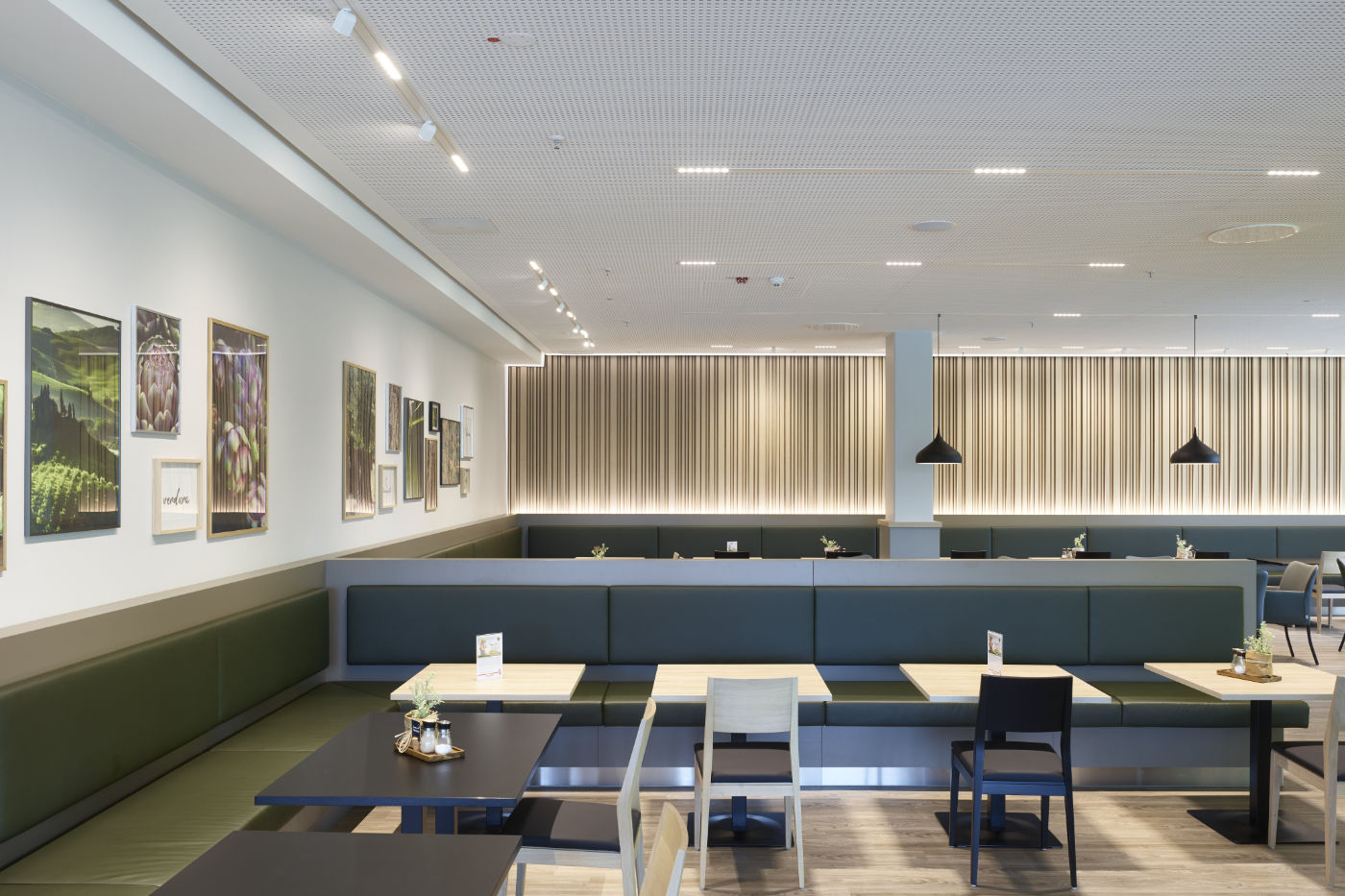
The restaurant demonstrates a uniform reflected ceiling plan, which takes up the graphic lines of the atrium. Direct and indirect lighting is provided by downlights, wall-washers, picture and accent lighting, and pendant luminaires. Lines of light on the floor of the bars break up the circulation areas.

Sophisticated, effective design

The lighting concept aimed to deliver customised, cost-saving solutions. It has been possible to increase average illuminance substantially, resulting in a pleasantly bright and airy environment with energising contrasts.

Photos: Tom Gundelwein

ALPINE GLOW IN ZÜRICH

Lighting scenes for spa and garage at a Swiss property

The lighting design extended over the 300 m2 spa area of the house and the 150 m2 garage, which also serves as a function room and showroom.

Light for relaxation

The property is built into a slope. The view from the spa over Lake Zurich and the Alps opens out from a glass façade. In order to balance natural and artificial light, a room-size sculpture was designed that accentuates the pool and ensures a sufficient level of illuminance on the ceiling. The wave, composed of white wooden slats, incorporates RGB-controllable LED stripes, which shine indirectly onto the surface of the ceiling. Lights at the bottom of the swimming pool project the movement of the water onto the wave sculpture.

Flowing light: from the wave to the step

There is a heated bench alongside the pool, into which the steam bath, sensory shower and sauna are integrated. There are changing rooms, showers and a massage room along the stairs. The connection between the pool area and sauna zone is designed as a stairway of light with changing colours. This custom structure composed of glass brick steps and bespoke LED lights (planes) was designed for easy installation.

Dynamic lighting effects with changing colours

Four lighting moods are available, the general white light and three dynamic colour programmes (red-orange: fireplace, blue-white: ocean freshness, green-yellow: spring). One colour programme can always be combined with the white light; brightness and degree of colour saturation can be varied. Cornice lighting and recessed ground lights accentuate all sandstone-clad walls, which are adjacent to the cliff face.

Photos: Tom Gundelwein

PLUG & LIGHT – the plug socket for luminaires

A new interface between architecture and light

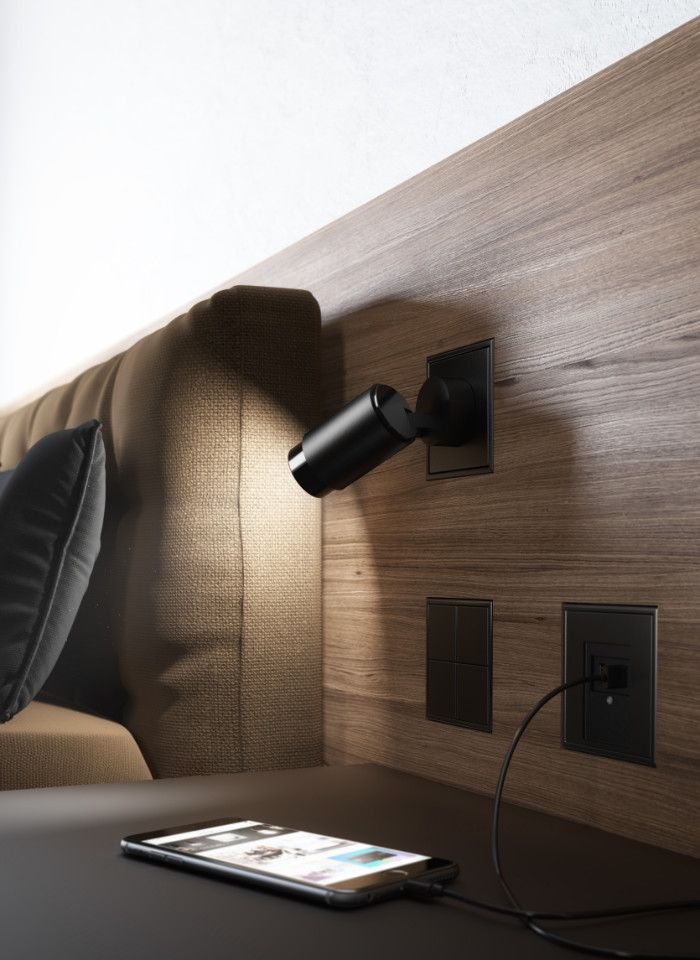
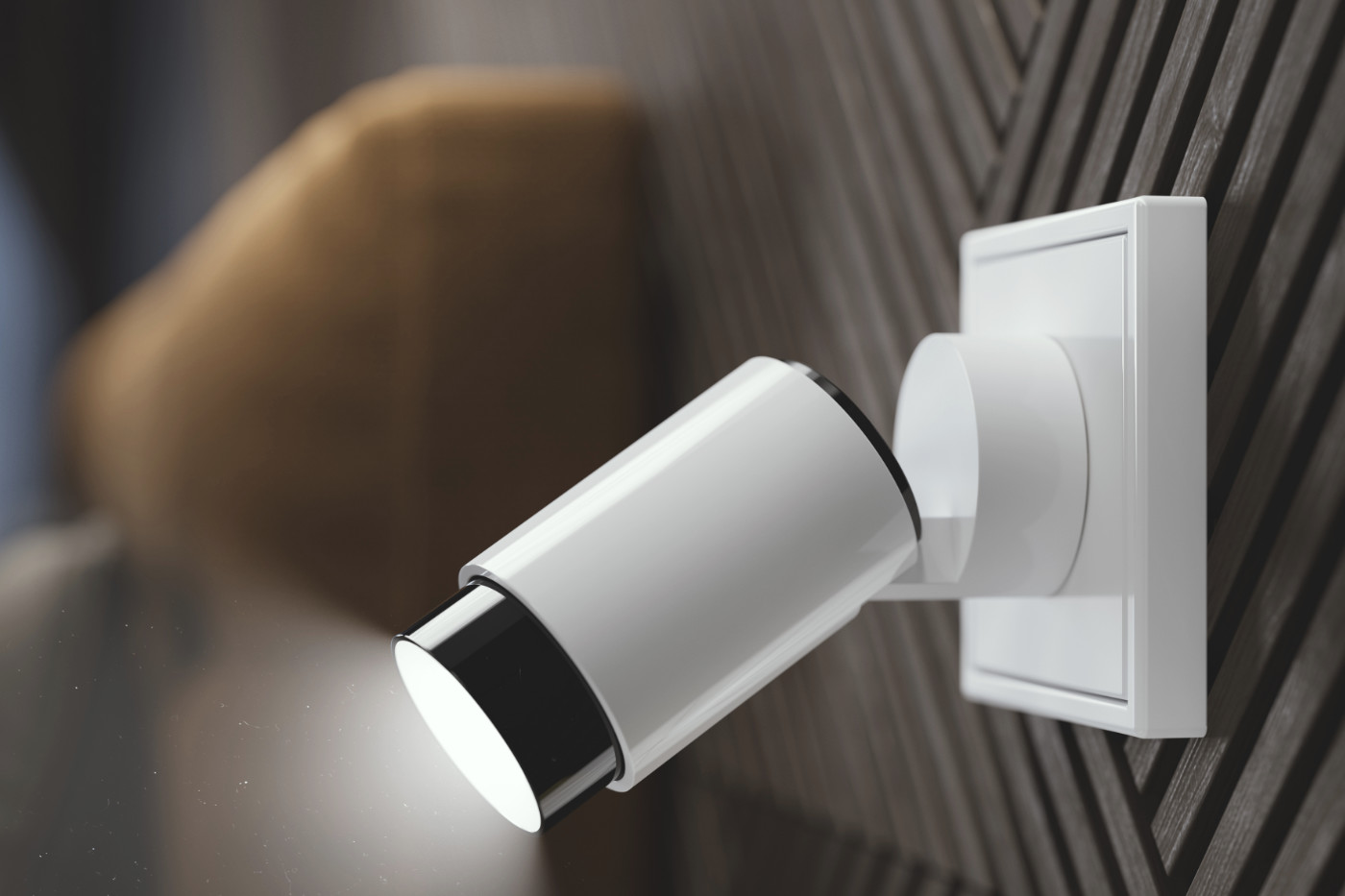
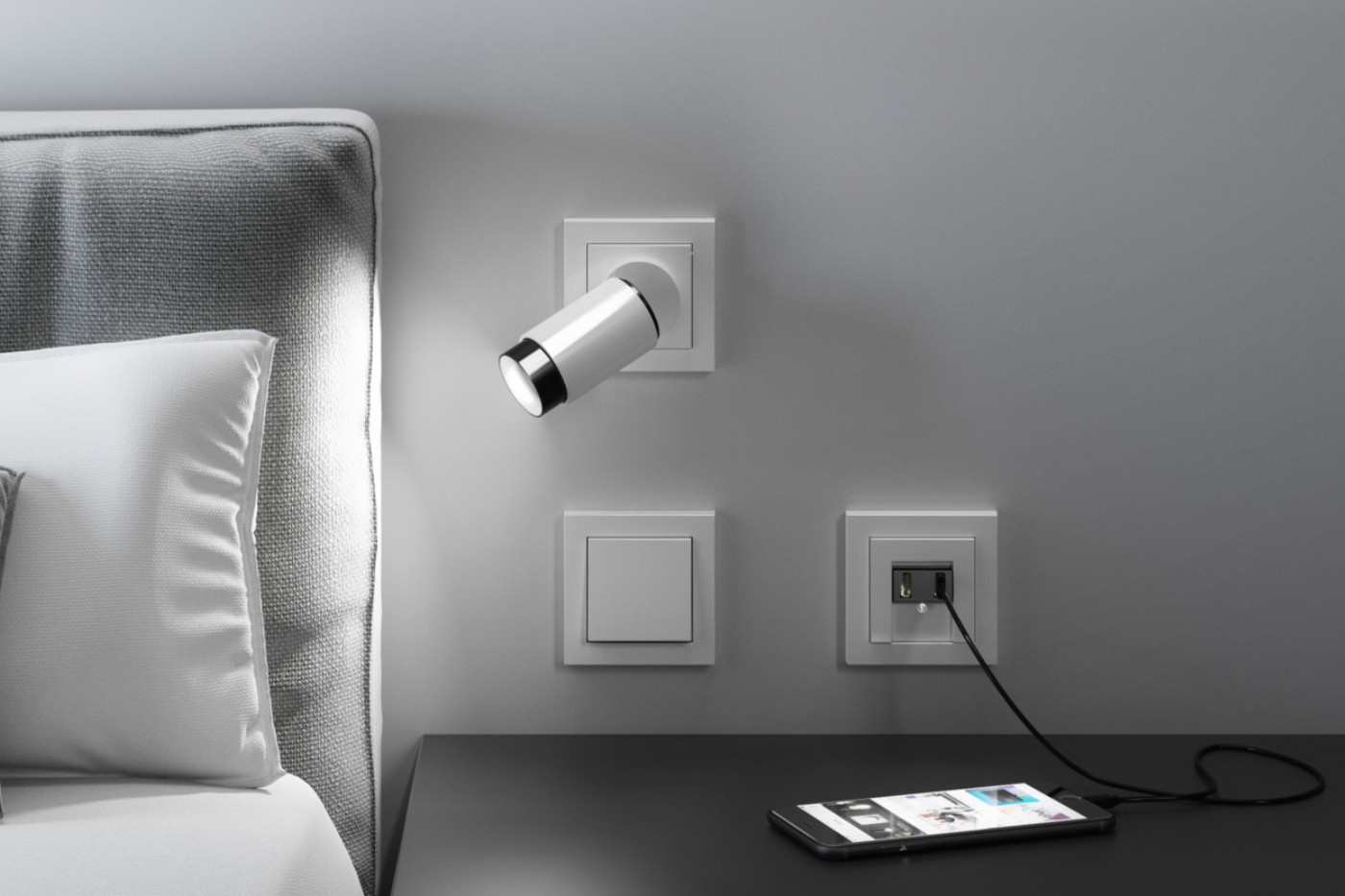
Plug & Light revolutionises how we manage light. Luminaires can be connected to conventional sockets using magnets and coordinated to match the design of the switch. At the heart are three concentric circles which transmit power as well as data.

MODULAR DESIGN

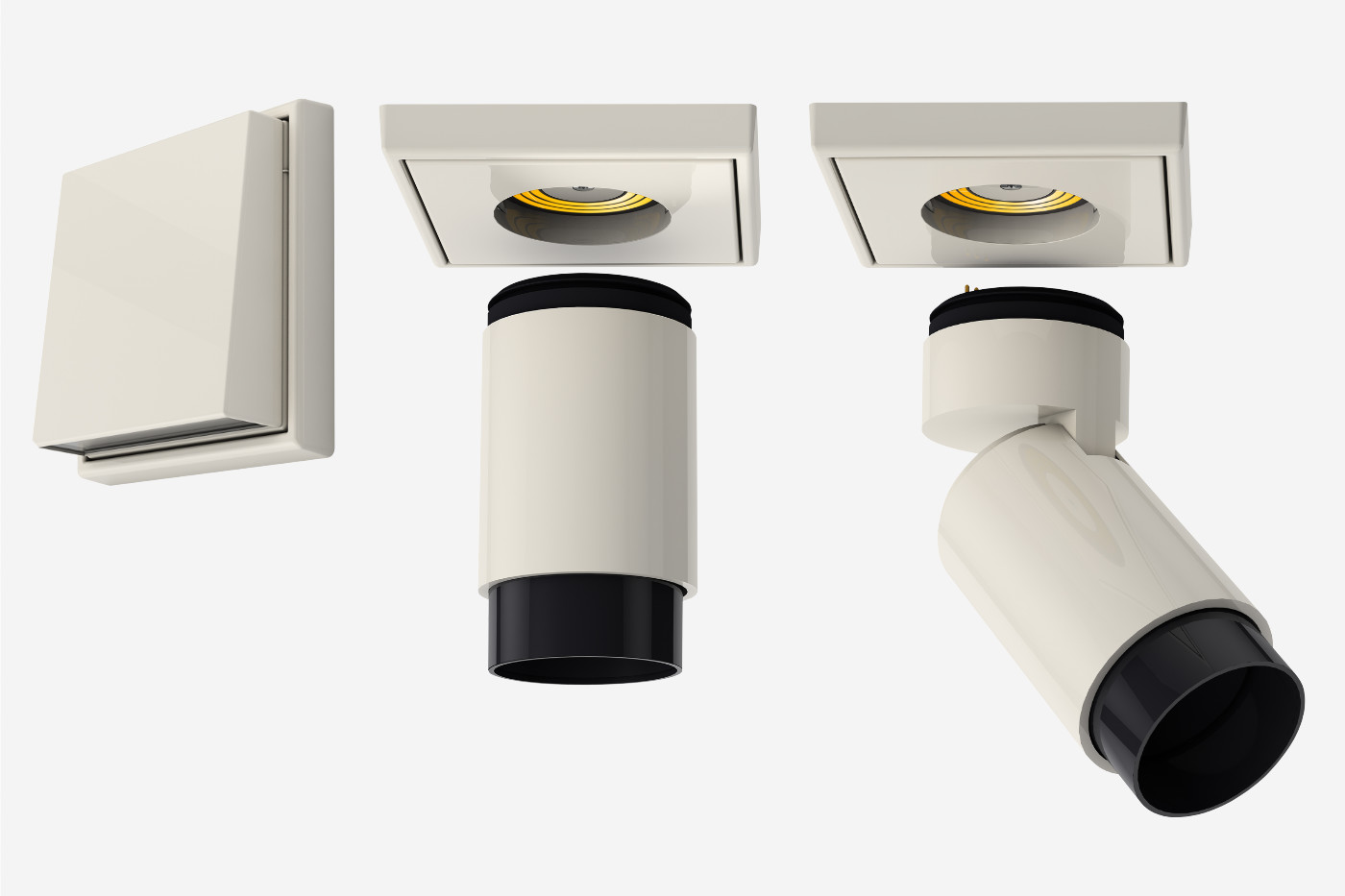
The Plug & Light socket is based on a concept designed by Tobias Link Lighting Design. It is a product innovation resulting from a collaboration with Insta GmbH, a subsidiary of the specialist for building services automation and switches Gira und Jung. It was first presented at the 2018 Light + Building trade show in Frankfurt. Conventional, concealed sockets form the basis of the modular system. To date they can be combined with two different luminaire models – wall washers or spotlights.

A STRONG ATTRACTION

The connection between the plug socket and the light is made using magnets via an attachment containing the technology. This attachment forms the heart of Plug & Light and on the inside reveals three golden concentric circles: they transmit power and data. This design drew its inspiration from the Bronze Age symbol for the sun that depicts similar rings to represent light.

EXTREMELY VERSATILE

“Plug & Light” has been designed as an open system, which is easy to install and whose appearance can be adapted to match the design of the switch. The luminaire can be attached without need for disconnection and rotated 360° on its own axis. This means light can be directed to suit individual requirements. Depending on the model, the luminaire socket can be switched on and off, dimmed or changes in colour controlled. Portable rechargeable lights are also feasible in order to connect them to smart home functions via Wi-Fi. The selection of compatible luminaires can be constantly expanded in a network, independent of manufacturer. With just a few single components, Plug & Light enables a wealth of potential applications, whether for installation in walls, ceilings or furniture.

PRIZE-WINNING

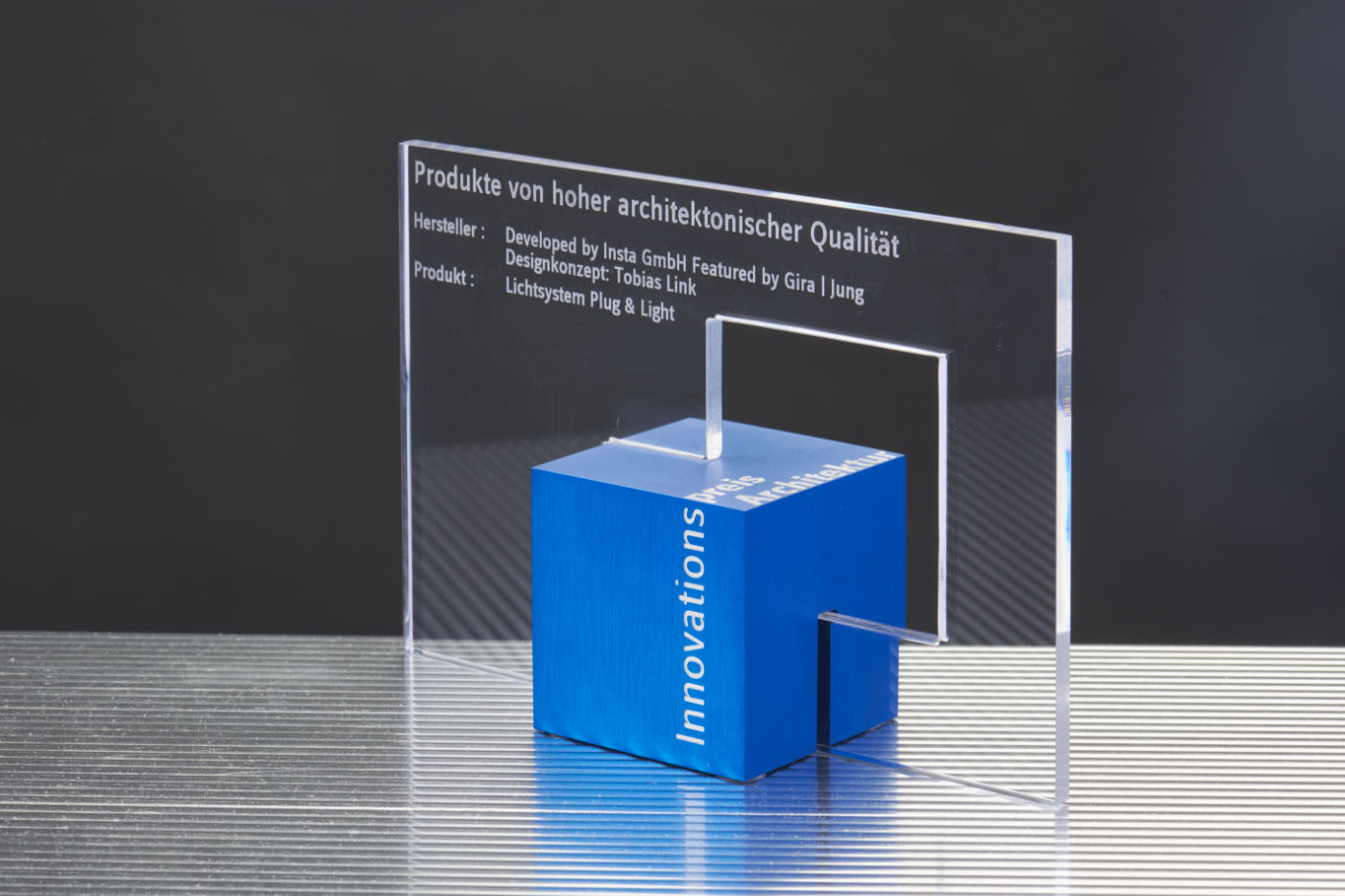
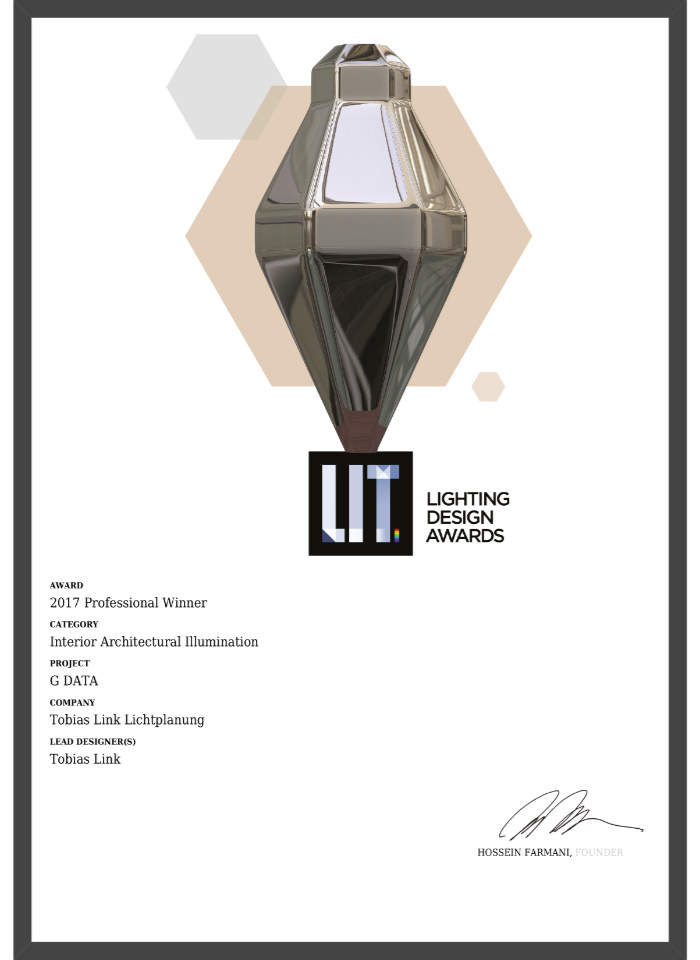
Plug & Light was awarded the 2018 Innovation Prize for Architecture + Technology by the AIT and xia Intelligente Architektur architecture journals in conjunction with Messe Frankfurt at Light + Building 2018. In addition, Plug & Light has been nominated for the 2019 German Design Award.

Photos: Gira, Jung, Insta
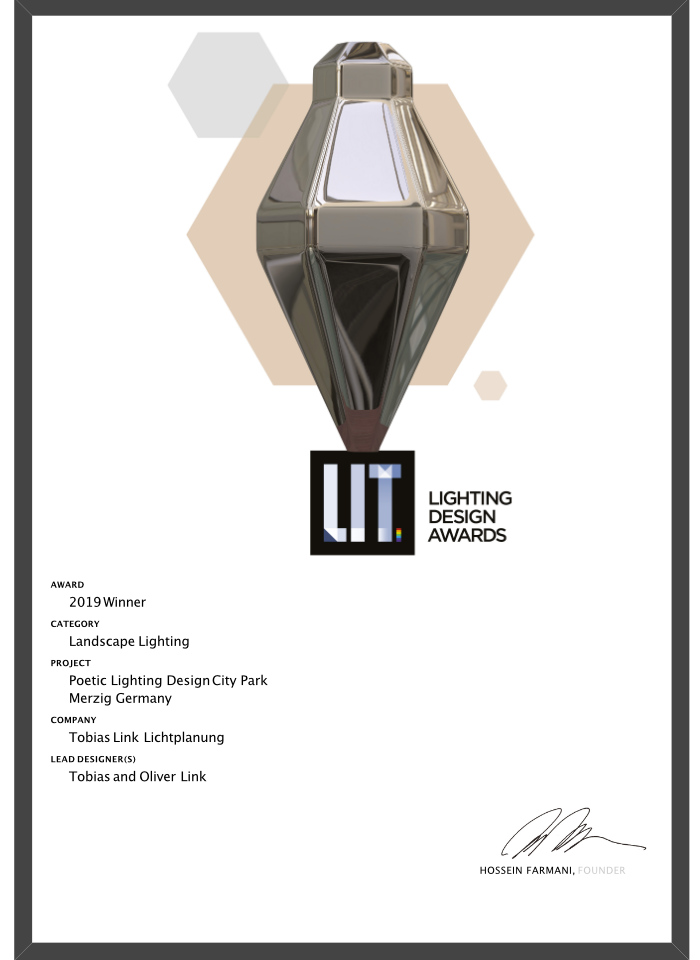
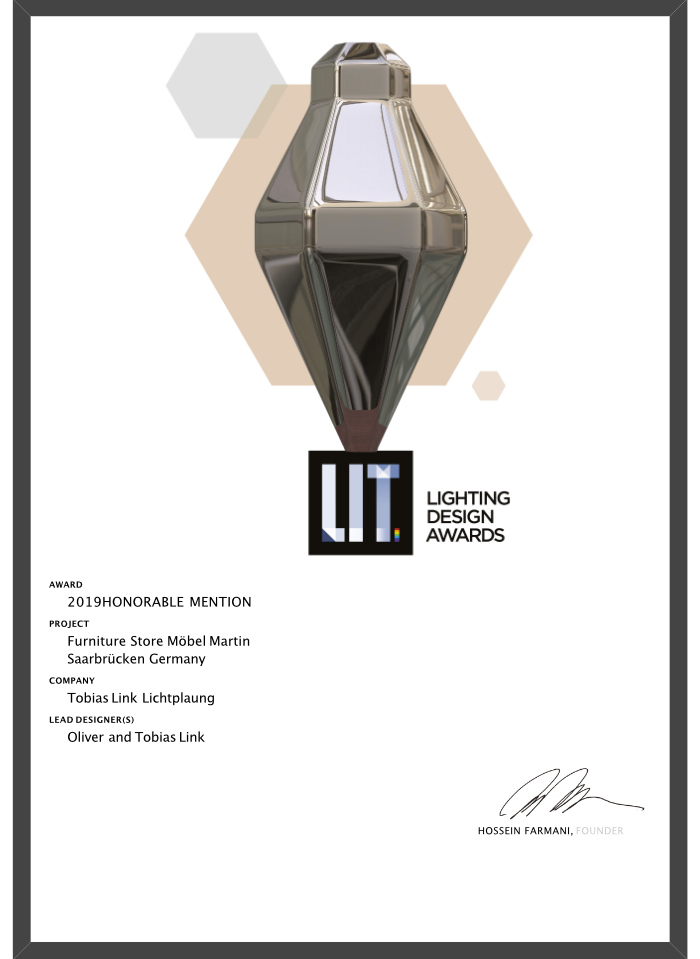
Photos of Award: Tom Gundelwein

A BRILLIANT PERFORMANCE

A lighting concept for the urban environment in a ‘shared space’ in Bertrange

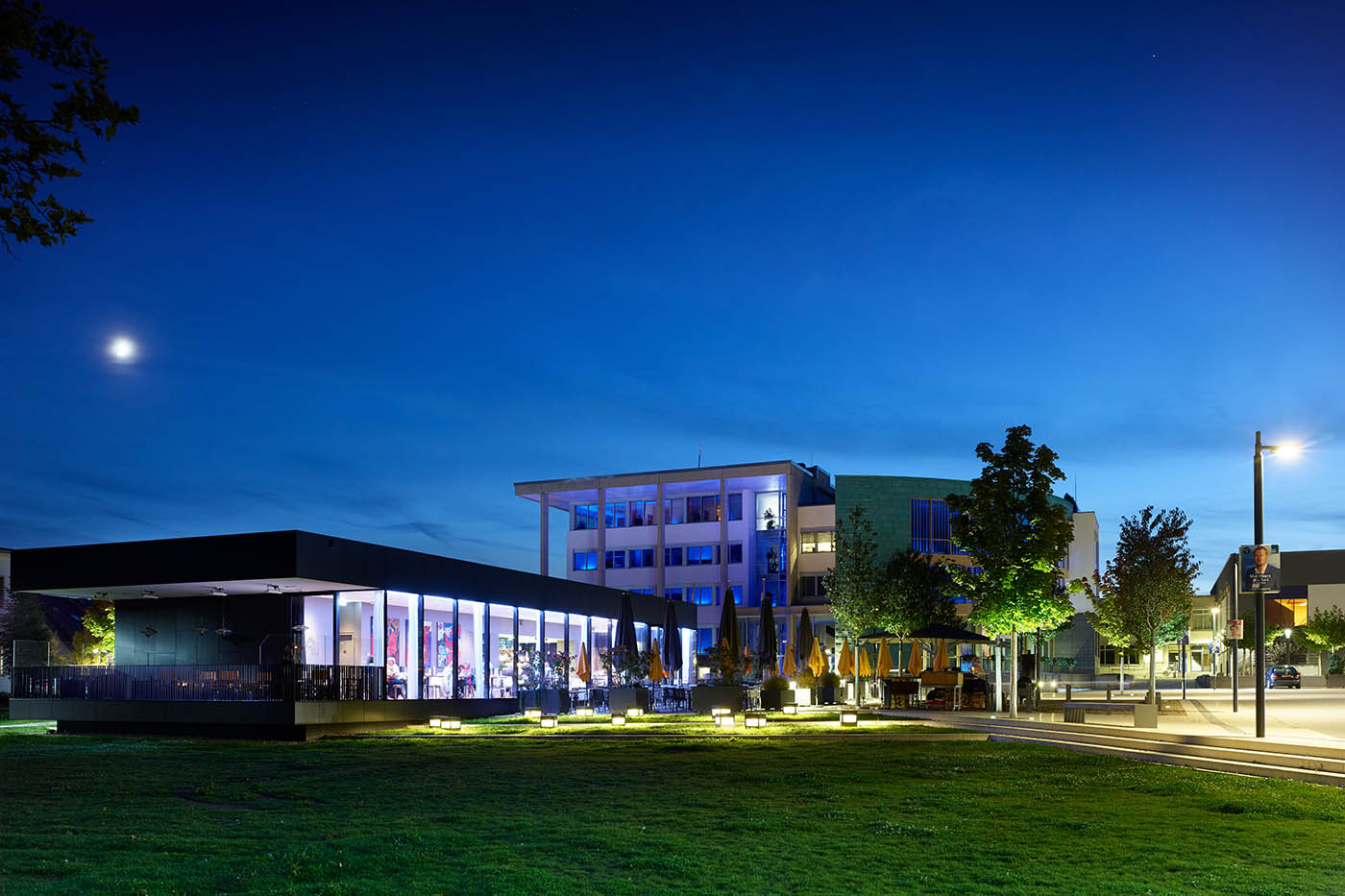
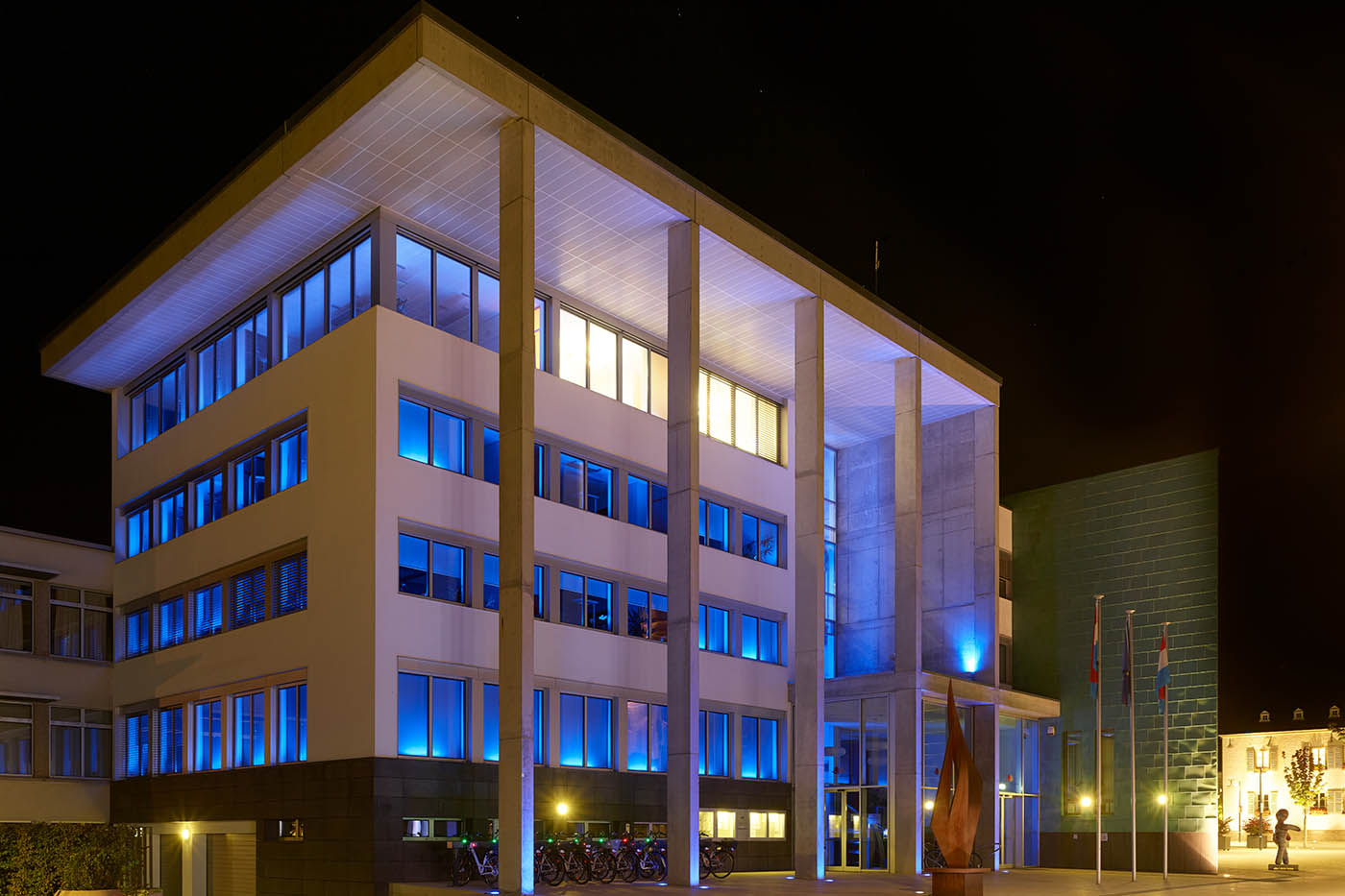
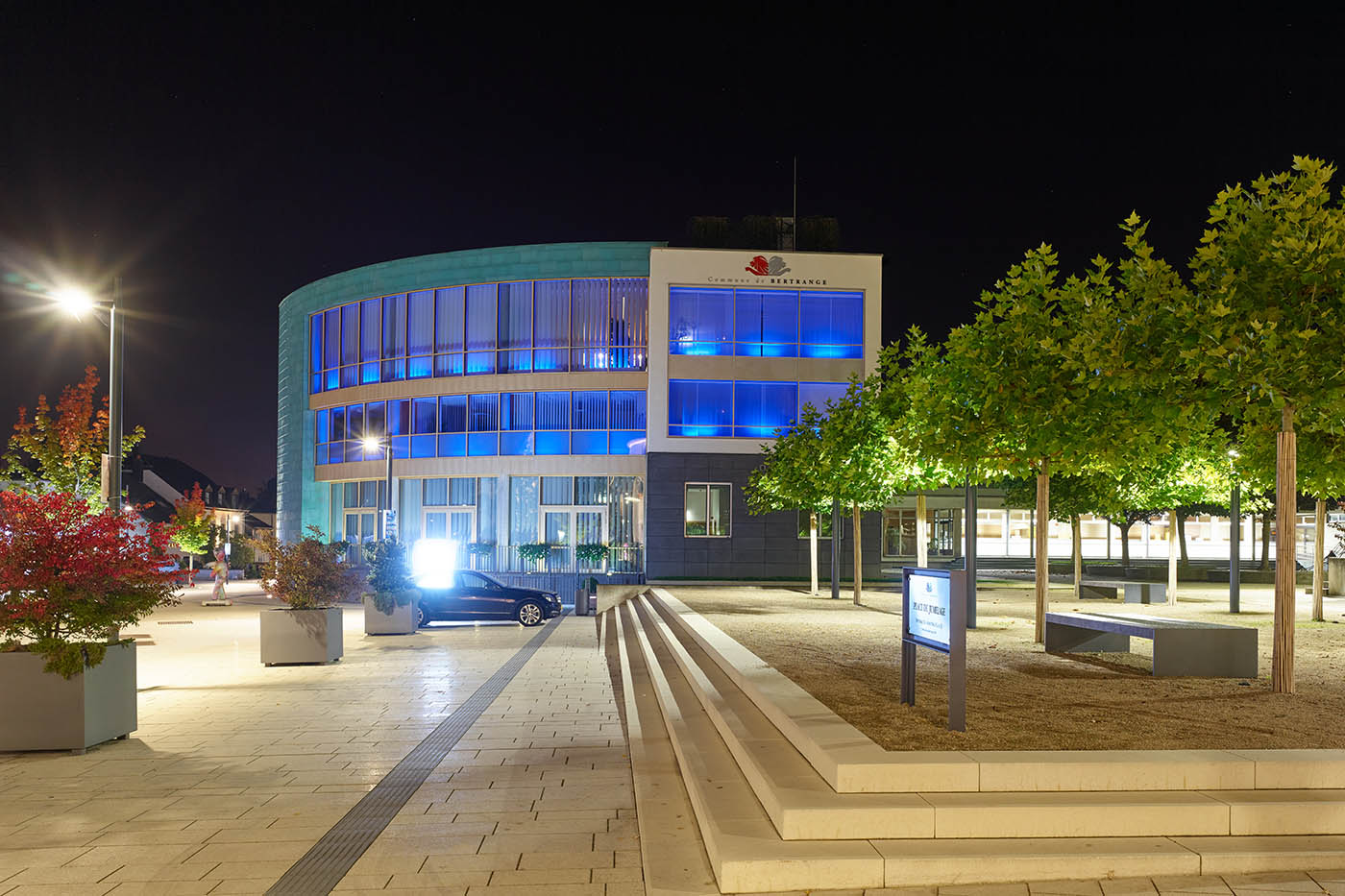
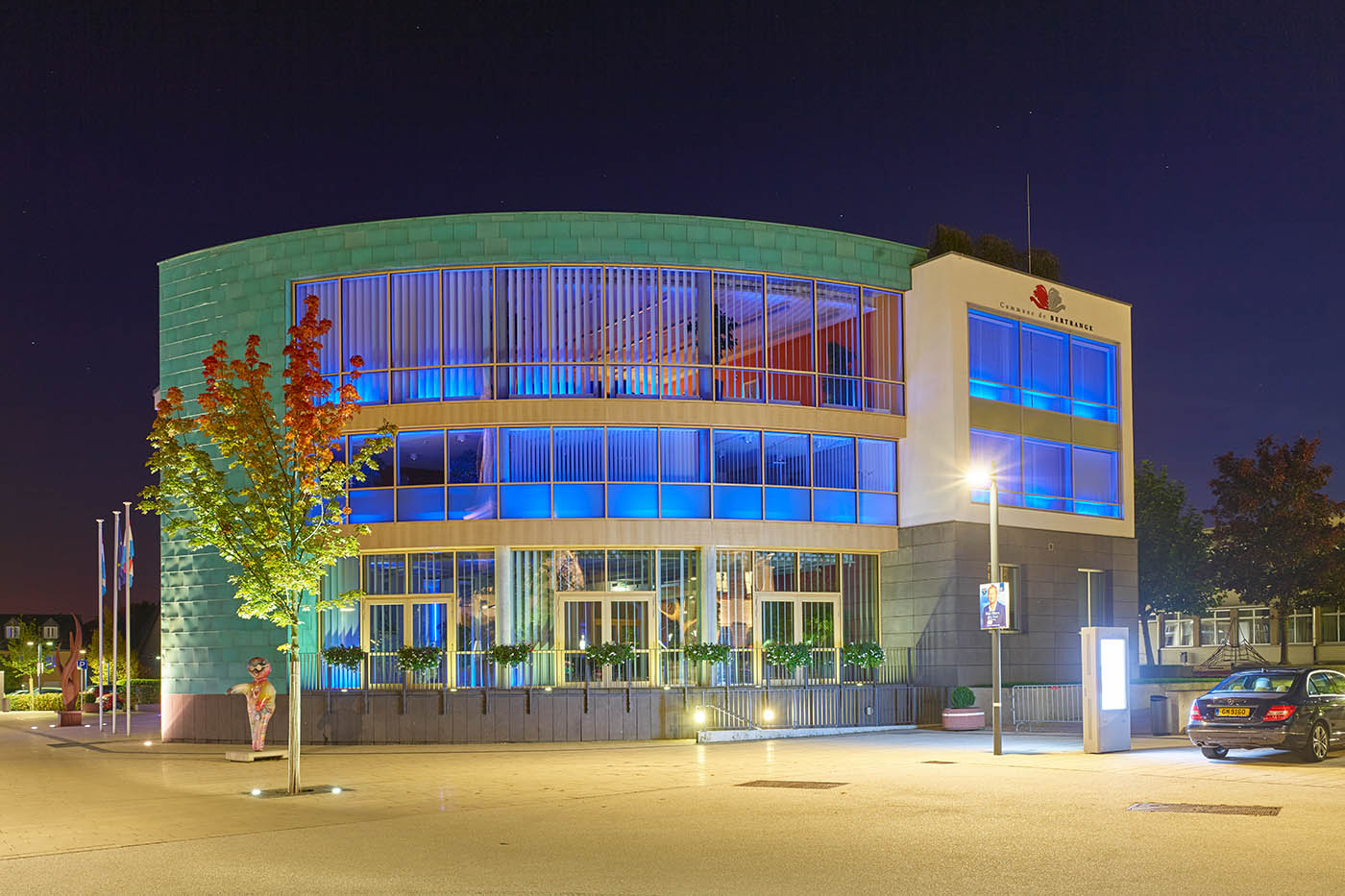
The traffic routes and usable space in Bertrange, Luxembourg were redesigned to achieve traffic calming in line with the principles of ‘shared space’ that enable all road users to share the space on equal terms. The lighting plan plays a key role in this and is based entirely on LED technology.

URBAN OPEN SPACE

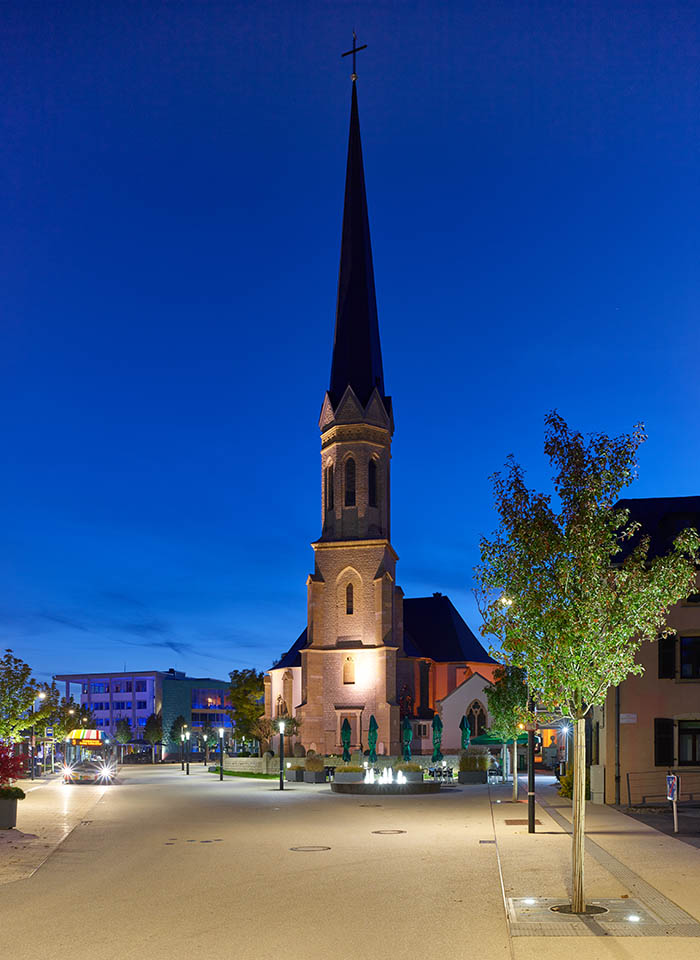
The Bertrange council applied the concept of ‘shared space’ to the town centre with the aim of reducing traffic and improving safety. This approach originated in the Netherlands and is based on all road users being equally considerate of other users, without the need for traffic signs or demarcations. Using targeted lighting of the public place has made it possible to guide drivers, cyclists, pedestrians and children alike and to improve the quality of the leisure space.

LIGHT FOR DIRECTION

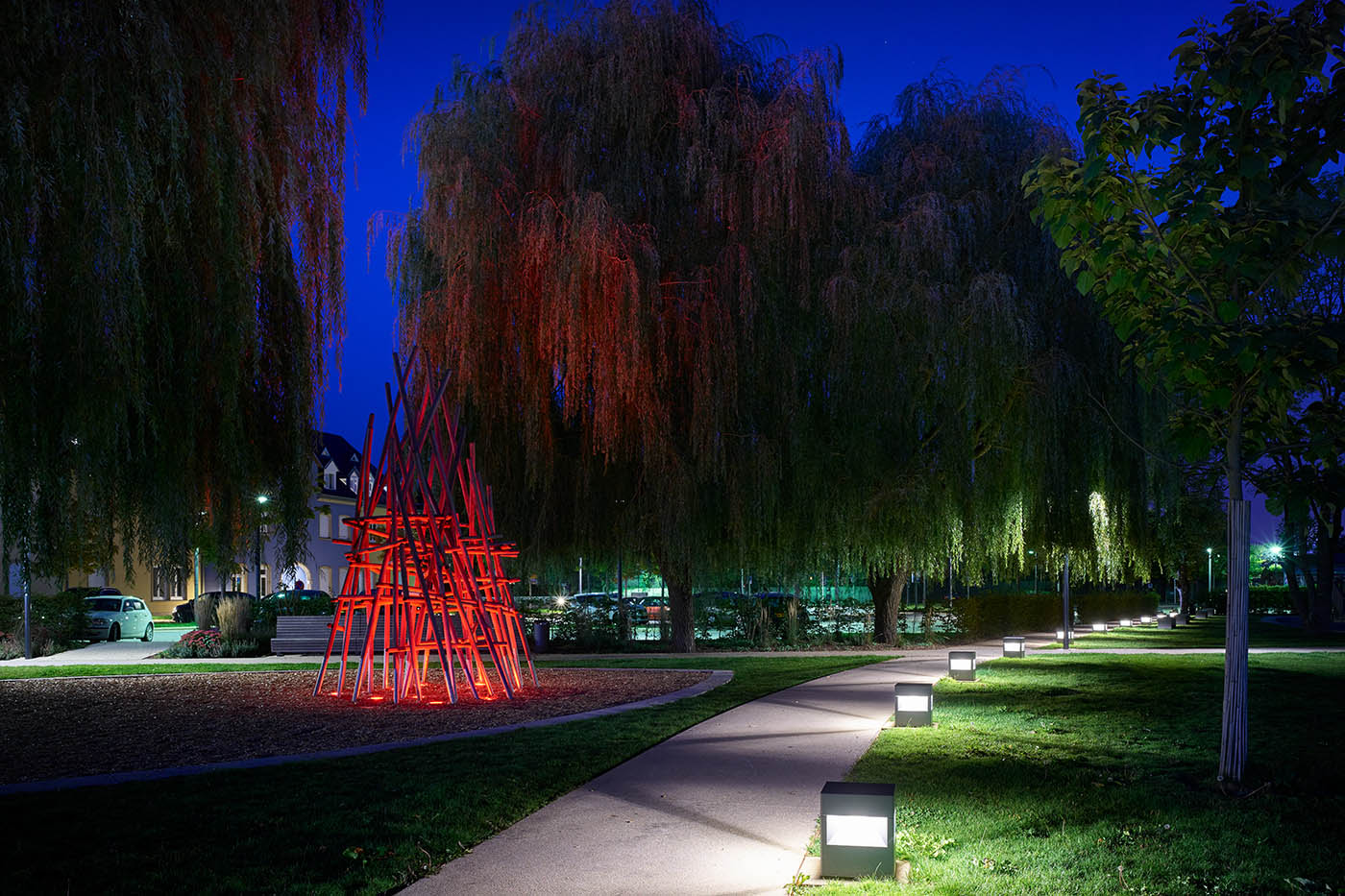
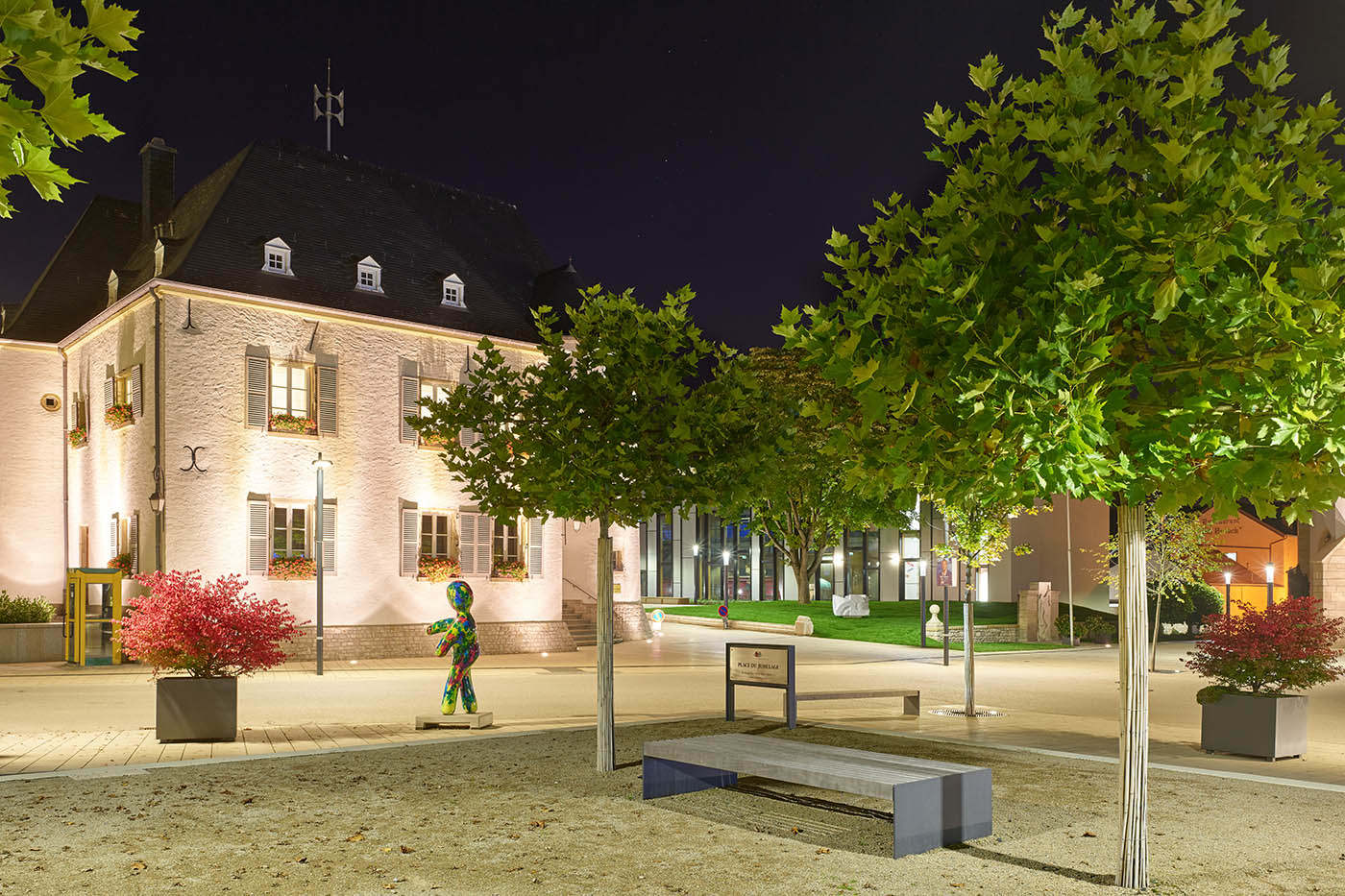
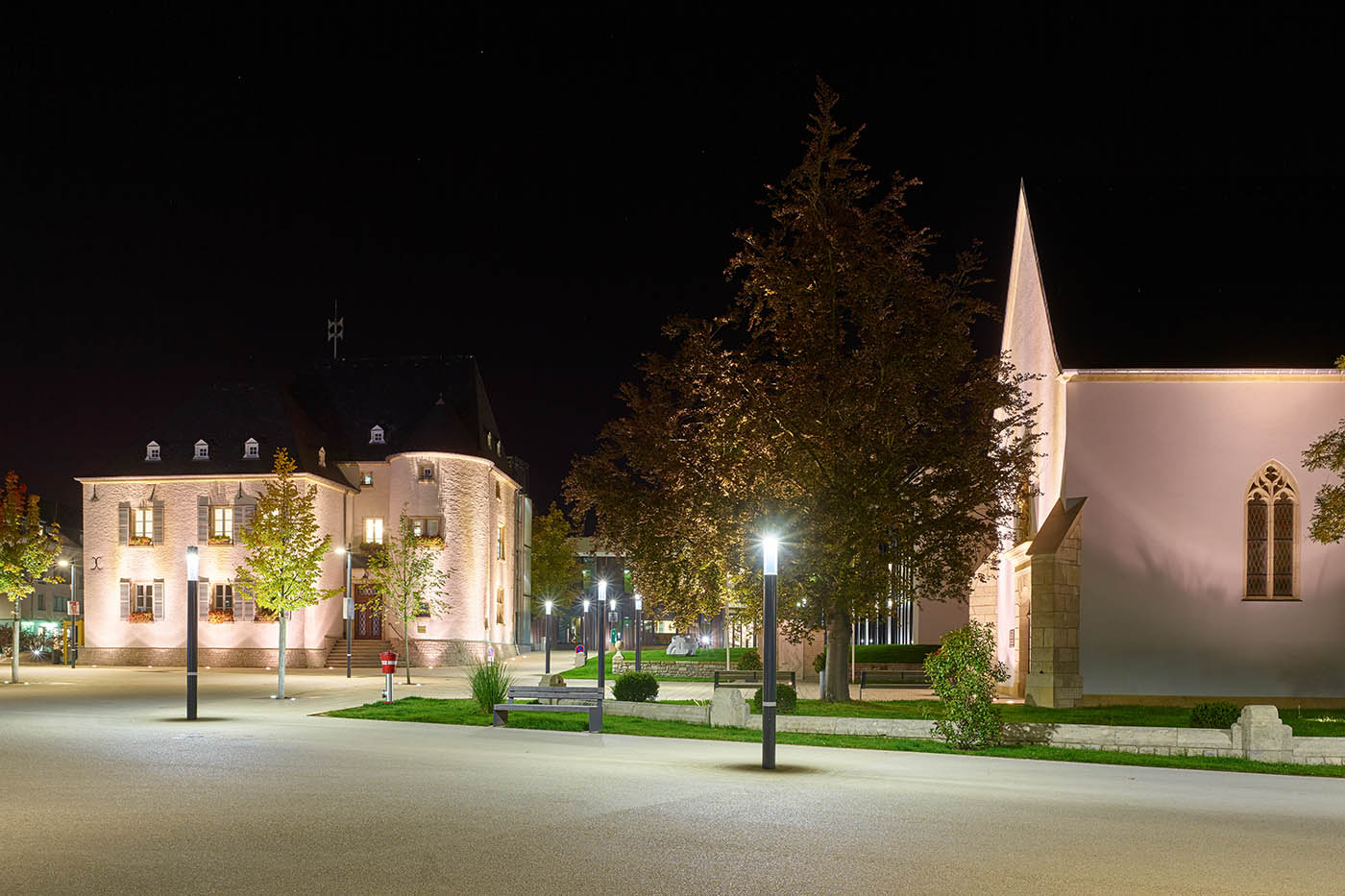
The master plan concentrated on five areas: traffic routes, footpaths in the park, parking spaces, accent lighting in changing colours for individual buildings and atmospheric illumination of historical buildings and green spaces. It is like the direction of a theatre production, with a backdrop of vertical surfaces in the form of buildings and trees and the shared space as the stage.

SUBTLE TRANSITIONS

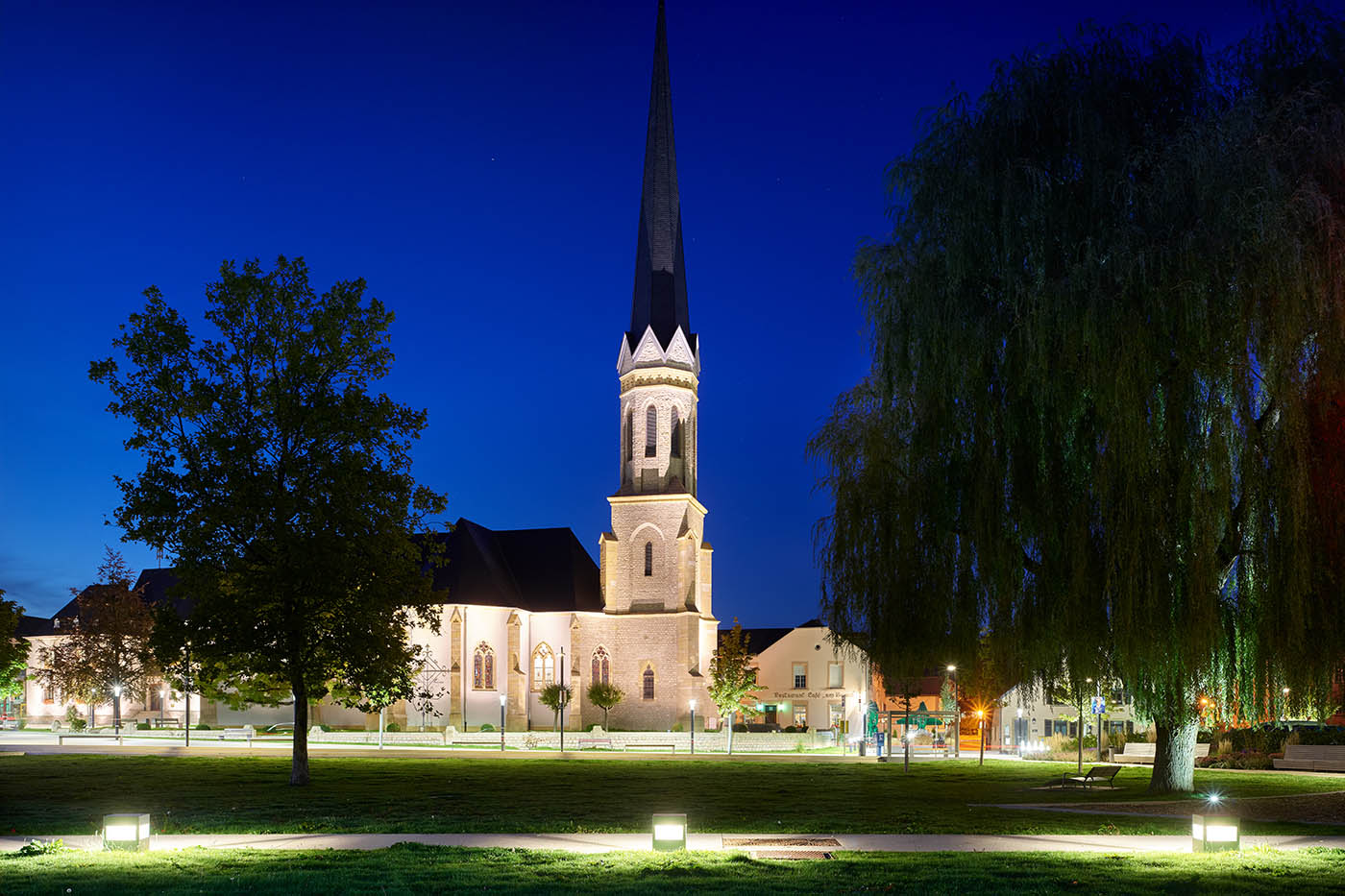
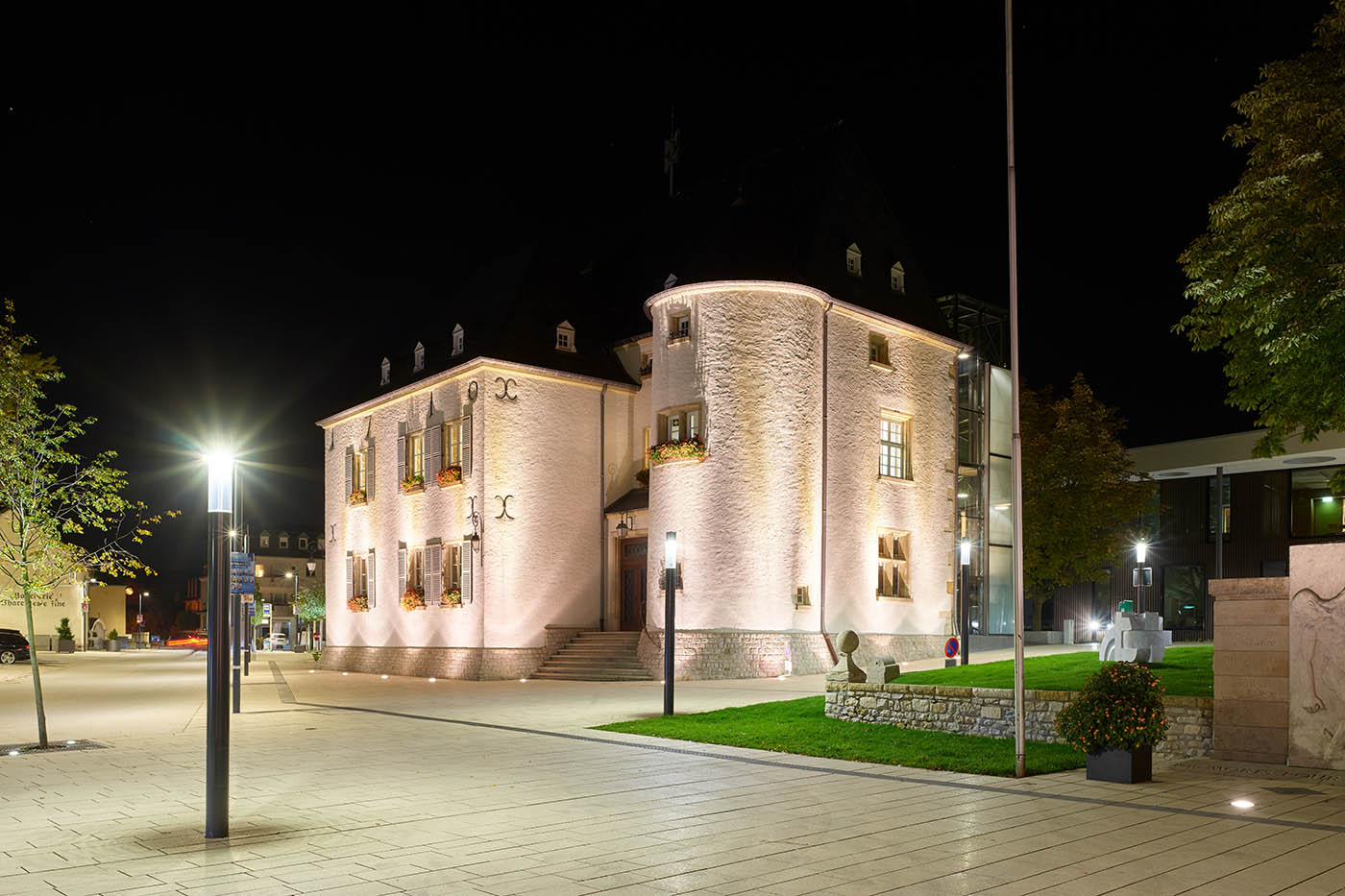
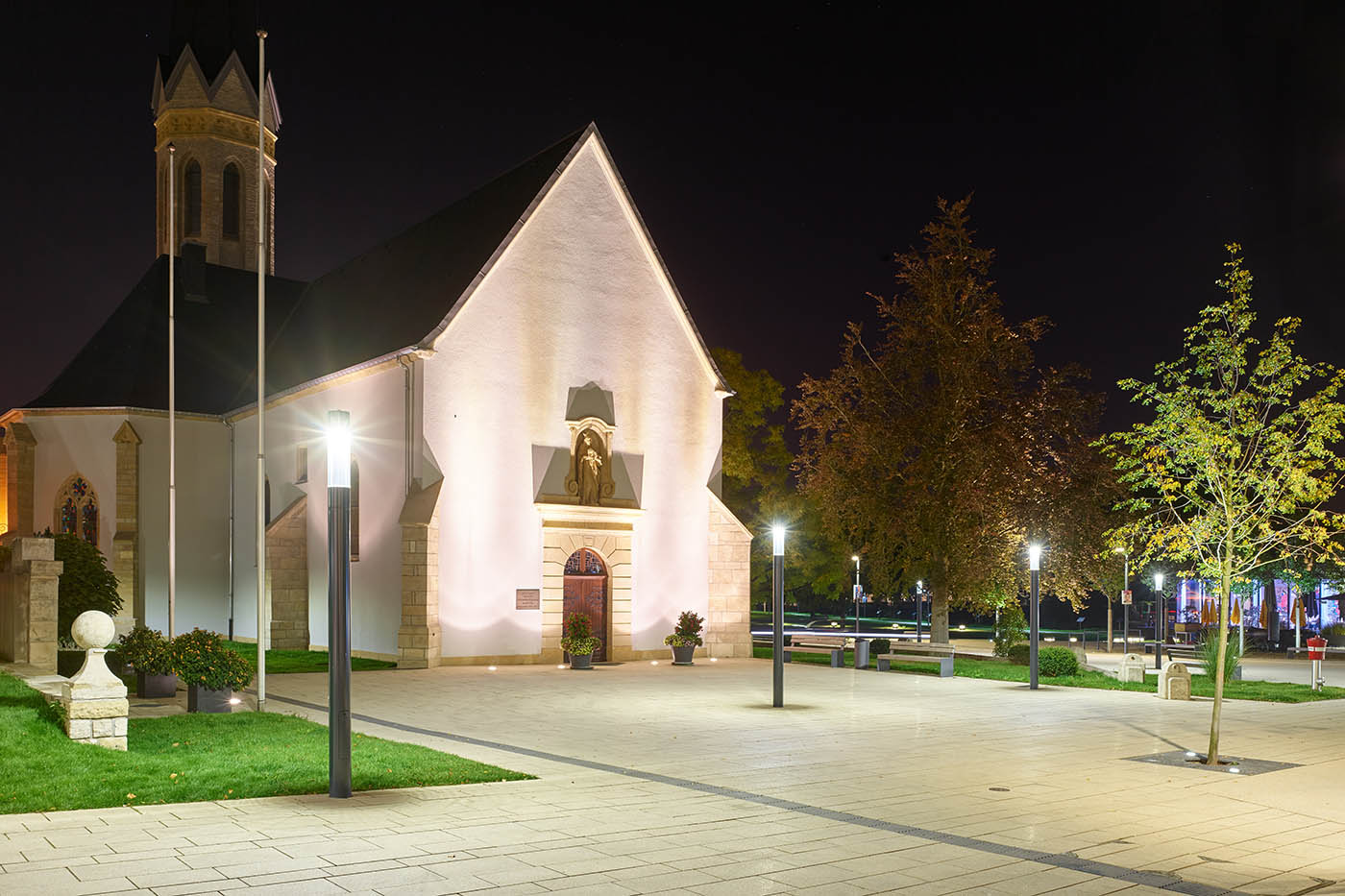
Lighting masts with asymmetric lens systems project light onto the traffic routes. Their mounting height (5 m) is lower than that of the other street lights in the district. Posts that emit rays of light stand along the side of the church; they light up the footpaths. Pale-coloured paving and the uniform illumination level of 3000 K go to create a Mediterranean atmosphere.

INDIVIDUAL PERFORMANCE AREAS

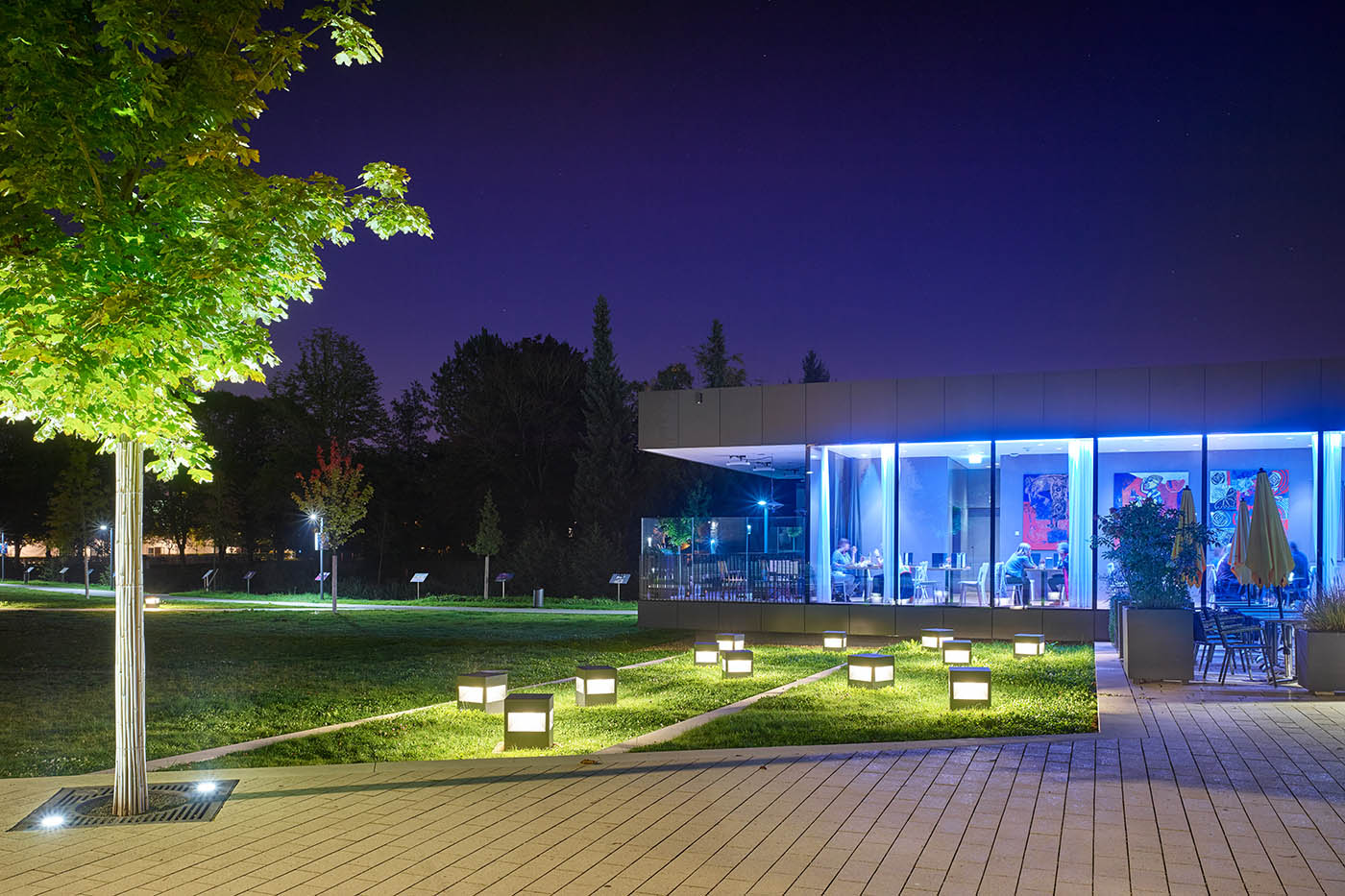
On the paths through the park, non-glare illuminated cube seats are arranged along the paths through the park, they also serve to break up the green spaces at the events pavilion, which, along with the town hall, is among the new buildings. Another key feature is the climbing frame that, once illuminated in colour at night, resembles a light sculpture. Lighting schemes in alternating colours, which change with the seasons, were designed for the town hall. Mid-range LEDs have been incorporated on the inside of the windows and provide homogeneous light in the rooms. High-power LEDs with a narrow beam project light onto the concrete columns outside. The operator of the pavilion for hosting events continues with this play of coloured light. Illumination of the historical church and Schloss Schauwenburg castle is more distinctive with sweeping warm-white light, which accentuates surfaces and detailing.

A STELLAR CAST

Lighting of the parking spaces is slightly dimmer, with narrow beam illuminated bollards and low lighting masts (MH 3.5). Only a few models of luminaire are used, making maintenance easier and resulting in a harmonious overall impression. This is how to design an urban open space that conveys a sense of safety and invites people to linger.

Photos: Tom Gundelwein
Aerial View: Marc André Stiebel

CUTTING-EDGE LIGHT

Dynamic lighting design as a communications concept at G Data

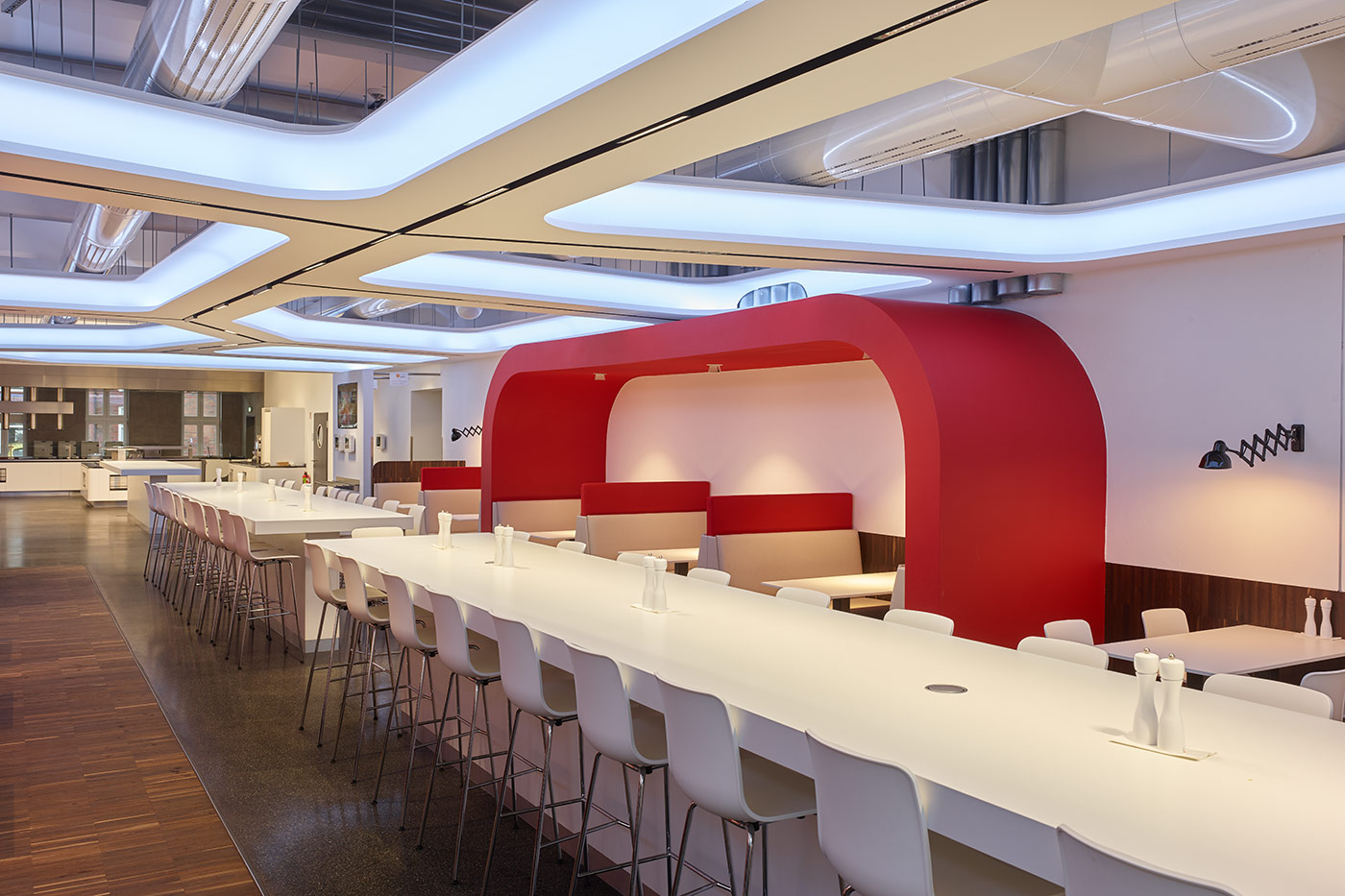
G Data Software from Bochum has designed antivirus software for over 30 years. The lighting in the reception area, canteen and events space is based on an intelligent network structure, reflecting the firm’s key business.

LIGHT CREATES IDENTITY

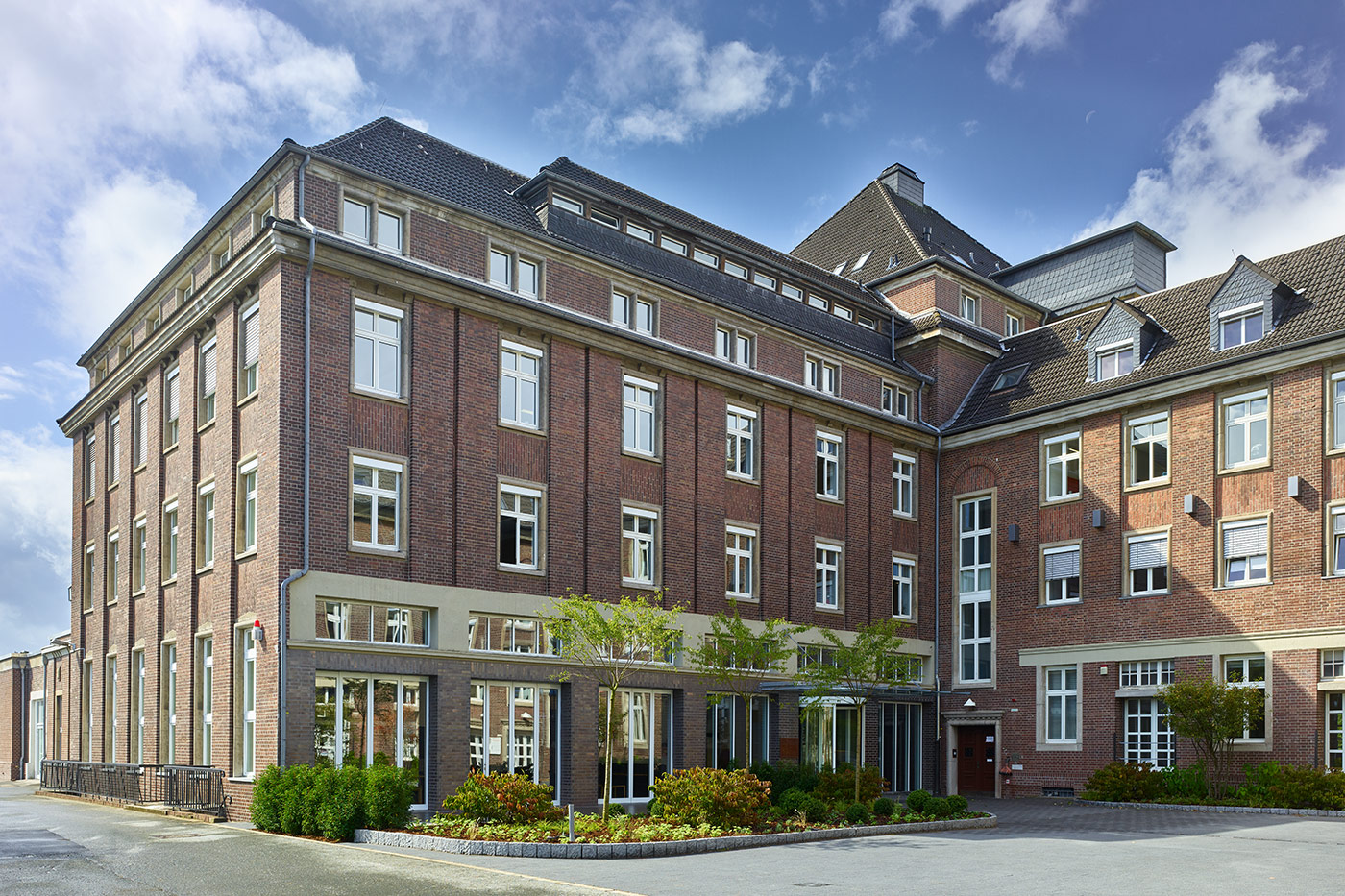
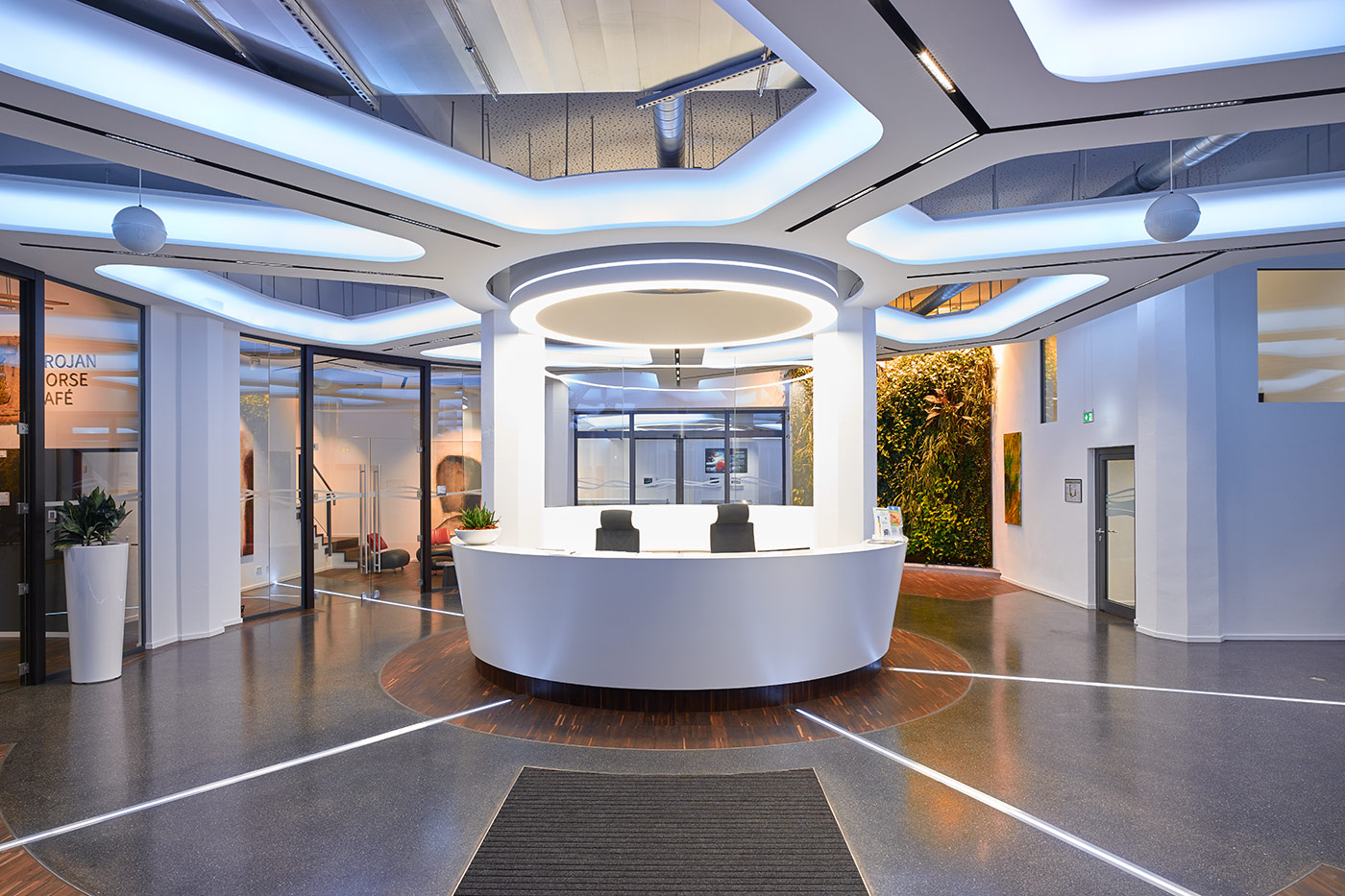
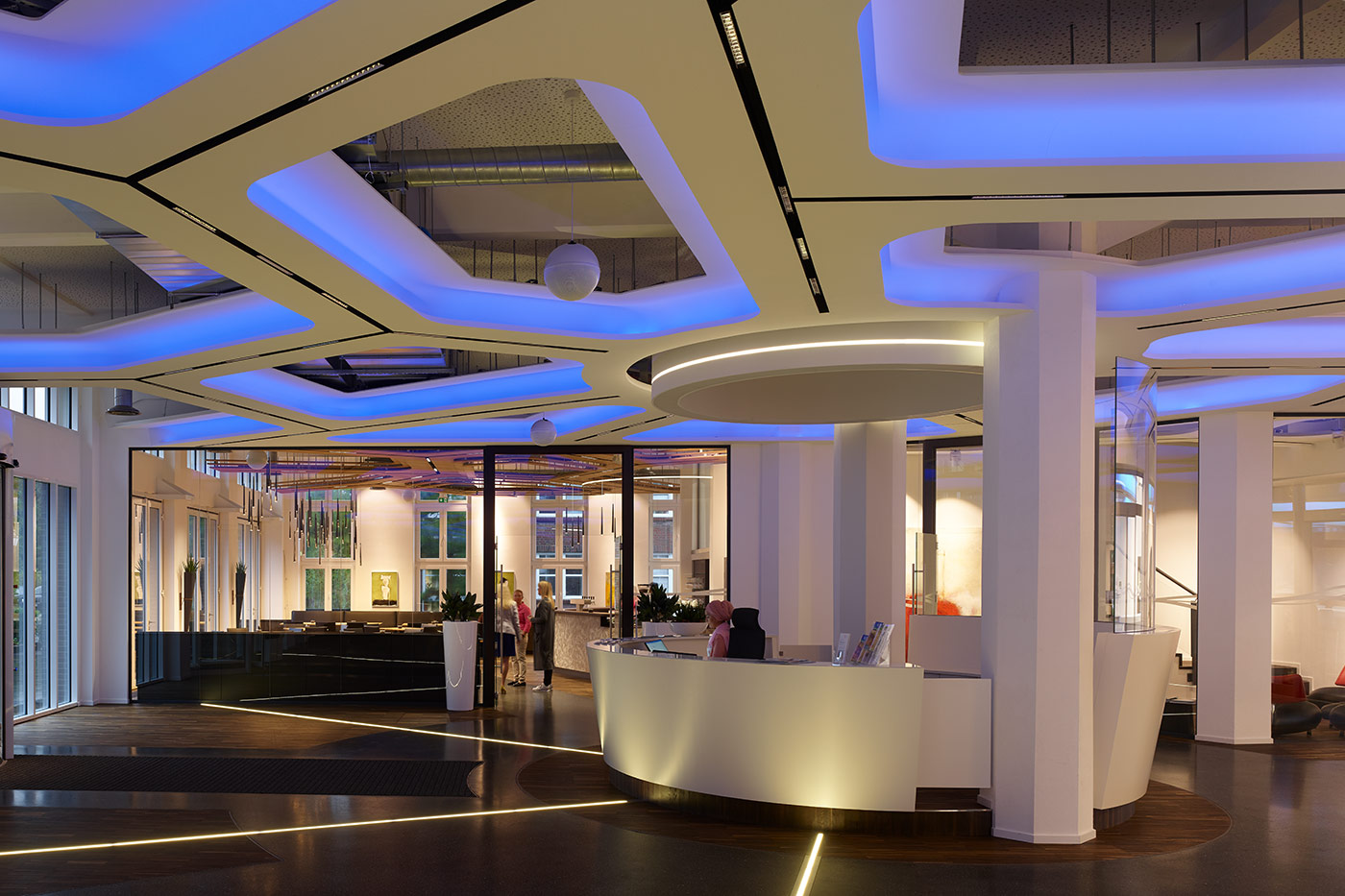
G Data’s head offices are on an former industrial site; the central entrance into the main building houses the reception with a counter. The firm’s core business is the development of IT security systems; this was the starting point for the design approach in order to come up with a functional and representative lighting plan.

VIBRANT CONNECTION

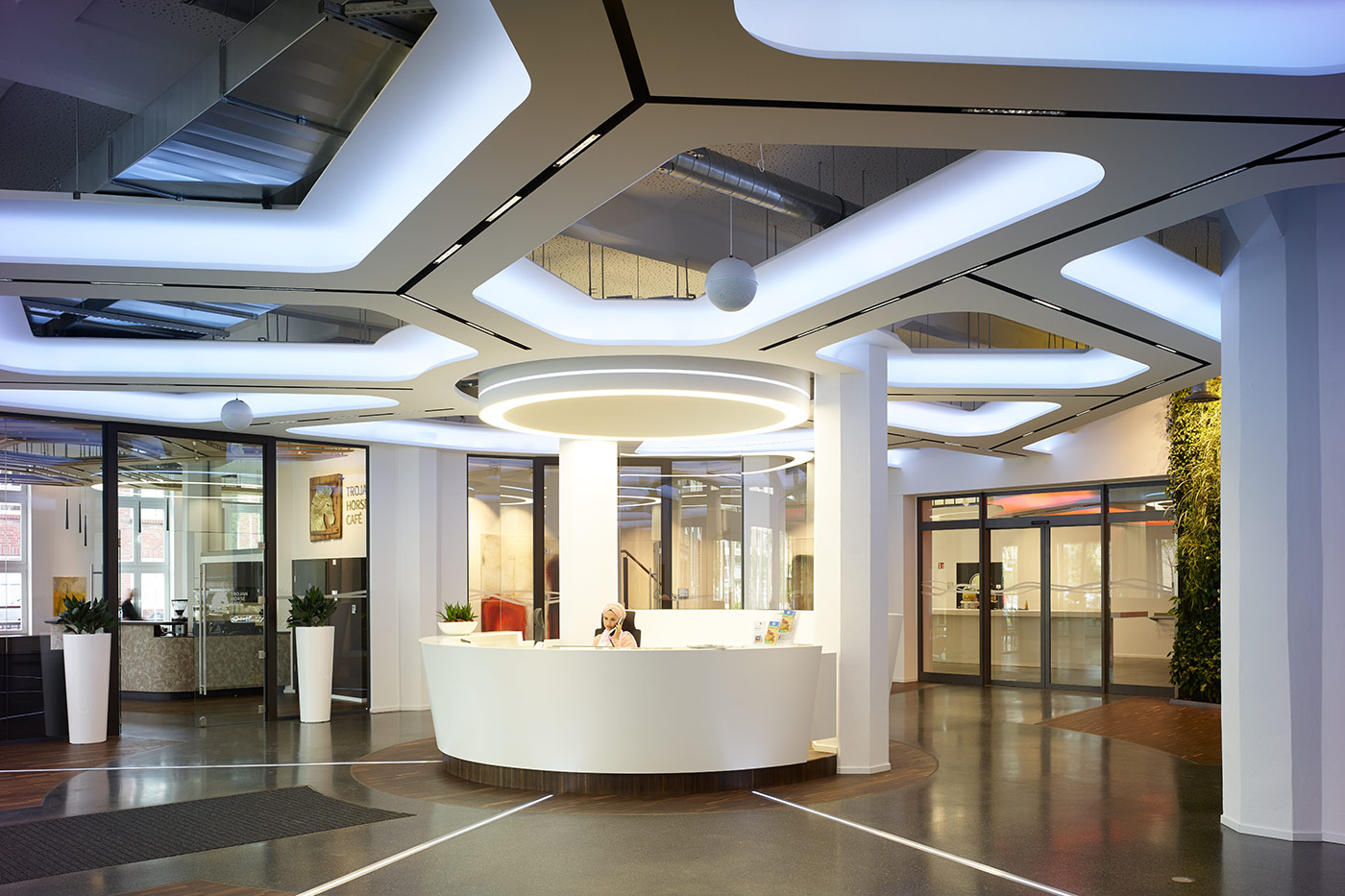
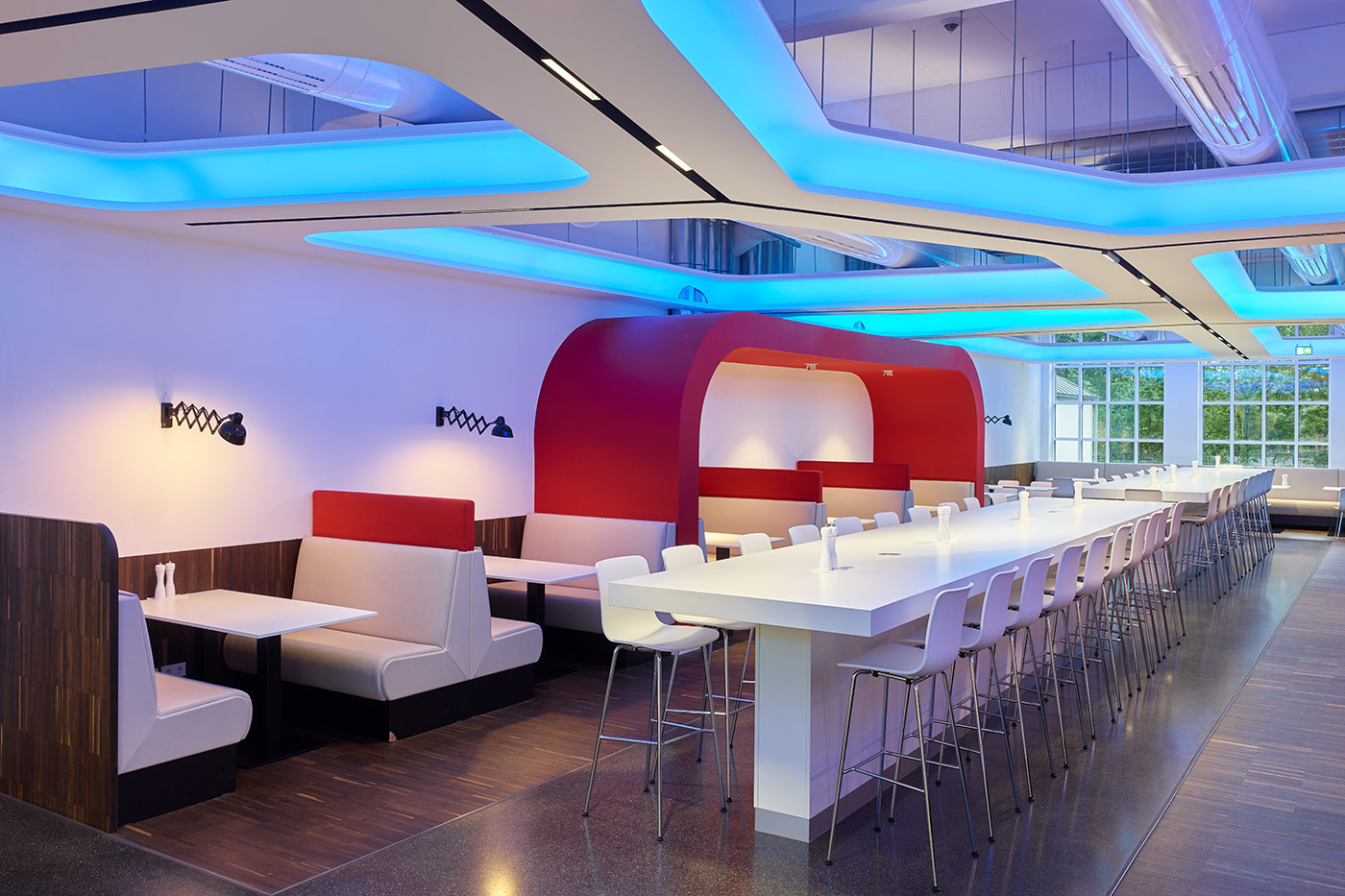
At the time the contract to create a lighting concept was awarded, the ceilings were entirely clad with sound proofing. They were replaced by a new layer, which appears as an open grid linked by individual cells. An abstract World Wide Web depicted by using complex general lighting and energising lighting schemes.

LIGHT AS AN INDICATOR

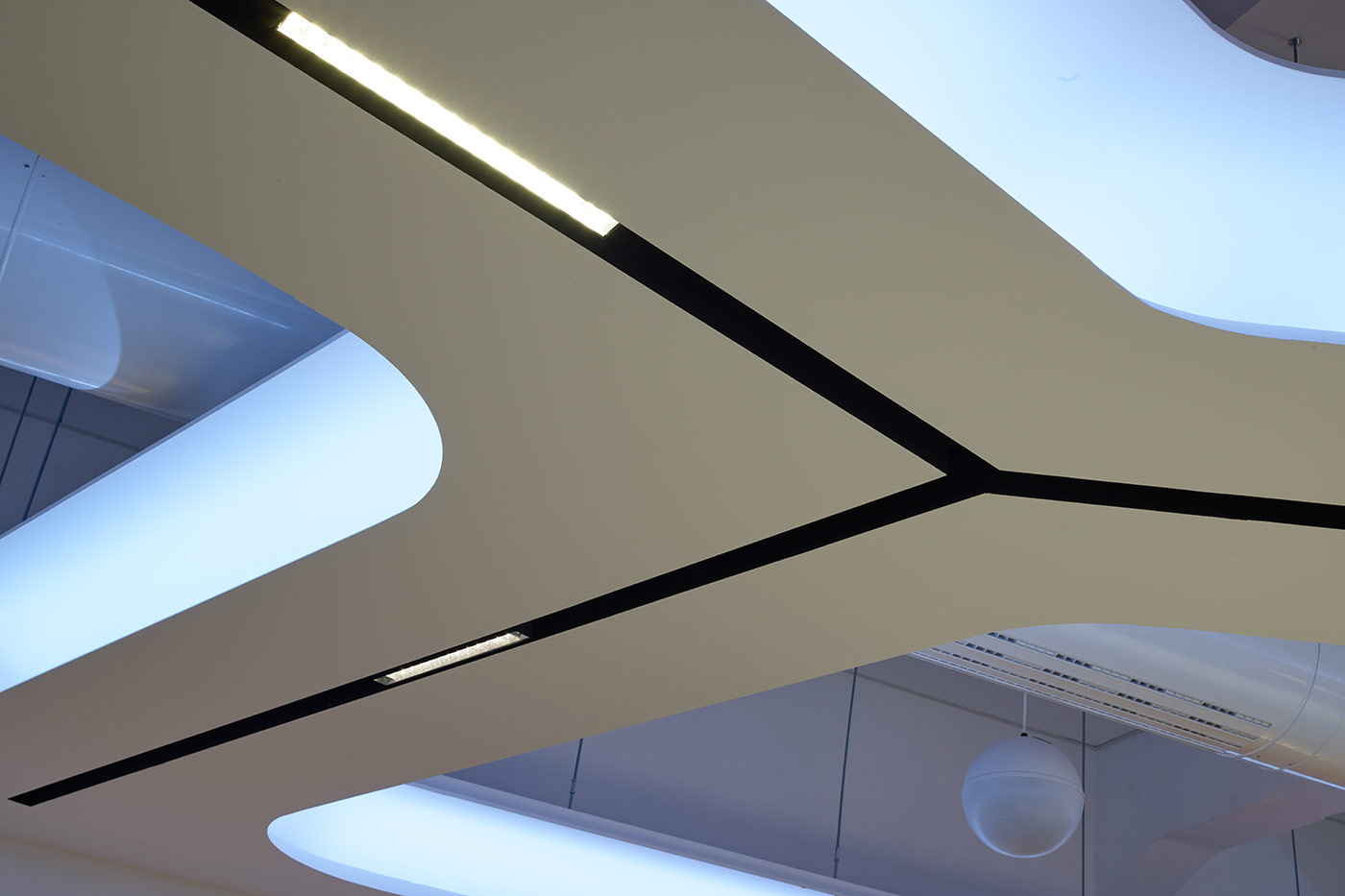
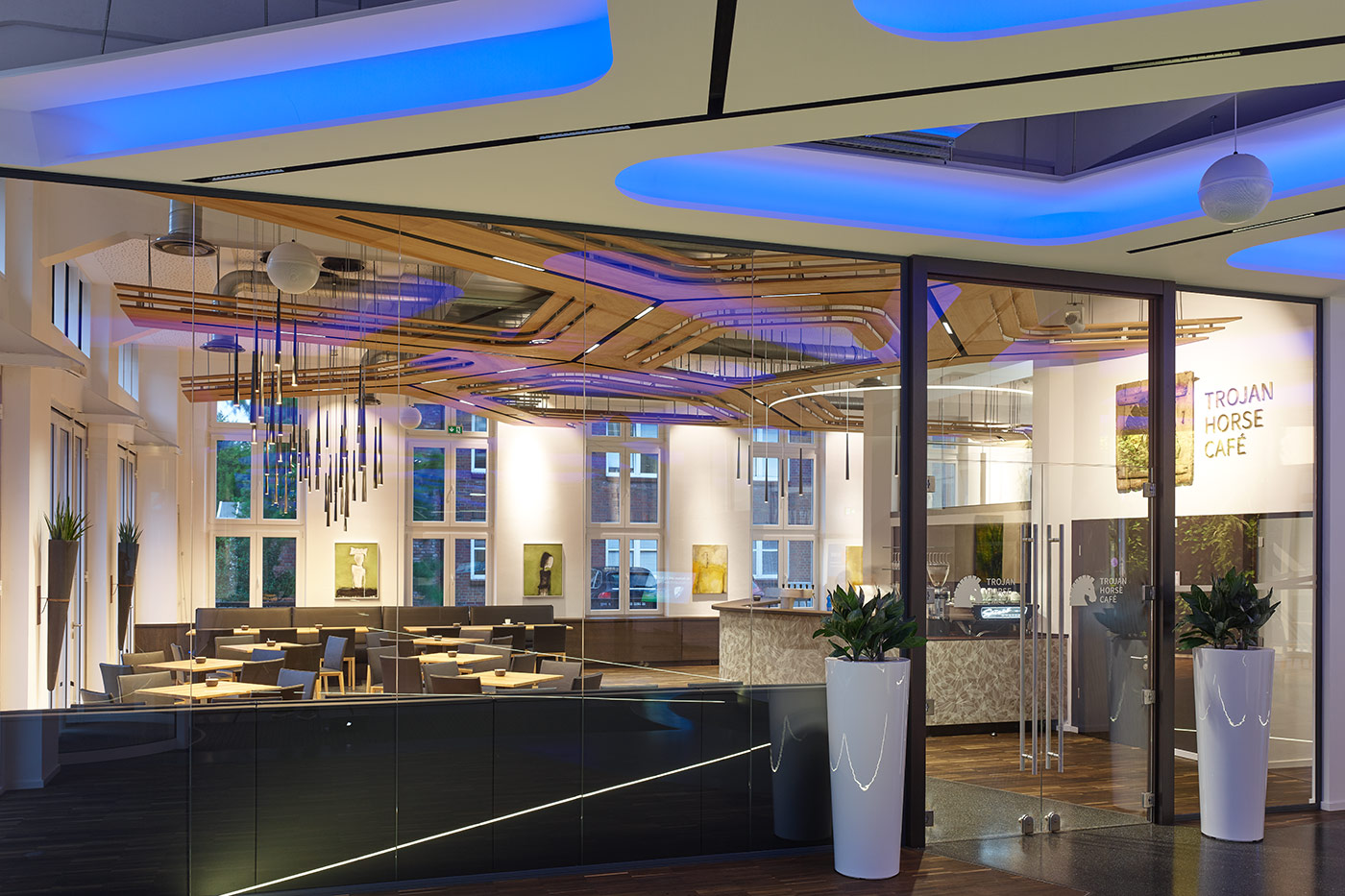
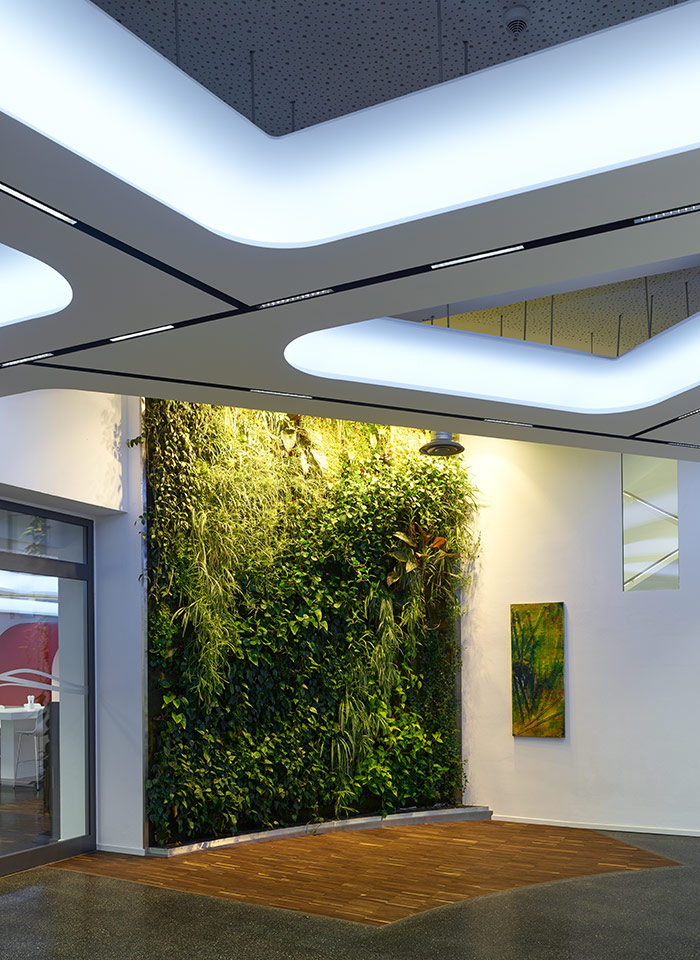
The white network structure in the reception area describes a striking architecture constructed with custom-designed moulded parts made from plasterboard . They supply two fundamental lighting components: indirect and direct light. The rounded honeycomb structures serve as cornice lighting; they provide the indirect light with integral rows of RGB LEDs and the colour temperature can be adjusted. A 4-cm-wide light channel runs along the linear axes, through which direct light with two beam angles is generated. Highly efficient tunable white LED lights are used here, the colour temperature of which can be regulated. Star-like lines of light also radiate across the floor towards the counter.

VISUAL STATEMENT

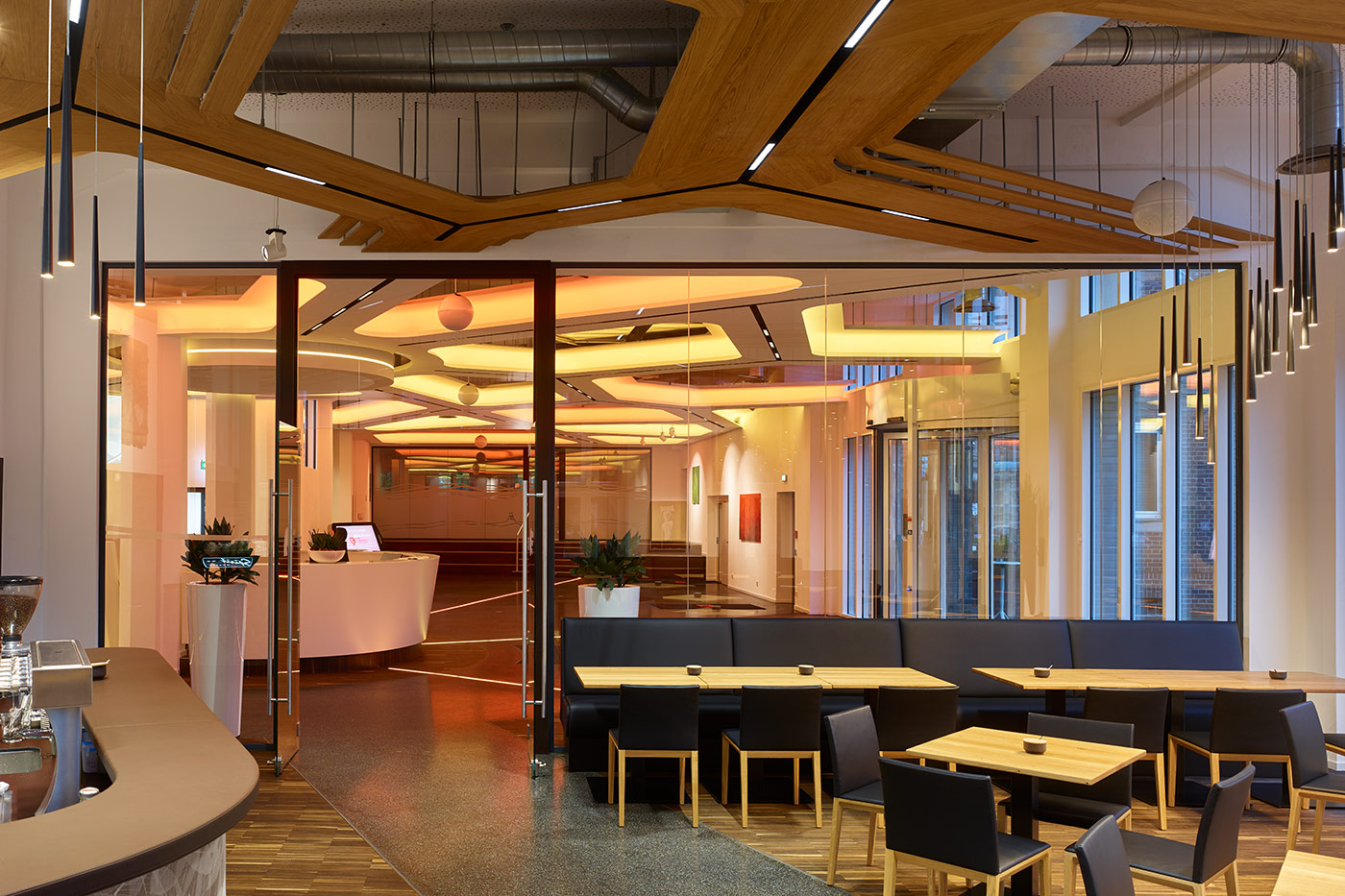
The three-dimensional ceiling sculpture leads from the reception area to the canteen in a modified form as stepped wood facets. The structure appears to float light as a feather and creates a homelike atmosphere; slender pendant lights are used for selective accent lighting and deliberately break up the branching structure.

FOCUS ON THE INDIVIDUAL

The user-friendly controls provide for four different lighting schemes: a natural light setting, which is sent information via an external sensor and transmits it into the inside; two party settings with changing colours, which use saturated colours in warm or cooler shades, as well as task lighting for cleaning and maintenance work. The lighting system operates biodynamically, by adjusting to the natural light and supporting people’s natural day/night rhythm in line with aspects of human-centric lighting (HCL).

MULTIPURPOSE APPLICATION

Cubic exterior lights are used in the events hall. They emphasise the sober industrial architecture, can be dimmed separately and the colour temperature can be varied. General lighting for training courses and lectures as well as changing coloured lighting moods breathe fresh life into the room as needed.

Photos: Tom Gundelwein

ENERGISING WHITE LIGHT

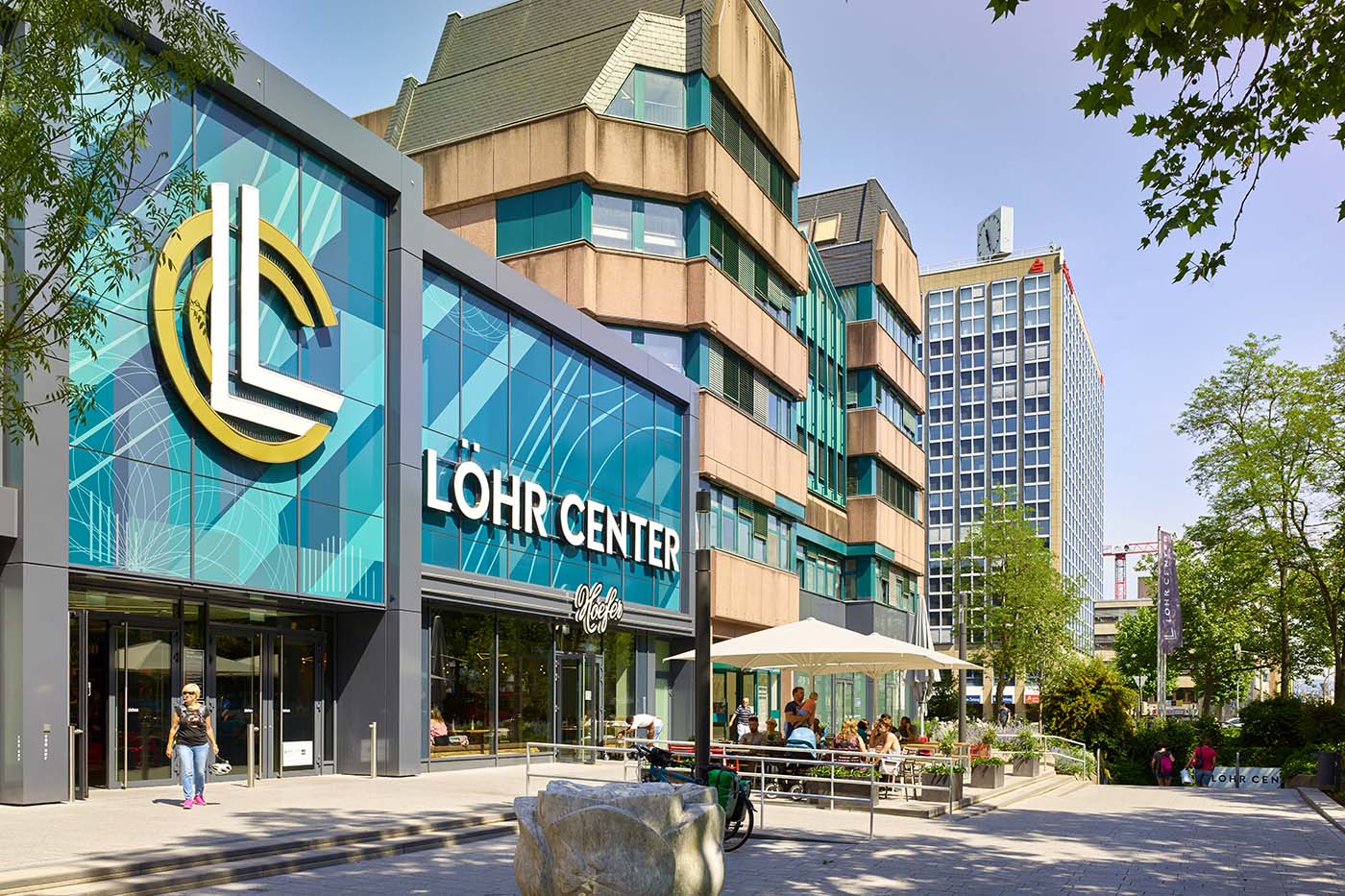
The Löhr Centre in Koblenz creates atmosphere with tunable white

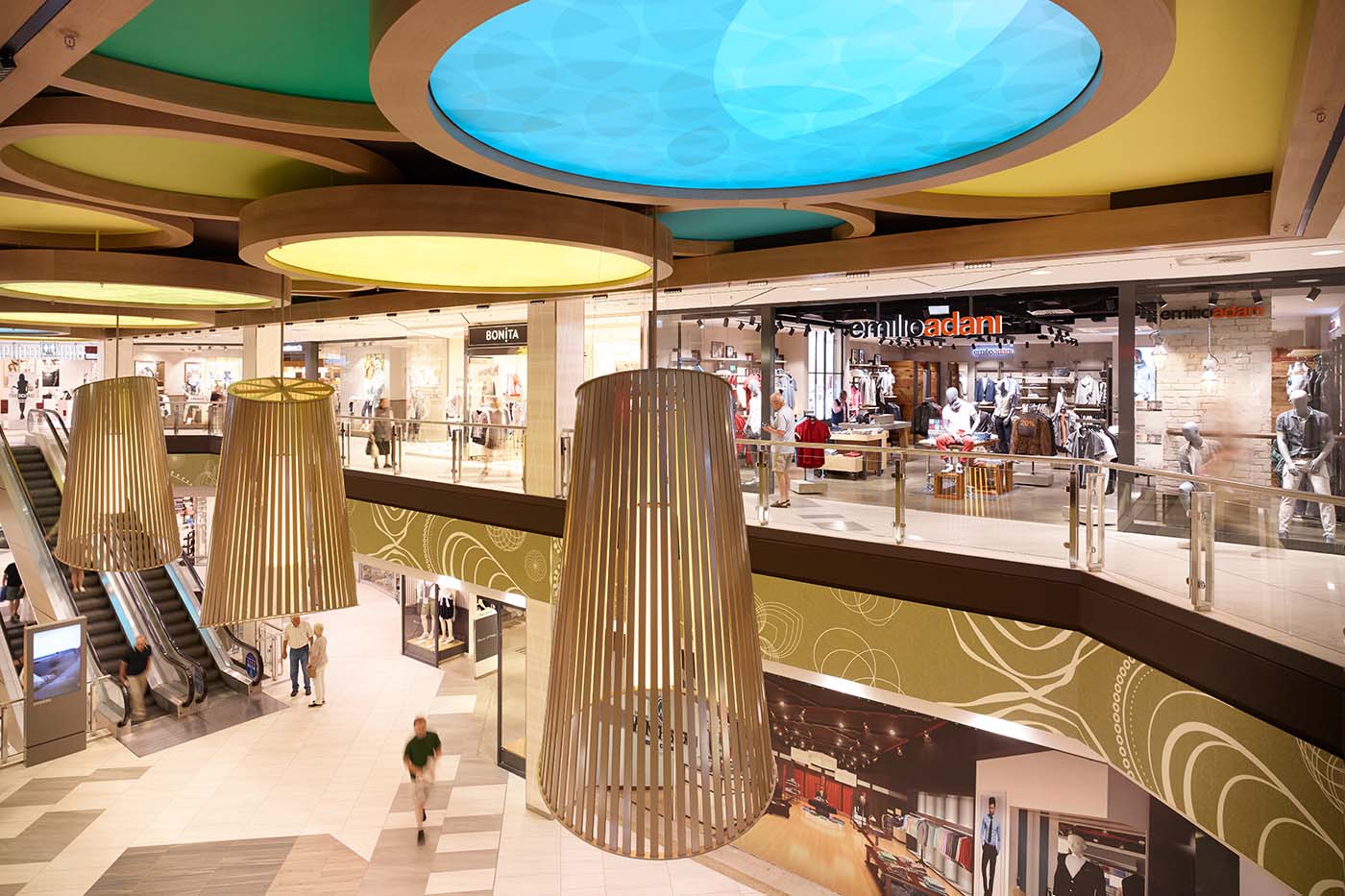
The Löhr Centre in Koblenz is one of the largest inner-city shopping centres in the Rhineland Palatinate. It was renovated by ECE as it had been in operation for over 30 years. A fundamental element of the refurbishment was a comprehensive lighting and colour concept.

LARGE PROJECT, NARROW TIMEFRAME

An initial draft of the lighting design for the Löhr Centre, which opened in 1984, was created in 2014, when partial modernisation of the 32,000 sqm sales area was planned. In March 2016, ECE decided to renovate all three floors, where around 130 shops are located today. The lighting plan had to be completely revised by the time of reopening in spring 2017 and finished while the shopping centre was open for business.

THREE ATRIUMS PROVIDE STRUCTURE

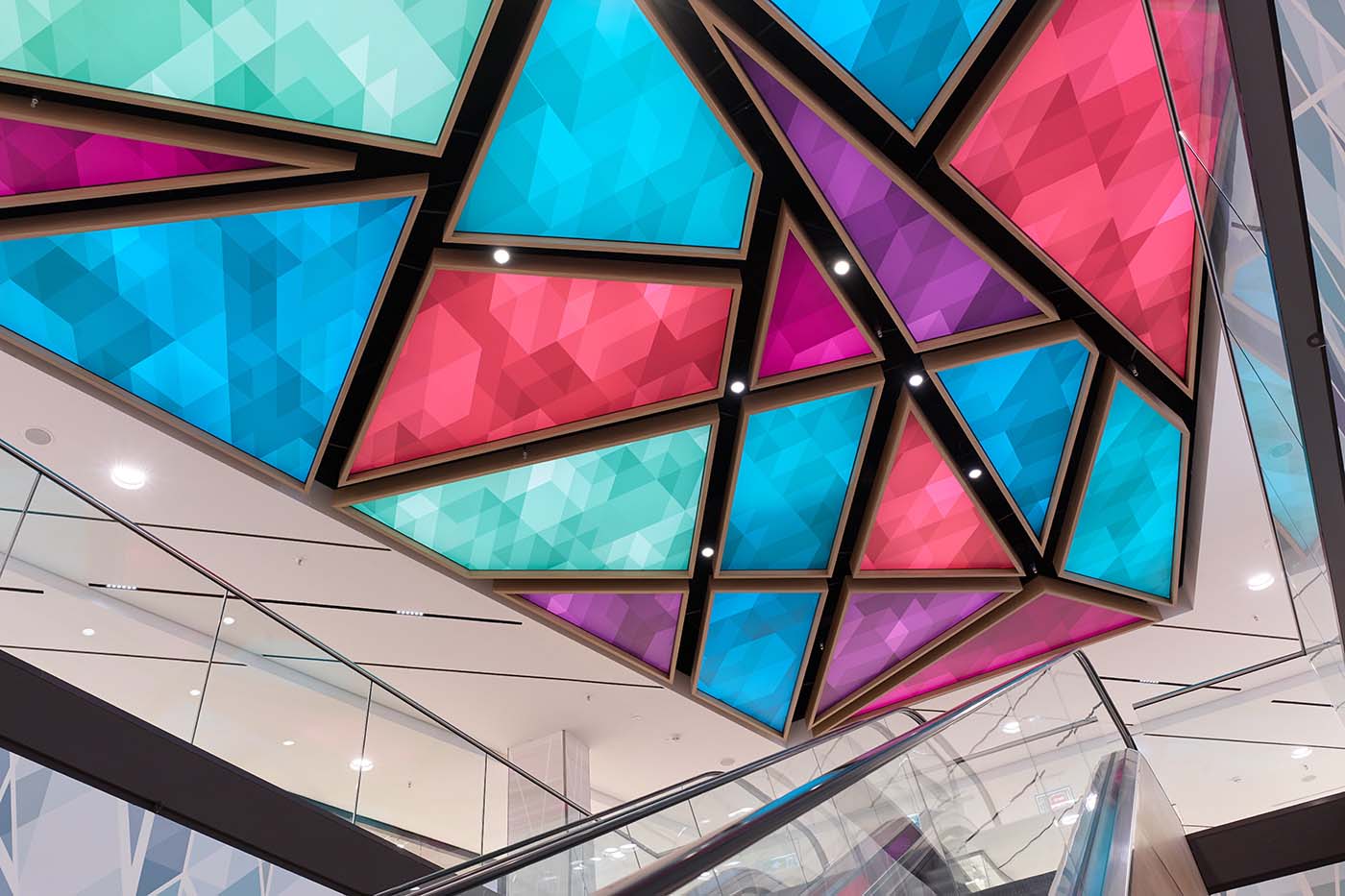
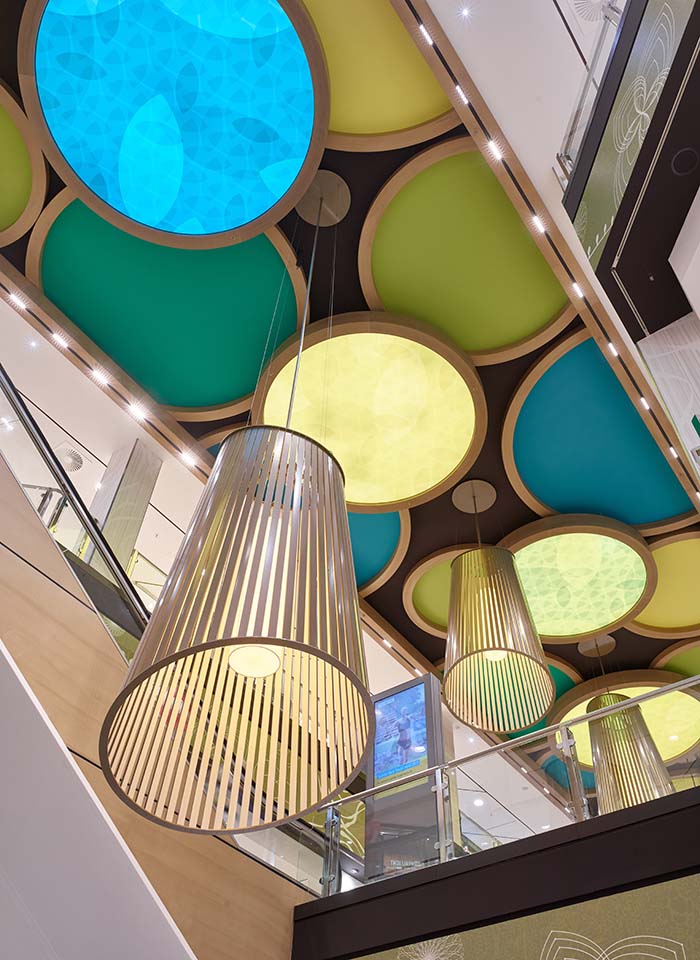
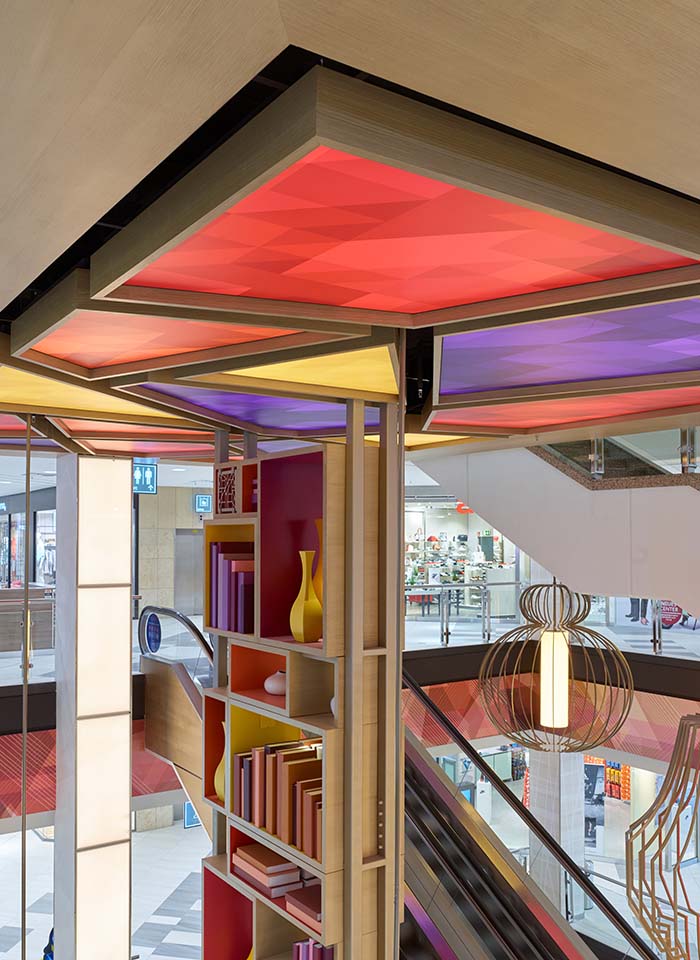
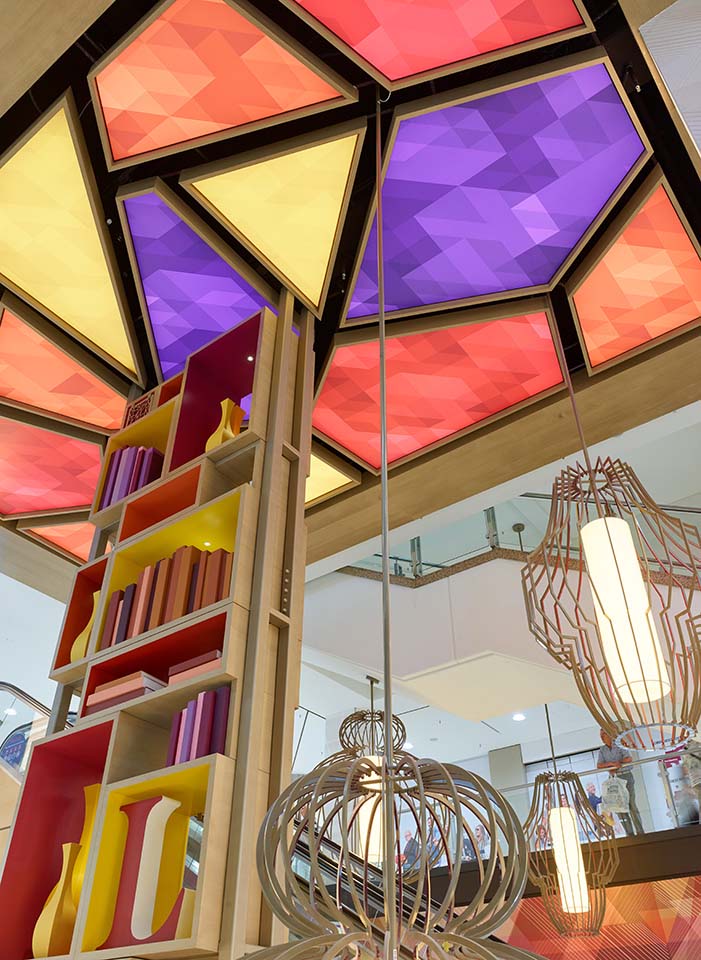
As part of the relaunch, a new interior design was chosen that divided the mall into three sections: “The Lobby” was depicted in energising blue, green and yellow, “The Boutique” in stimulating red, blue purple and turquoise, “The Collection”, with its floor-to-ceiling bookcase, as a highlight in warm red, purple and yellow.

COLOUR ACCENTS USING TUNABLE WHITE

The lighting concept picks up from these colour schemes in the form of decorative, geometrical light panels, which create an impressive ceiling design. Coloured film serves as filters, where the colour effect varies depending on the time of day. Distribution of the high-performance LEDs in a dense 10 cm grid ensures that the luminous effect is extremely homogeneous. In the daytime, the general lighting has high luminous intensity with a cool colour temperature of 4000 K, the decorative ceiling lights create a strong contrast with warm light up to 2200 K. In a night-time setting with subtle general light, the light panels produce a strong contrast with 4000 K.

LIGHTING MOODS OVER THE COURSE OF THE DAY

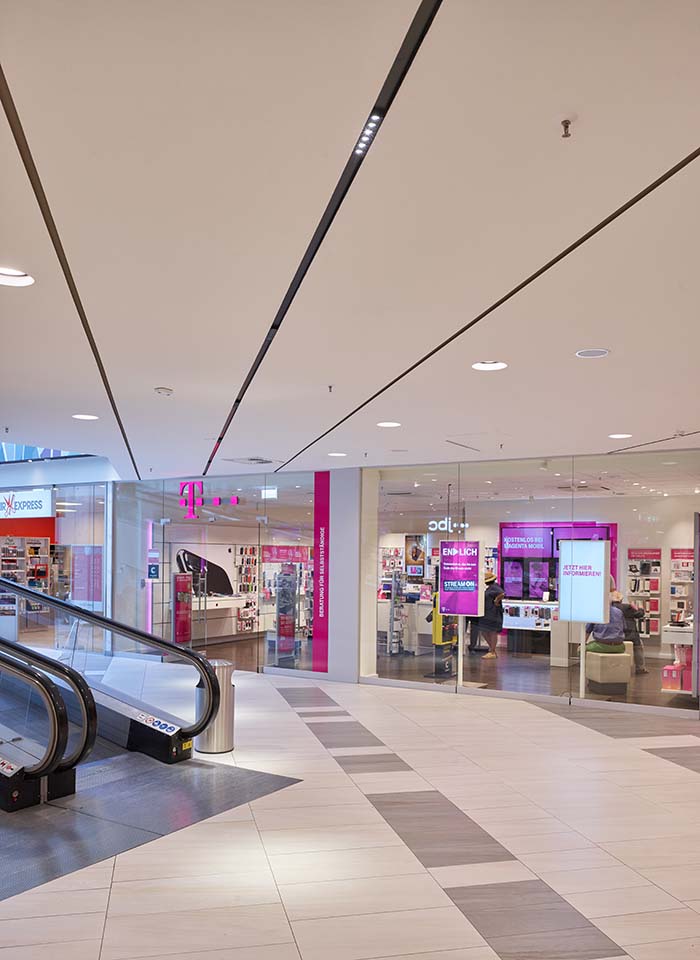
The lighting concept is based on energy-efficient LED technology with tunable white, four lighting moods are created by using luminous intensity and colour temperature. These moods are produced using day/night lights with a special Fresnel lens system, which distributes direct and indirect light to the optimum. Perfectly shielded lights are built into a streamlined LED strip system that is just 4 cm wide, so that accented light appears like patches of sunlight, which are only perceived unconsciously. An exterior sensor captures the natural light values; the controls operate according to an automatic programme.

QUALITY LEISURE SPACE

Additional mood spots provide light in the seating and display areas. Special pendant lights with metal grid shades, up to 4 m in diameter and 3 m in height, fill the mall visually and accentuate the welcoming character of the Löhr Centre.

Photos: Tom Gundelwein

LIGHT À LA CARTE

ATMOSPHERIC SETTING THAT CHANGES WITH THE SEASONS FOR JOHAN LAFER’S GOURMET RESTAURANT “LE VAL D’OR”

Star chef Johann Lafer runs the exclusive “Le Val d’Or” restaurant in the 1000-year-old “Stromburg” castle in the Hunsruck. As part of a new concept focussing on the seasons, a lighting plan was designed that would support the quarterly changes visually by using ‘lighting scores’ and video projections.

ILLUMINATION FOR FINE DINING

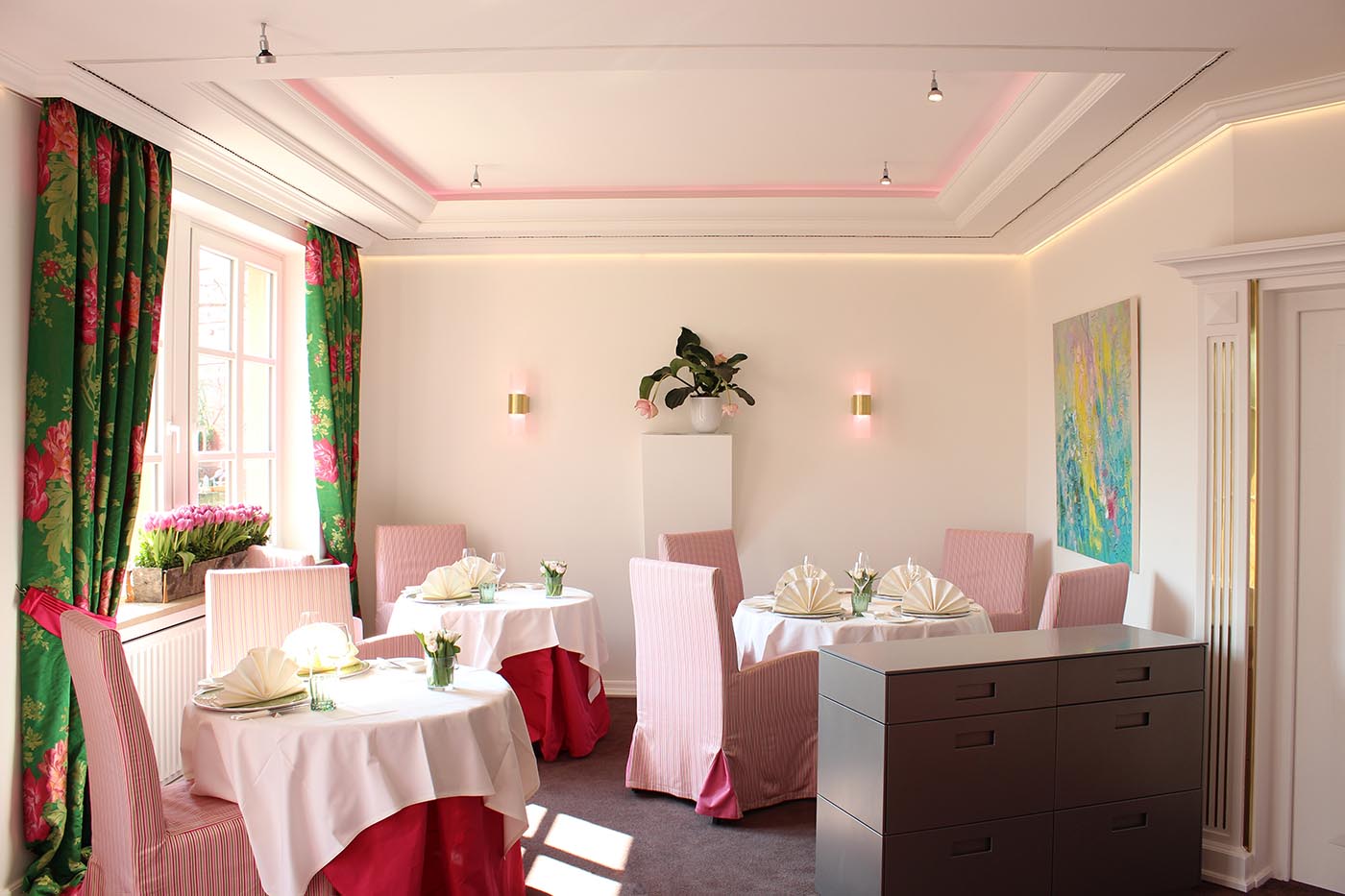
Johann Lafer welcomes lovers of gourmet cuisine to the “Val d’Or” restaurant. A native of the Austrian state of Styria, he sets store by regional and seasonal products and embraces this philosophy wholeheartedly. Guests experience this as they savour the culinary delights and enjoy their meal in surroundings where the interior design takes on the colours of spring, summer, autumn and winter. The role of the lighting is to create an atmospheric setting with changing coloured lighting schemes that provide visual accompaniment to the taste experience.

LIGHTS ON WITH PLUG & PLAY

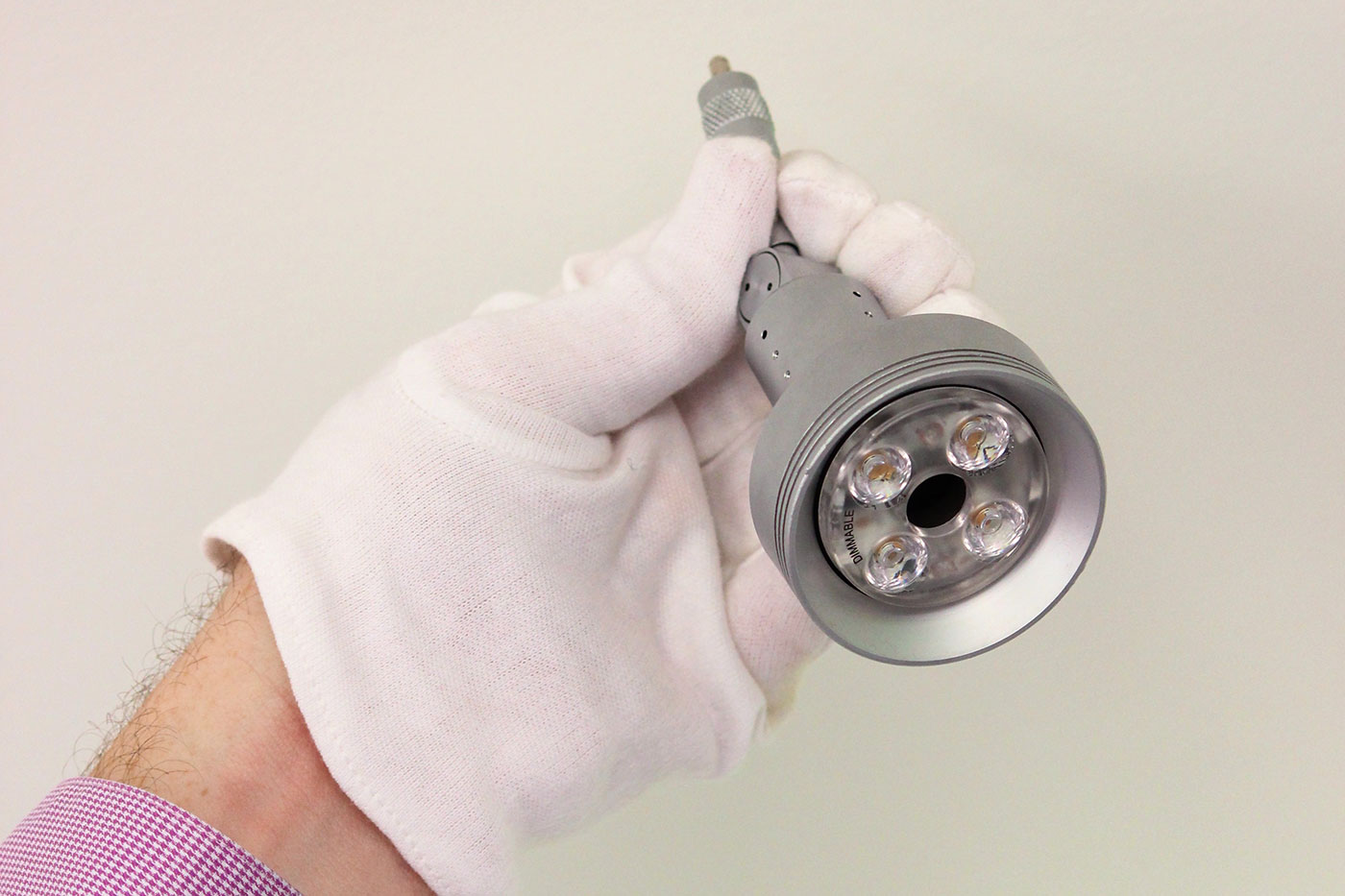
Swivelling ceiling spots ensure perfect illumination and faithful colour rendering for the food and drinks. They were designed as a bespoke light and provide flexible white lighting in the room and over the tables. The LED plugin spotlights, which can be dimmed and regulated, are installed as needed using miniature sockets in the ceiling. The connections are concealed by magnetic aluminium caps that match the colour of the ceiling.

SEASONAL PLAY OF COLOURS

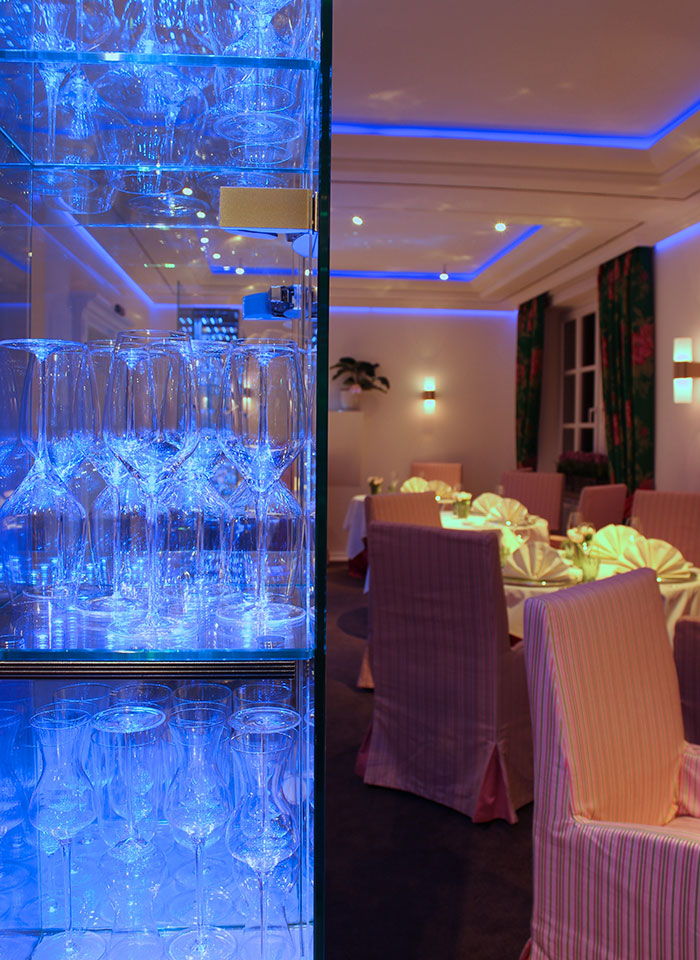
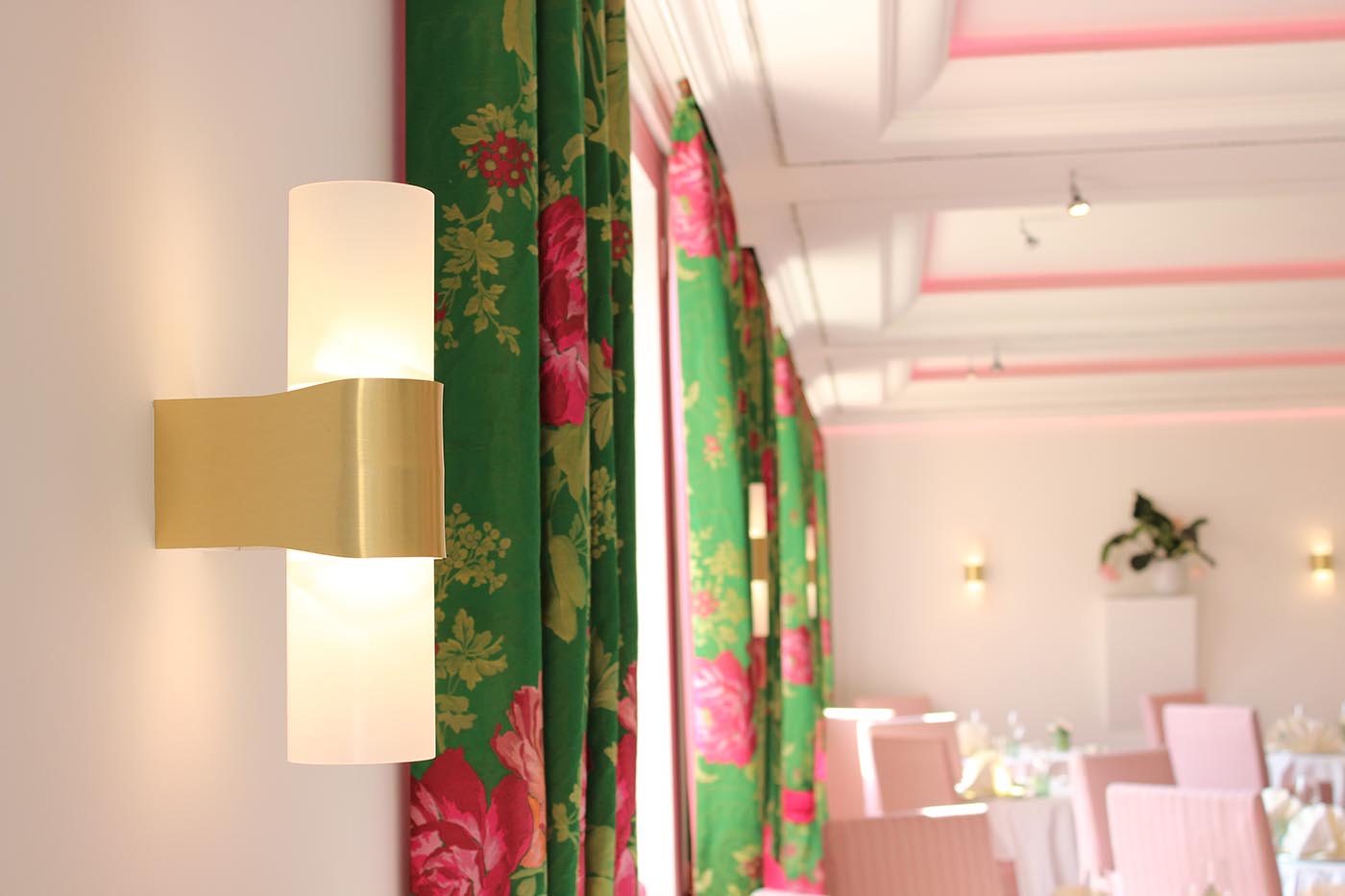
The changing coloured lighting operates with LED technology via cornices, wall and cabinet lights. The ceiling and wall surfaces in the restaurant are illuminated in a different colour depending on the season. Both the wall lamps and the 1cm-wide glass display cabinet lights are custom designs.

LIGHT CONJURES UP ASSOCIATIONS

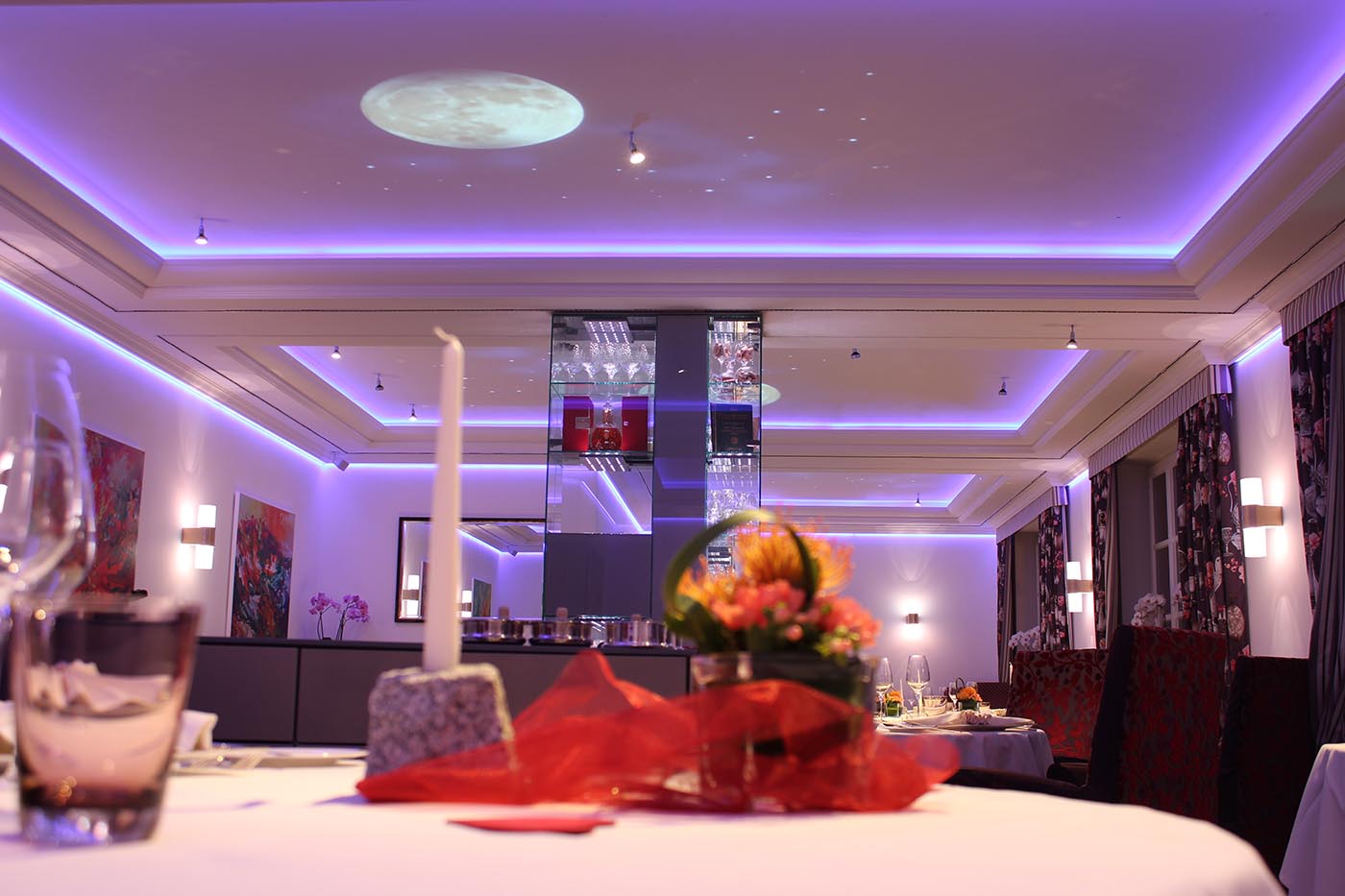
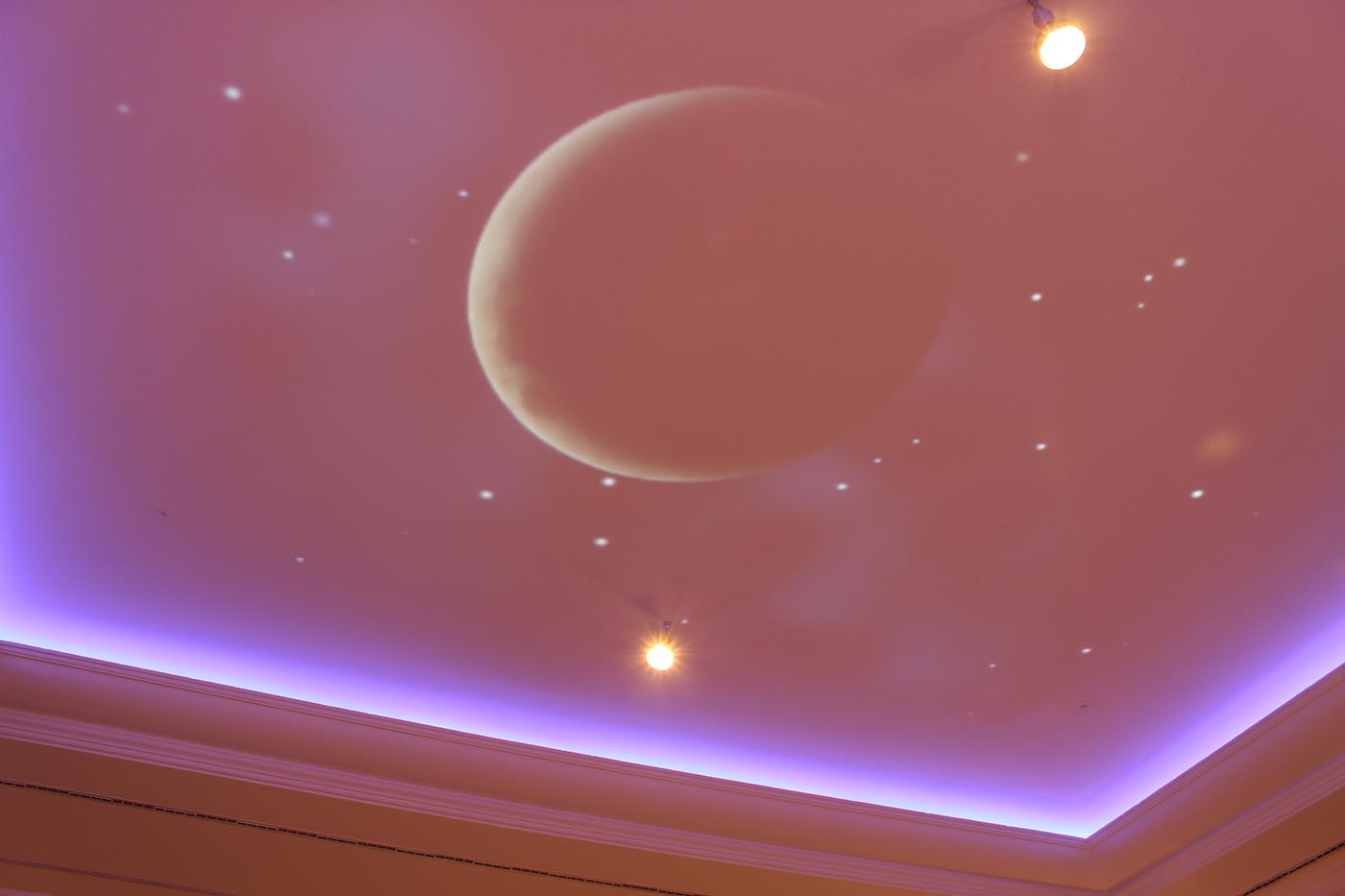
Projections on the ceiling complete the lighting design. They are activated in the evening and are generated via a data projector in the glass display cabinets. The seasons are depicted symbolically using colours and motifs: spring is pale green, pink and white, summer is red, black and white, autumn is rust-red, green and brown and winter is silver, black and white.

SUBTLE TRANSITION

The lighting schemes create an ambience for day and for night; the transition is gradual and is only perceived unconsciously. The white light from the wall lamps gives a cooler light of 5000 K in the daytime; in the evening the light is a warmer 2200 K. A special app is used to retrieve the four pre-set ‘lighting scores’ for the seasons and music; the brightness of the white and coloured light can be adjusted.

Fotos: Oliver & Tobias Link

MAGICAL LIGHTING EFFECTS IN THE ARCHED VAULTS

A multimedia lighting installation for the Ratskeller in Saarbrücken

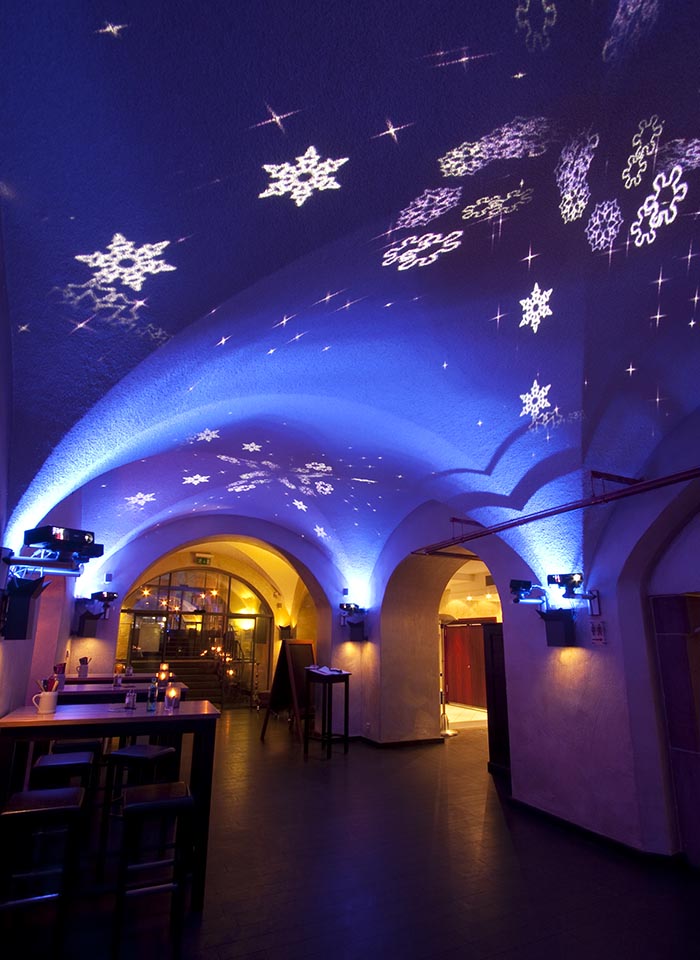
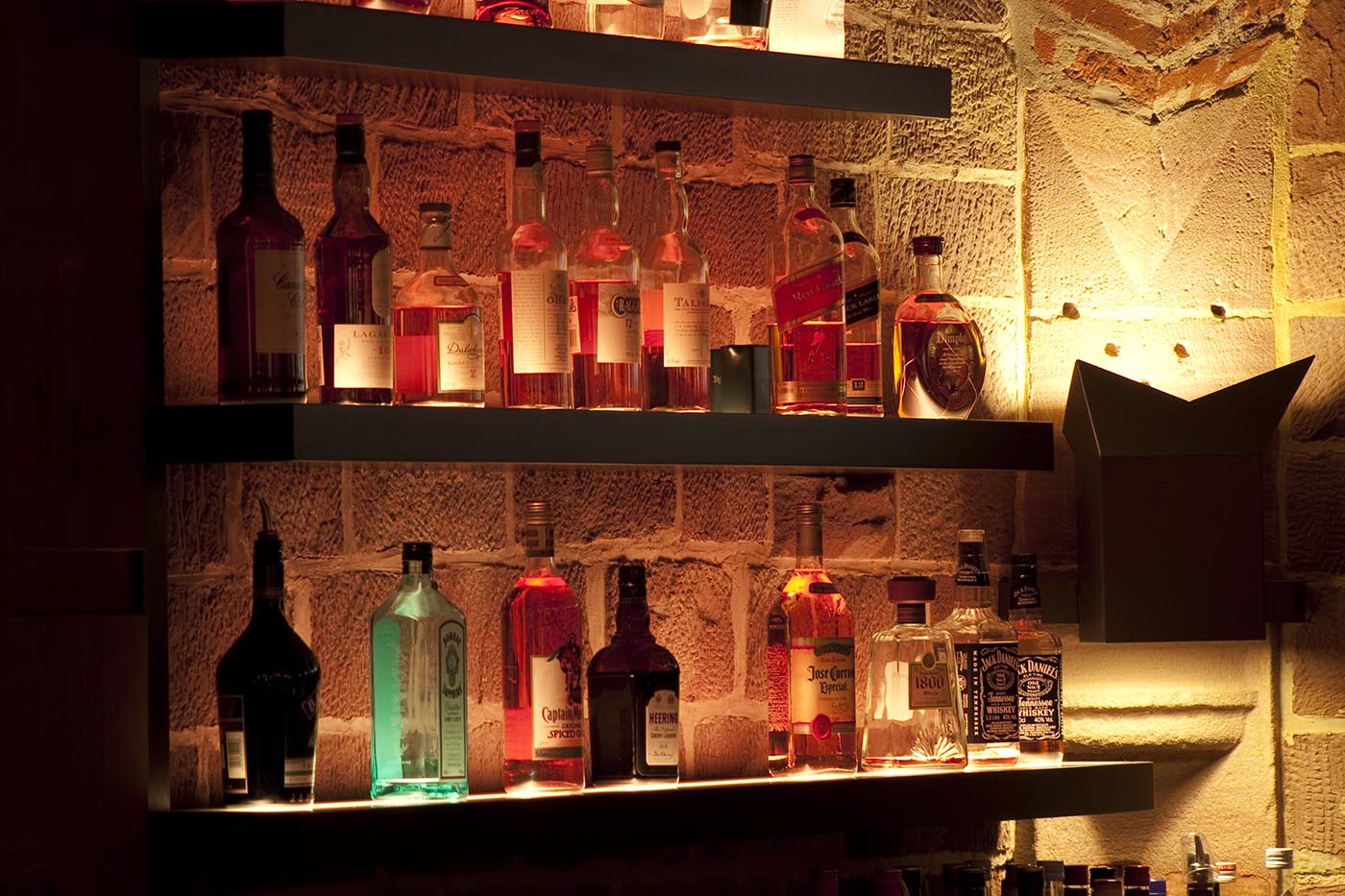
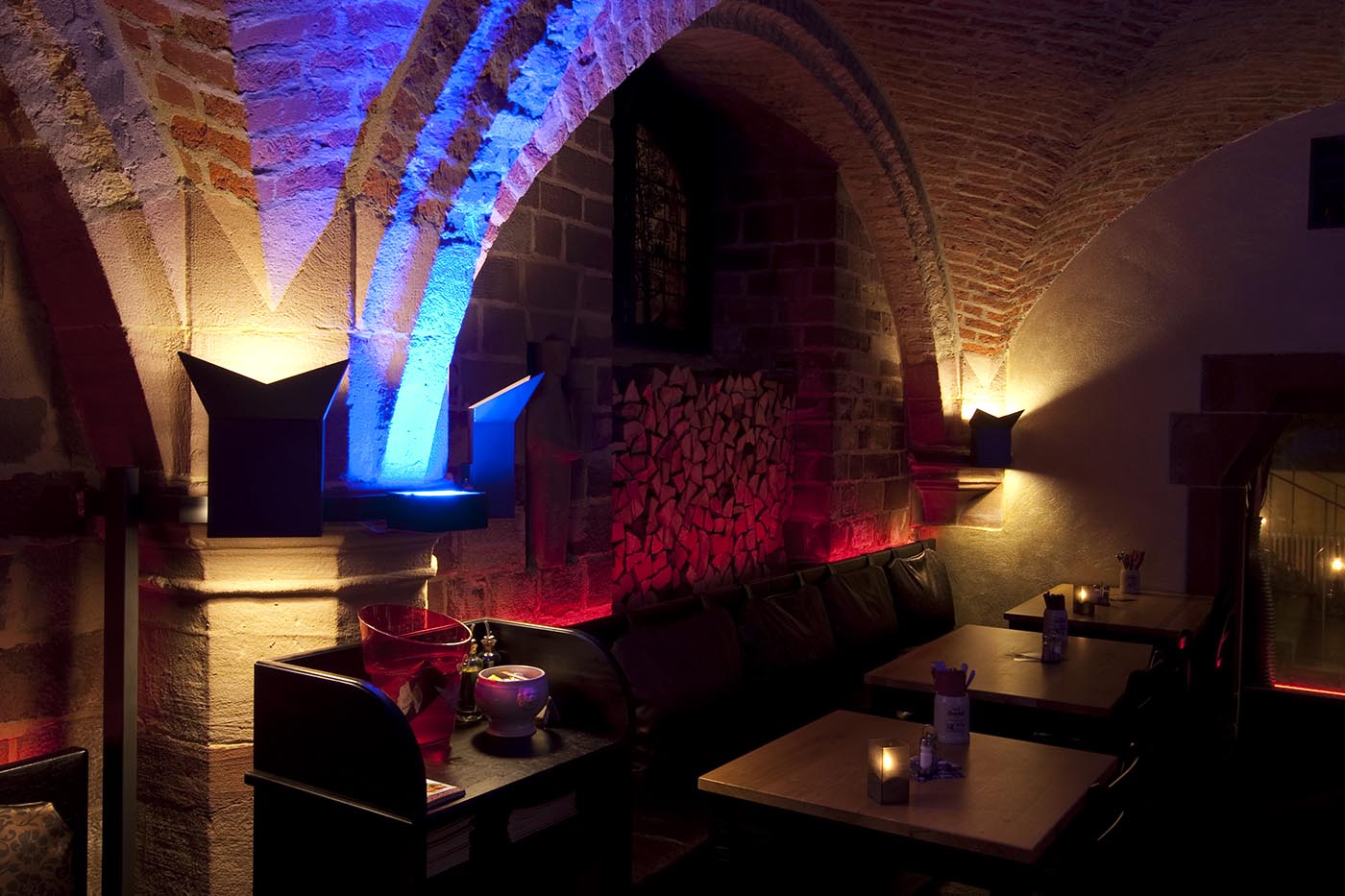
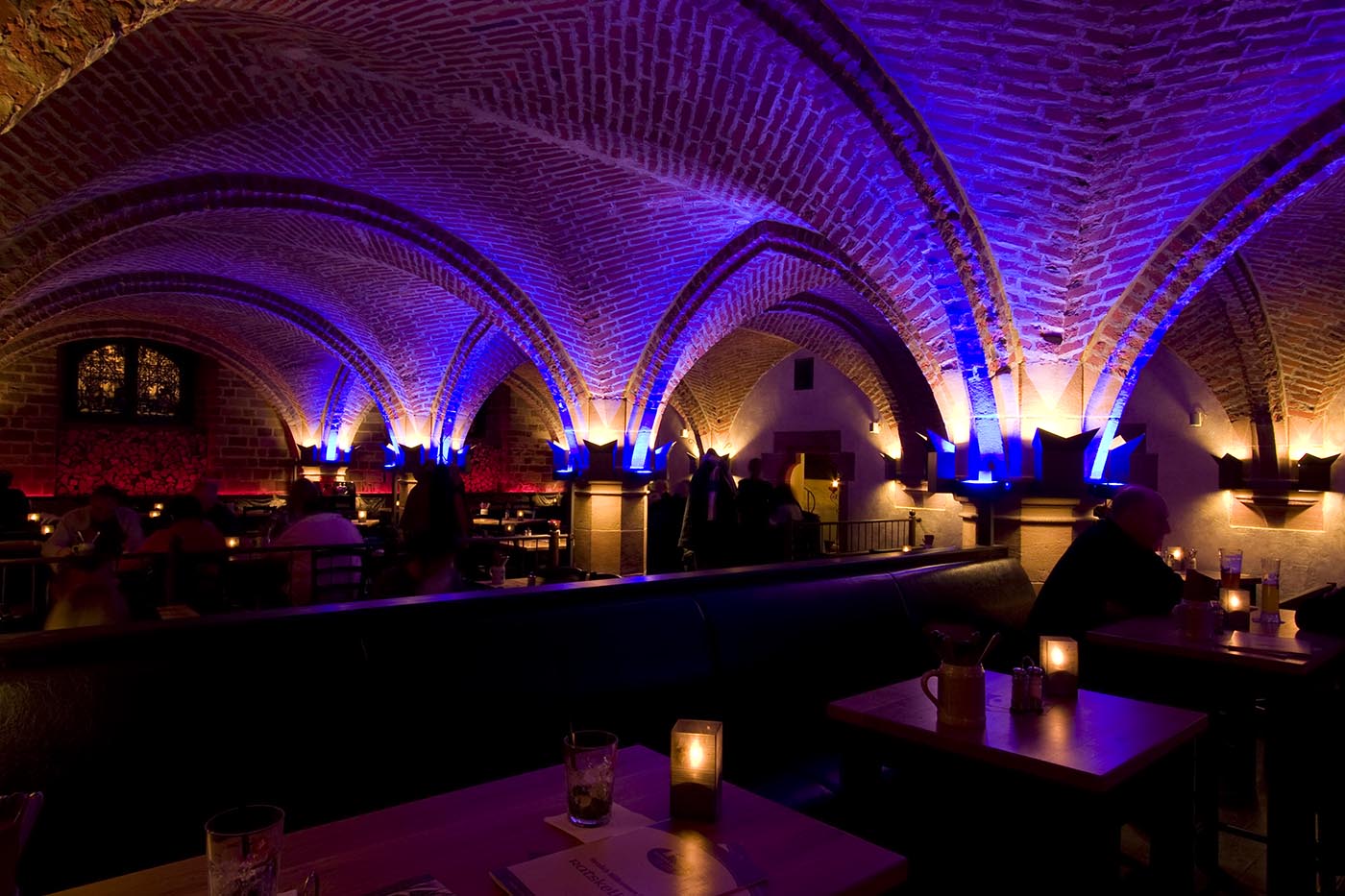
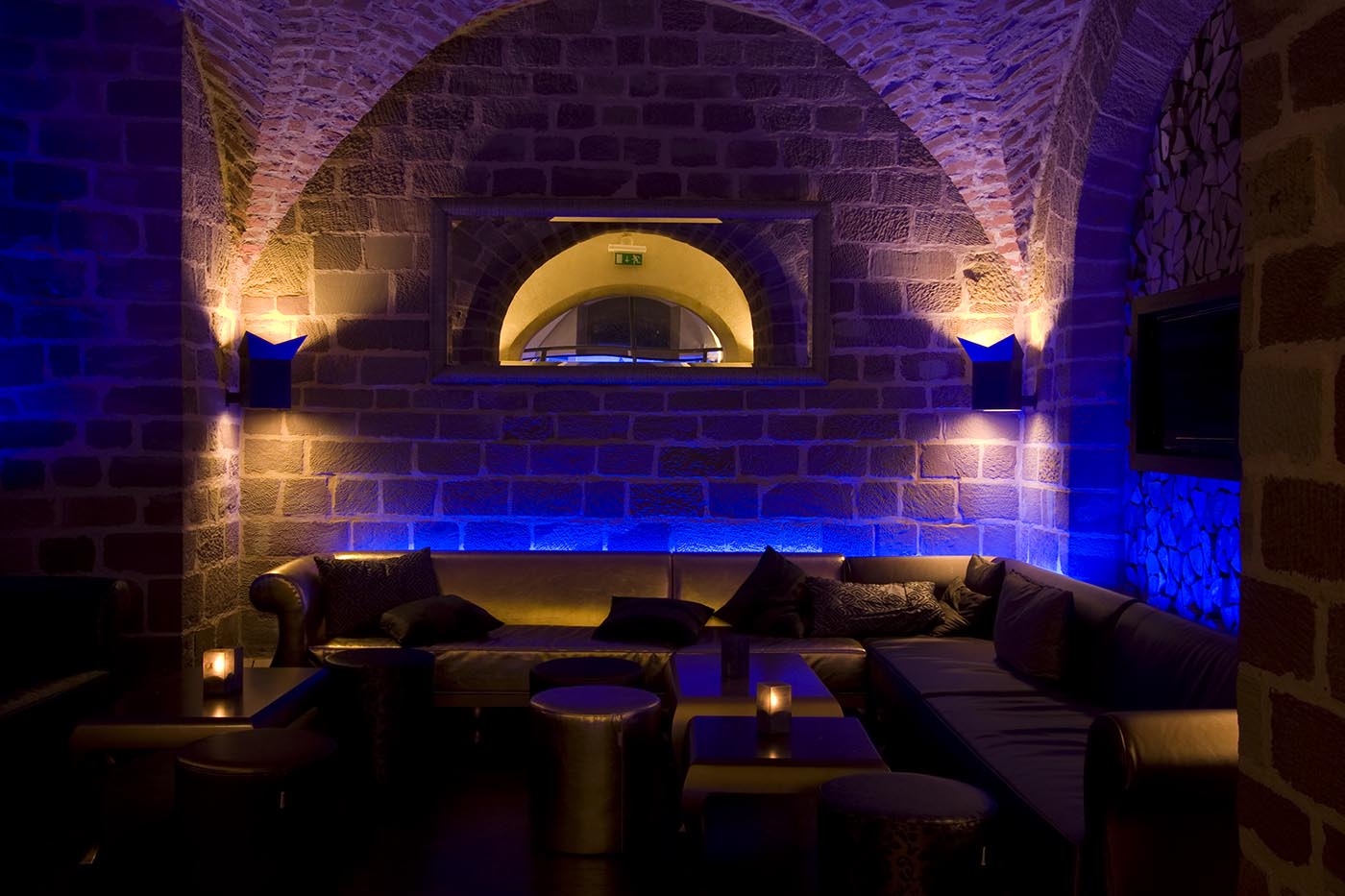
The Ratskeller in the heart of Saarbrücken is lent exceptional character with a centuries-old feature: a splendid vaulted cellar in natural stone masonry gives the restaurant a rustic and yet warm and cosy atmosphere. The rooms in the restaurant are designed to accommodate a wide range of uses: guests can enjoy a tipple at the bar or savour regional specialities in the seated area. The Ratskeller can also be booked for events and celebrations. 

A PLACE OF DISCOVERY AND MYRIAD COLOURS

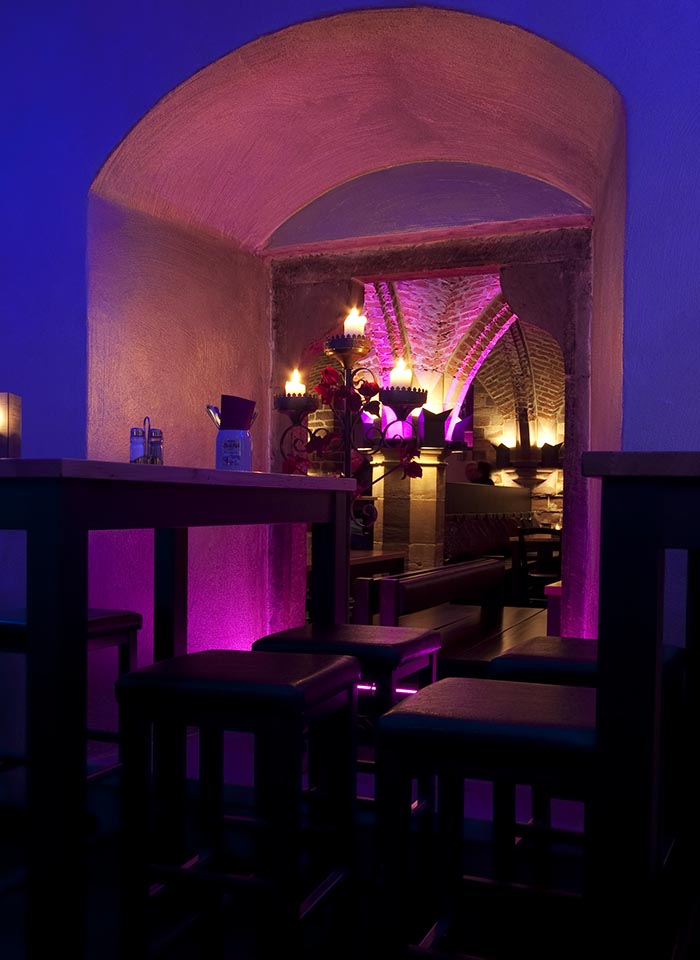
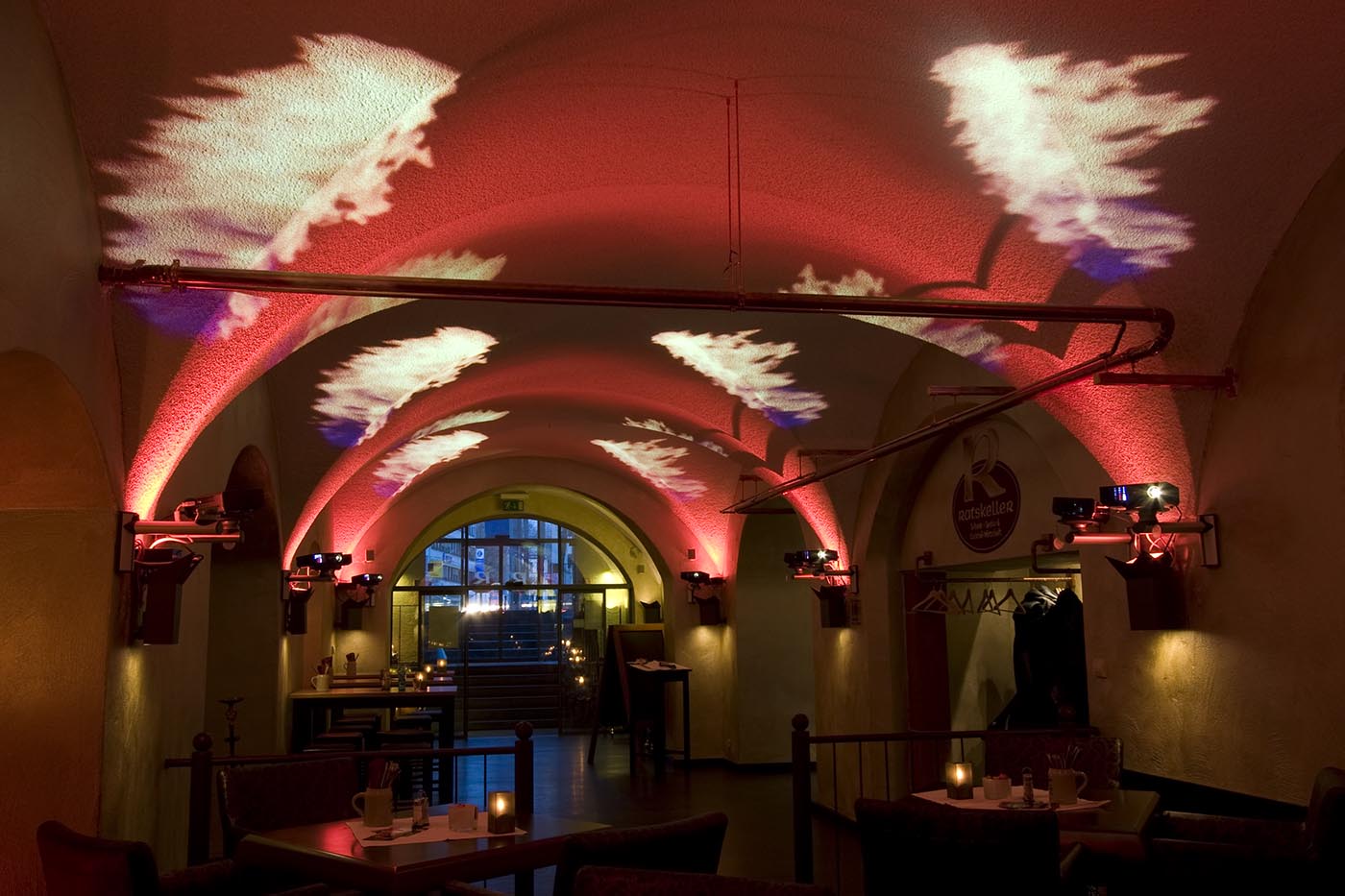
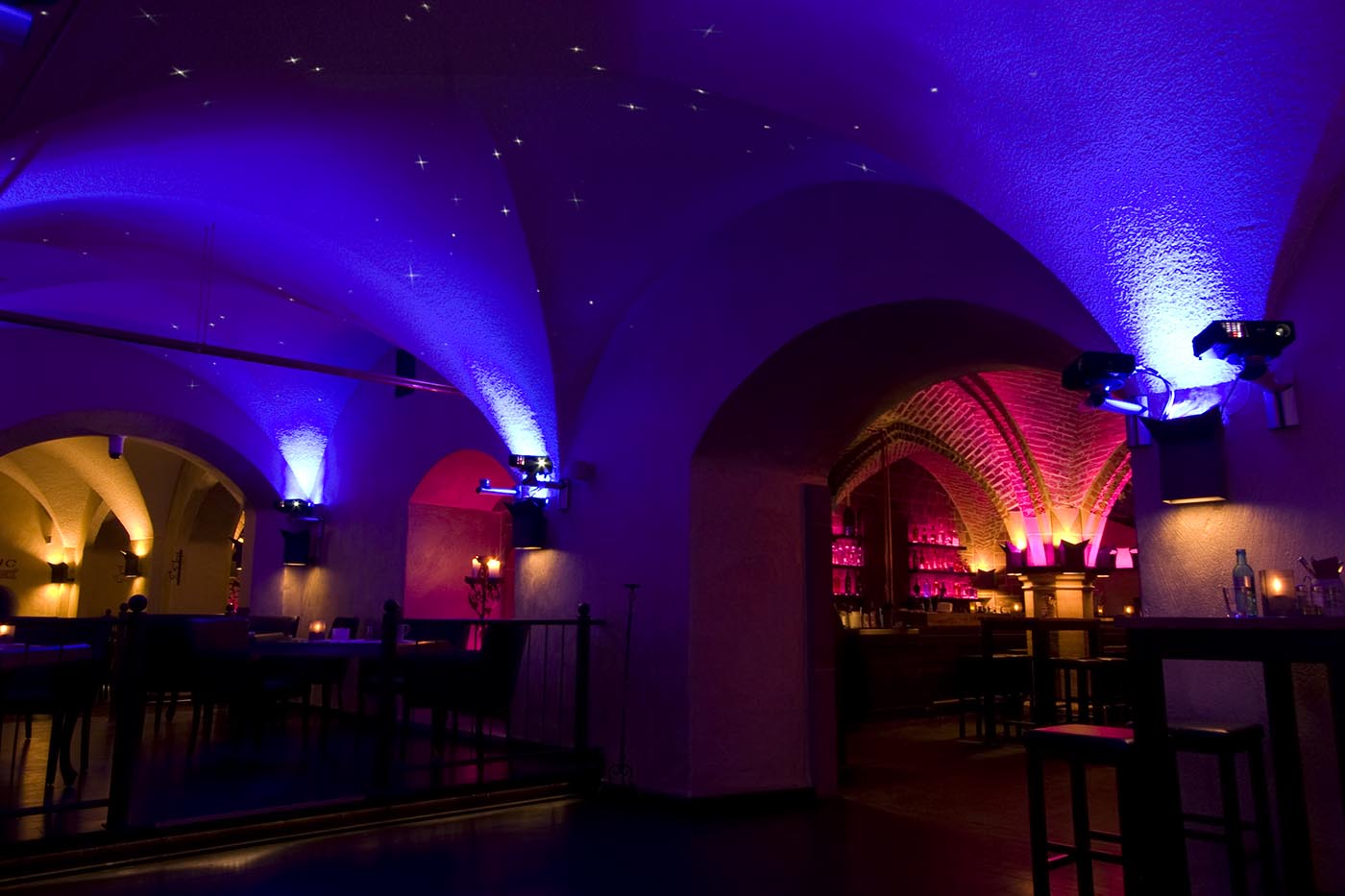
The lighting design needed to satisfy two main requirements in this case: achieve, on a low budget, illumination with eye-catching effects and also to comply with the regulations governing buildings of historic interest. A custom light was designed for this project using a manufacturer’s standard luminaire. Once produced in a smaller format, it conformed to the permitted size: the energy-saving lights from the original plan were replaced with high-power LEDs. These lights are installed on the ribs of the ceiling. They operate with three beam angles each, in order to trace the contours of the arches exactly. The changing colours constantly bathe the architecture in new light.

MODERN FRESCOES OF LIGHT

The vault ceiling has also been incorporated in the design. Twelve DLP projectors cast a variety of motifs onto the surface. They can change according to the season and the event: from a flickering open fire to typical Christmas decorations. Projections appear as free-floating individual images or in the form of patterns extending over the entire surface, which merge to create a unbroken image on the ceiling.

INVISIBLE TECHNOLOGY

The DLP projectors provide excellent contrast, enhanced by the short projection distance. The most complicated component involved was the control system. It works via an e;cue system; the video content required for the projections is saved here and runs automatically. A regular part of the evening programme is the “Ratskellerstunde”, a lighting composition created especially for this traditional venue and that has become a firm fixture over the years. Thanks to professional planning, the Ratskeller has achieved a lighting solution that lives from its individual design and yet remains affordable, even in constant operation.

Fotos: Oliver & Tobias Link